
Need Help

Lorem ipsum dolor sit amet, movet iisque luptatum per ut. Duo te sonet accusata sadipscing, mollis dissentiet an eam, te qui brute apis.




Contact Us
Follow Us
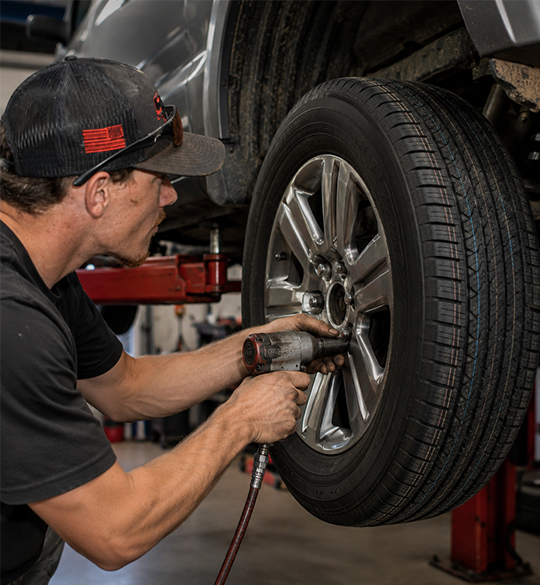
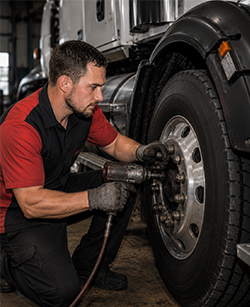
New Tire Installation Solutions for Passenger Vehicles, Trucks & Commercial Fleets
Tires create the only contact between an automobile and the road surface. Every turn, stop, acceleration, and lane change depends on healthy tread, proper inflation, and correct fitment. As rubber compounds age and tread depth decreases, handling characteristics gradually change, affecting traction, comfort, and overall driving confidence.
A professional New Tire Installation service helps restore stability, braking response, and ride quality through precise mounting, balancing, and inspection procedures. Replacing worn assemblies at the right time supports vehicle performance while reducing risks associated with poor road contact. Consistent attention to tire condition remains an important part of responsible vehicle ownership and long-term operating efficiency.
A professional New Tire Installation service helps restore stability, braking response, and ride quality through precise mounting, balancing, and inspection procedures. Replacing worn assemblies at the right time supports vehicle performance while reducing risks associated with poor road contact. Consistent attention to tire condition remains an important part of responsible vehicle ownership and long-term operating efficiency.
What Is Included in New Tire Installation?
New tire installation involves much more than placing replacement rubber onto existing wheels. The process includes several important steps designed to support safety, comfort, and dependable performance across different driving conditions.
A typical installation appointment may include
Wheel inspection
Removal of worn assemblies
Valve stem assessment
Mounting procedures
Dynamic balancing
Inflation adjustment
Final safety verification
Many drivers searching for a new tire installation service want reassurance that every component connected to wheel operation receives proper attention. Small details such as balancing accuracy and correct air pressure can influence handling quality, tread longevity, and ride smoothness.
Modern vehicles rely on precise engineering across suspension, steering, braking, and traction systems. Proper installation helps these interconnected components operate as intended while contributing to predictable vehicle behavior during everyday travel.
Modern vehicles rely on precise engineering across suspension, steering, braking, and traction systems. Proper installation helps these interconnected components operate as intended while contributing to predictable vehicle behavior during everyday travel.
Why Does Tire Condition Matter?
Tires absorb tremendous stress during normal operation. Heat, pavement friction, weather exposure, cornering forces, braking pressure, and debris impact gradually affect structural integrity. As wear accumulates, performance begins to decline.
Common consequences associated with worn tread include
Reduced grip
Longer stopping distances
Lower wet-weather traction
Increased hydroplaning risk
Less predictable handling
Higher vibration levels

How Does the Installation Process Improve Performance?
Proper installation creates a foundation for smooth operation. Precision balancing reduces unwanted vibration, while accurate mounting helps maintain even contact across the road surface.
Several performance benefits result from professional procedures:
Several performance benefits result from professional procedures:
- Smoother ride quality
- Improved steering precision
- Better braking consistency
- Enhanced road stability
- Reduced component stress
- More predictable vehicle control
Drivers often compare different Tire services while researching available options. Installation quality plays a significant role in long-term results because small imbalances can gradually influence tread wear and overall driving comfort.
Attention to detail during mounting and balancing allows vehicles to operate more consistently while assisting with the intended characteristics engineered into suspension and steering systems.
Attention to detail during mounting and balancing allows vehicles to operate more consistently while assisting with the intended characteristics engineered into suspension and steering systems.
What Signs Indicate New Tires May Be Needed?
Work trucks, delivery vans, contractor units, and security patrol fleets often accumulate mileage much faster than personal transportation. Regular oil change services allow businesses to schedule maintenance around operational demands rather than dealing with unexpected downtime.
A planned upkeep strategy can deliver several advantages
Increased fleet availability
Better fuel management
Longer equipment lifespan
More predictable operating budgets
Improved scheduling efficiency
Stronger asset utilization
Organized service records make budgeting, asset planning, and lifecycle management significantly easier across an entire fleet. Clear documentation creates accountability, simplifies audits, and provides valuable insights into operating trends across multiple units.
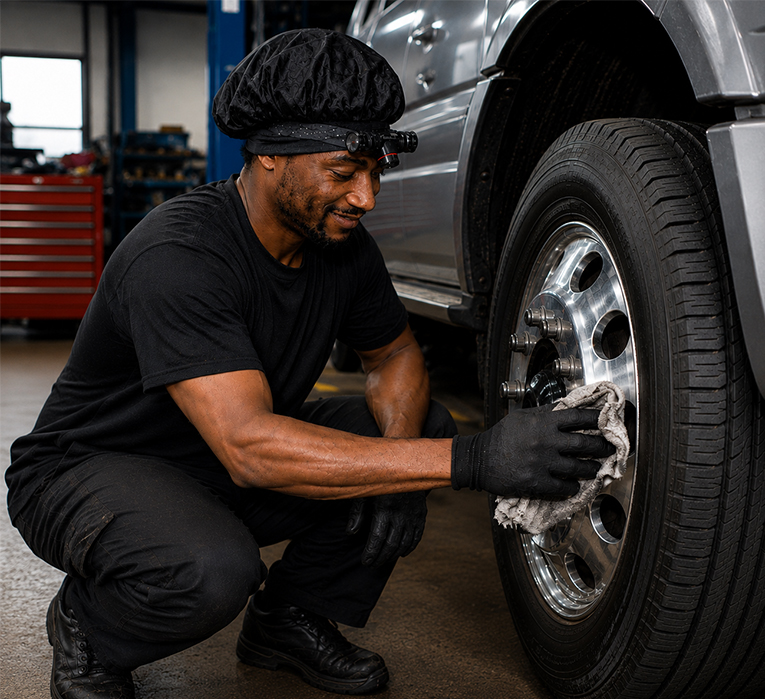
Who Benefits From Professional Tire Installation?
Ownership value is influenced by decisions made throughout the life of an automobile. Routine attention to essential systems contributes to stronger long-term performance and a more predictable driving experience. Regular automotive oil change contributes to smoother operation while preserving resale appeal.
Long term advantages include:
Long term advantages include:
- Extended engine life
- Improved fuel economy
- Better resale value
- Increased reliability
- Stronger maintenance records
- Reduced risk of major engine failure
Detailed records demonstrate responsible care and provide valuable documentation throughout the ownership journey. Regular oil and filter service contributes to lasting performance, greater long-term ownership value, and fewer unexpected expenses throughout the life of an automobile.
Restore Confidence With Professional New Tire Installation
Properly installed tires support better traction, smoother handling, and more predictable road performance. Timely replacement helps address worn tread, uneven wear patterns, and declining grip before they affect safety or driving comfort.
Drivers seeking reliable tire replacement or a dependable new tire installation service can benefit from professional installation procedures designed to support long-term performance and everyday reliability.
Schedule your tire installation appointment today and enjoy improved road contact, enhanced vehicle control, and a smoother driving experience.
Drivers seeking reliable tire replacement or a dependable new tire installation service can benefit from professional installation procedures designed to support long-term performance and everyday reliability.
Schedule your tire installation appointment today and enjoy improved road contact, enhanced vehicle control, and a smoother driving experience.
FAQs
1
What services does your tire shop offer?Our tire shop handles tire inspections, mounting, balancing, rotations, pressure checks, puncture repairs, and new tire installation service appointments. We also evaluate tread condition and recommend solutions that support safe and reliable driving.
2
What should I look for in a reliable Tire Shop?A reliable tire shop should have experienced technicians, quality products, proper installation equipment, and clear recommendations based on vehicle specifications. Honest inspections and professional service are also important when planning a tire replacement.
3
How long does new tire installation take? Most new tire installation service appointments take between 45 minutes and 90 minutes, depending on the vehicle and any additional services required. Wheel balancing and inspections may add a little more time.
4
How do I know when it is time for a tire replacement?Uneven tread wear, cracks, vibration, frequent air loss, and reduced traction are common signs that tires are reaching the end of their service life. A professional inspection can determine if a tire replacement is necessary.
5
How do I choose the right tires for my vehicle at your Tire Shop?The right tires depend on vehicle specifications, driving habits, load requirements, and road conditions. Our team helps match tire size and performance characteristics to your vehicle's needs for safe and efficient operation.
6
Is a wheel alignment necessary during a new tire installation service?Wheel alignment is often recommended during a new tire installation service, especially if uneven tread wear or steering issues are present. Proper alignment helps protect new tires and promotes even wear.
7
What type of tire services do you provide? We offer tire mounting, balancing, inspections, rotations, pressure checks, puncture repairs, and Affordable tire change services for many passenger and commercial vehicles. Each service is designed to improve tire performance and longevity.
8
Do you provide tire services for SUVs and trucks?Yes. Tire services are available for cars, SUVs, pickup trucks, and commercial vehicles. Our technicians install and service tires that meet the load and performance requirements of larger vehicles.
9
Do tire shops offer tire inspections before recommending replacement? Yes. Professional tire inspections usually include checking tread depth, sidewall condition, air pressure, and signs of irregular wear. Recommendations for tire replacement are based on the condition and safety of the existing tires.
10
What are the signs that I need immediate tire replacement?Immediate replacement may be necessary if you notice exposed cords, severe sidewall damage, large cracks, bulges, or extremely worn tread. Addressing these issues quickly helps reduce the risk of tire failure and improves driving safety.