
Need Help

Lorem ipsum dolor sit amet, movet iisque luptatum per ut. Duo te sonet accusata sadipscing, mollis dissentiet an eam, te qui brute apis.


Contact Us
Follow Us
Professional Vehicle Maintenance Services for Cars, Trucks & Fleets
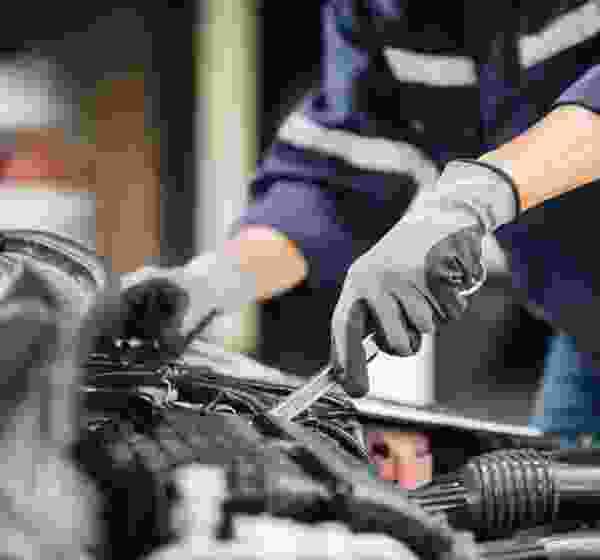
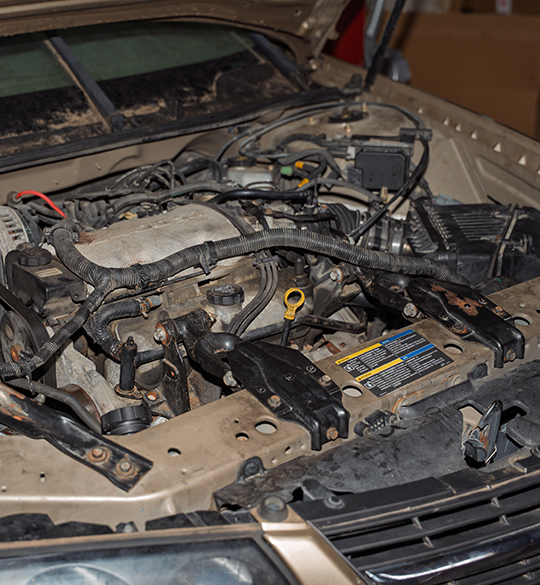
Every automobile depends on regular upkeep to remain dependable, efficient, and safe throughout its lifespan. Skipping scheduled inspections or delaying basic care often leads to reduced performance, increased fuel consumption, and unexpected repair expenses. A structured routine vehicle maintenance plan allows drivers and fleet managers to address minor concerns before they develop into larger mechanical issues.
Unlike reactive repairs that occur after a breakdown, preventive care focuses on preserving the health of critical systems through scheduled inspections, fluid checks, component evaluations, and manufacturer-recommended servicing. Professional vehicle maintenance services help improve reliability, support long-term ownership value, and reduce the likelihood of avoidable downtime. Whether managing a single automobile or multiple commercial units, staying current with scheduled upkeep remains one of the smartest investments a vehicle owner can make.
Unlike reactive repairs that occur after a breakdown, preventive care focuses on preserving the health of critical systems through scheduled inspections, fluid checks, component evaluations, and manufacturer-recommended servicing. Professional vehicle maintenance services help improve reliability, support long-term ownership value, and reduce the likelihood of avoidable downtime. Whether managing a single automobile or multiple commercial units, staying current with scheduled upkeep remains one of the smartest investments a vehicle owner can make.
What Is Included in Routine Vehicle Maintenance?
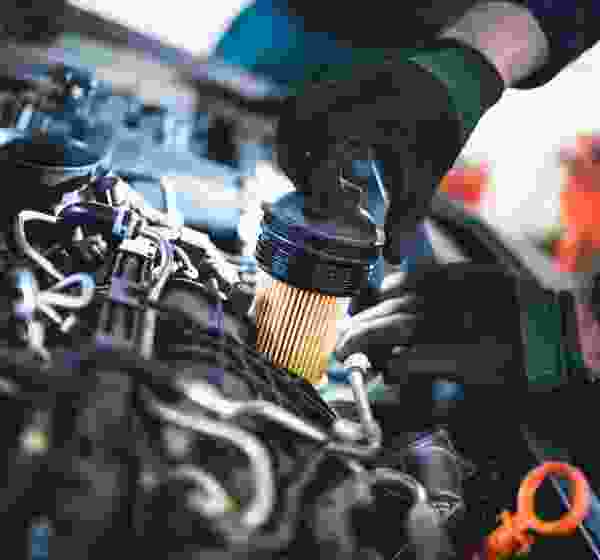
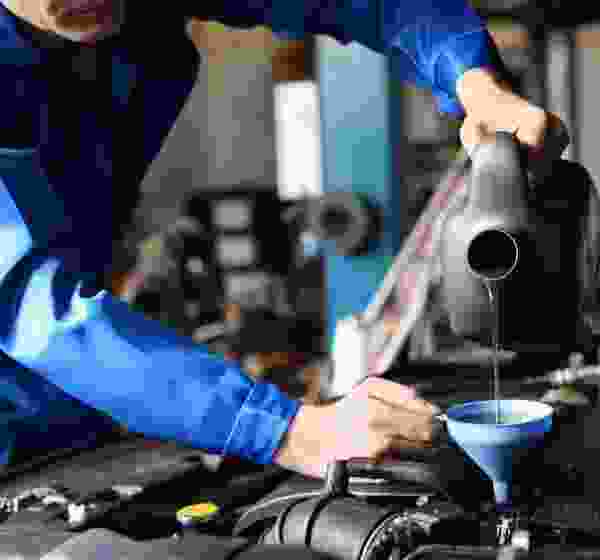
Vehicle maintenance refers to the routine inspection, servicing, and replacement of components that help keep a vehicle operating safely and efficiently. Common maintenance tasks include oil changes, brake inspections, tire rotations, battery testing, fluid checks, filter replacements, and manufacturer-recommended service intervals. A complete car maintenance service ensures these systems receive attention at the appropriate intervals.
A scheduled appointment may include
Tire pressure evaluation
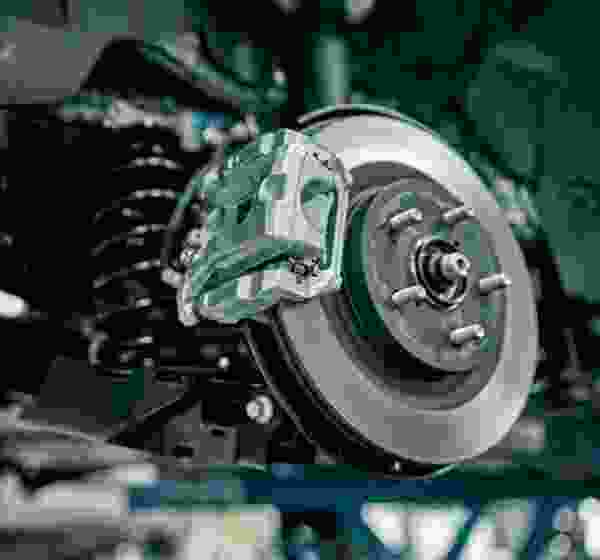
Brake system checks
Battery testing
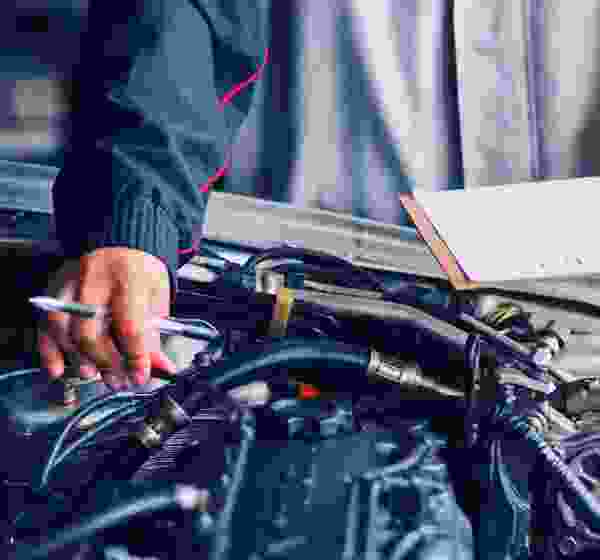
Belt and hose inspections
Air filter examination
Wiper blade assessment
Modern vehicles contain interconnected systems that work together every day. Timely attention to developing wear allows critical systems to remain dependable throughout changing driving conditions. Scheduled inspections also create a clearer picture of overall vehicle condition, allowing maintenance decisions to be made before small concerns become larger repairs. Many vehicle maintenance services are performed according to milestones established by manufacturers, helping owners stay aligned with recommended care schedules.
Why Preventive Maintenance Matters
Every mile places stress on belts, batteries, braking components, tires, and fluid systems, influencing overall performance. Heat cycles, road conditions, environmental exposure, and accumulated mileage contribute to ongoing wear across critical areas. Early evaluation makes it easier to correct developing issues before they affect drivability or safety. Small issues such as worn belts, aging batteries, declining fluid quality, or uneven tire wear can often be corrected quickly when discovered early.
Preventive care contributes to
Improved fuel economy
Better safety performance
Longer component lifespan
Reduced repair costs
Improved driving comfort
Greater reliability
Signs Your Vehicle May Be Due for Service
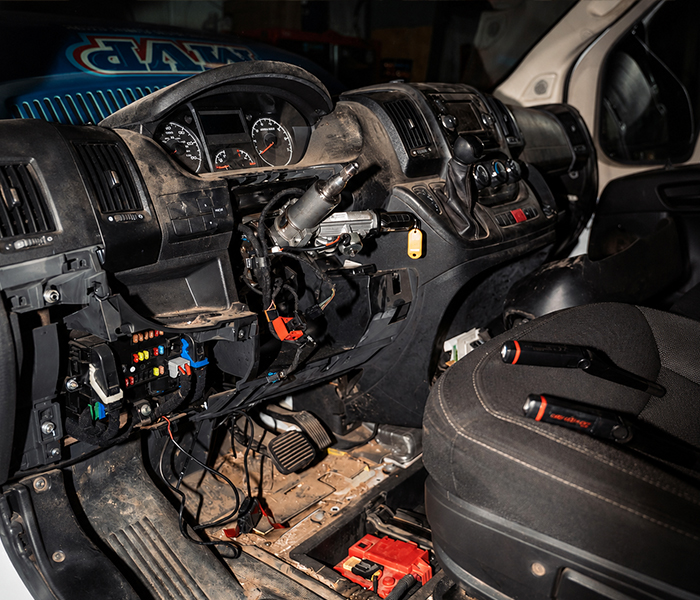
Not every maintenance issue triggers a dashboard warning. Many parts experience wear gradually, making routine inspections an important part of long-term vehicle care.
Common indicators include:
Common indicators include:
- Reduced fuel efficiency
- Unusual vibrations
- Delayed starting
- Brake noise
- Steering irregularities
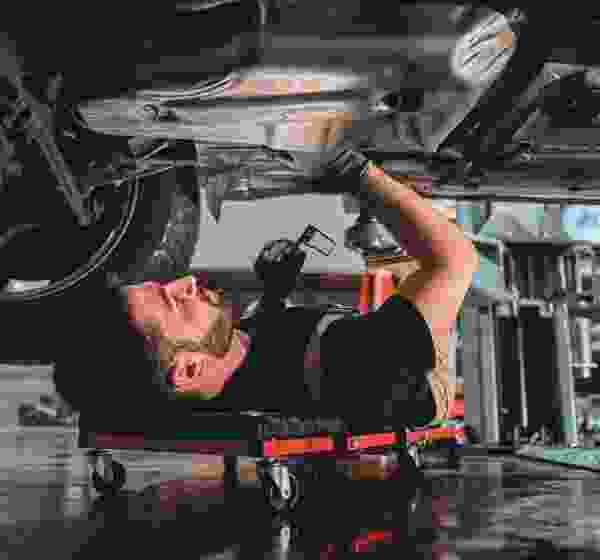
- Fluid spots beneath the vehicle
When these symptoms appear, scheduling a car maintenance service can help identify the underlying cause before it affects reliability or safety. Following recommended service intervals remains one of the most effective ways to avoid unnecessary repairs. Inspection frequency may vary according to driving habits, climate conditions, annual mileage, and operating demands. Demanding operating environments place additional stress on critical systems and may accelerate normal wear patterns.
Maintenance Solutions for Personal and Commercial Vehicles
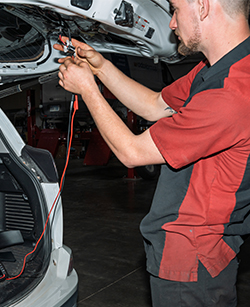
Daily commuting, commercial transportation, contractor operations, and delivery routes place different demands on vehicles. A maintenance strategy should reflect how the automobile is actually used. Businesses operating multiple units often rely on structured fleet vehicle maintenance programs to keep assets available and reduce downtime. Commercial vehicles typically accumulate mileage faster than personal transportation, making scheduled inspections even more important.
Benefits of organized fleet maintenance include
Increased availability
Better operational planning
Reduced repair interruptions
Improved fuel management
Longer asset lifespan
More predictable operating expenses
Organizations searching for reliable enterprise fleet maintenance providers often prioritize consistency, documentation, and proactive scheduling to keep operations running efficiently. Unexpected vehicle issues can affect scheduling, customer commitments, productivity, and overall operating expenses. Better planning data allows organizations to make informed decisions regarding scheduling, budgeting, and asset utilization.
Long-Term Value Through Scheduled Vehicle Care
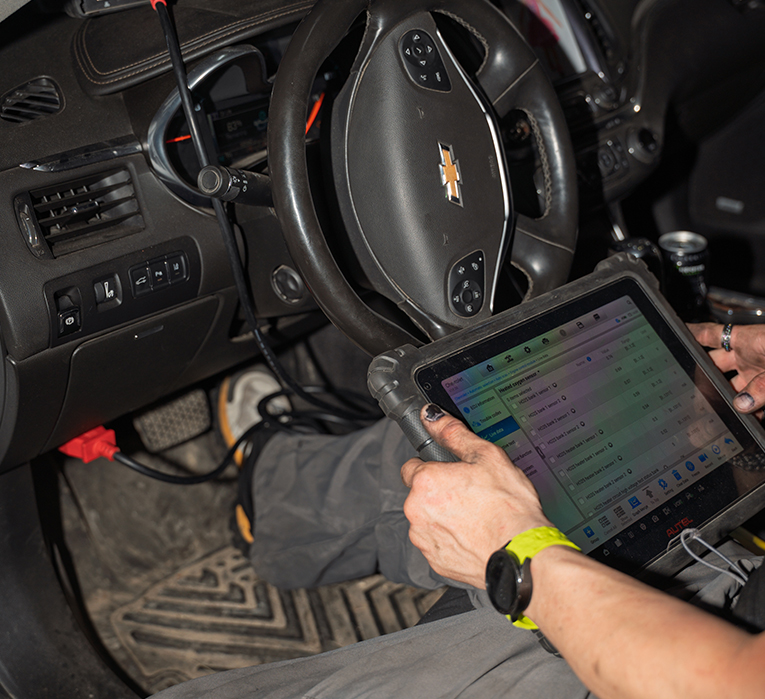
Ownership costs are heavily influenced by maintenance habits. Vehicles that receive routine inspections and manufacturer-recommended servicing typically retain stronger value over time than those with inconsistent care histories. Well-documented auto maintenance records demonstrate a history of responsible ownership while helping future buyers understand how an automobile has been maintained throughout its lifespan.
Long-term advantages include:
Long-term advantages include:
- Better resale potential
- Improved reliability
- Lower lifetime repair expenses
- Stronger system performance
- Greater driving confidence
- Extended operational lifespan
Drivers searching for dependable auto maintenance service solutions often find that regular upkeep delivers benefits that extend well beyond day-to-day performance. Many owners compare car maintenance cost against potential repair expenses and discover that preventive servicing is significantly more affordable over the long term.
Keep Your Vehicle Performing at Its Best
Routine inspections, scheduled servicing, and preventive care help reduce unexpected breakdowns while supporting long-term reliability. Whether you need ongoing routine vehicle maintenance, support for a commercial fleet, or a customized service schedule, timely attention can prevent costly repairs later.
Drivers looking for dependable vehicle maintenance services, a trusted car maintenance service, or long-term maintenance planning can benefit from proactive care designed to keep vehicles operating efficiently.
Drivers looking for dependable vehicle maintenance services, a trusted car maintenance service, or long-term maintenance planning can benefit from proactive care designed to keep vehicles operating efficiently.
FAQs
1
What is routine vehicle maintenance and why is it important?Routine vehicle maintenance includes scheduled services such as oil changes, brake inspections, and fluid checks. Regular maintenance helps prevent breakdowns, improves reliability, and extends the life of major components.
2
What is included in a routine vehicle maintenance service?A maintenance service may include an oil change, brake inspection, battery testing, tire evaluation, fluid checks, and filter inspections. The exact services depend on the vehicle's age and maintenance schedule.
3
How often should I schedule routine vehicle maintenance?Service intervals vary by vehicle and driving conditions. Many owners follow manufacturer recommendations and schedule maintenance every few thousand miles or at specific time intervals.
4
What types of vehicle maintenance can be done with a mobile service?Mobile services can often perform oil changes, battery replacements, filter changes, fluid inspections, and basic diagnostics. Major repairs may still require a repair facility.
5
Are car maintenance packages worth it compared to paying per service?Maintenance packages can simplify scheduling and help with budgeting. They may be beneficial for drivers who regularly follow preventive maintenance recommendations.
6
What is included in a full car maintenance service?A full maintenance service often includes an oil change, brake inspection, fluid checks, battery testing, tire evaluation, and steering and suspension inspections.
7
What is fleet vehicle maintenance and how does it differ from standard servicing?Fleet maintenance manages inspections and repairs across multiple vehicles. It focuses on reducing downtime, tracking service history, and maintaining vehicle availability.
8
How can fleet vehicle maintenance reduce our company's operating costs?Preventive maintenance helps reduce emergency repairs, minimize downtime, improve budgeting, and extend the lifespan of vehicle components.
9
How often should I perform routine vehicle maintenance on my personal car?Personal vehicles should follow the maintenance intervals recommended by the manufacturer. Heavy traffic, towing, and extreme temperatures may require more frequent service.
10
Is car maintenance service different from car repair?Yes. Maintenance involves preventive services like oil changes and inspections, while repairs fix components that have already failed or worn out. Regular maintenance can help reduce unexpected repair costs.