Need Help

Lorem ipsum dolor sit amet, movet iisque luptatum per ut. Duo te sonet accusata sadipscing, mollis dissentiet an eam, te qui brute apis.





Contact Us
Follow Us
Keeping Commercial Vehicles Productive Through Structured Fleet Care
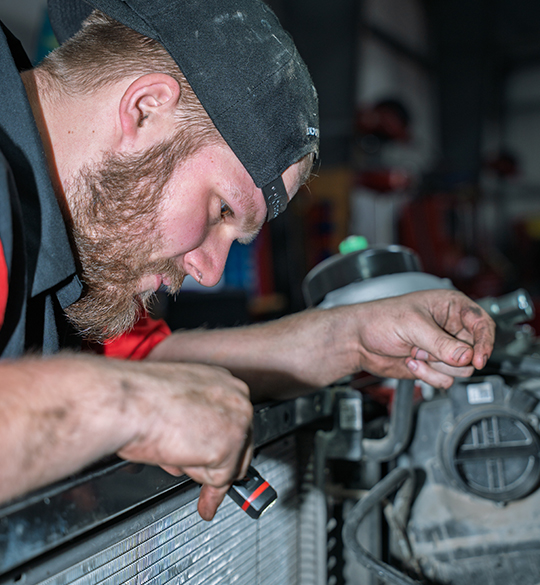
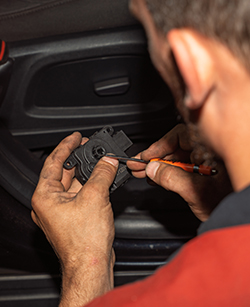
Businesses depend on transportation assets to maintain schedules, complete deliveries, support field operations, and serve customers efficiently. Every vehicle within a fleet contributes directly to productivity, business continuity, and overall business performance. When maintenance is delayed, even a single breakdown can create scheduling disruptions, missed appointments, increased expenses, and customer service challenges.
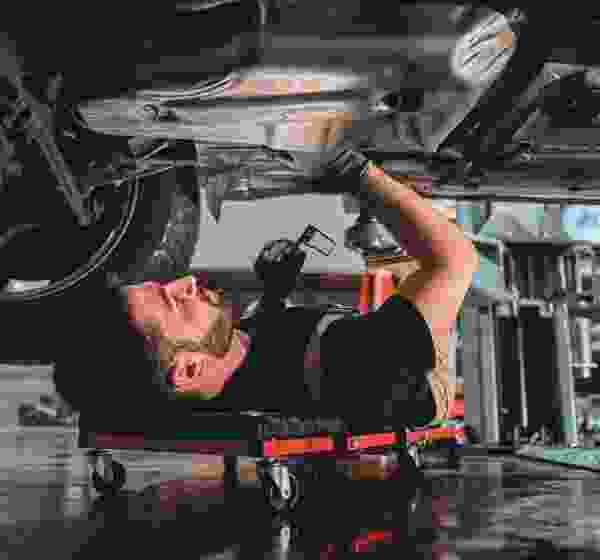
Professional automotive fleet services help organizations manage vehicle health through scheduled inspections, preventive servicing, diagnostics, repairs, and long-term maintenance scheduling. Instead of reacting to unexpected failures, fleet operators can follow a structured approach that reduces downtime and improves reliability across multiple units. Many businesses searching for dependable fleet services are looking for solutions that support vehicle availability while helping control operating costs throughout the lifespan of each asset.
Professional automotive fleet services help organizations manage vehicle health through scheduled inspections, preventive servicing, diagnostics, repairs, and long-term maintenance scheduling. Instead of reacting to unexpected failures, fleet operators can follow a structured approach that reduces downtime and improves reliability across multiple units. Many businesses searching for dependable fleet services are looking for solutions that support vehicle availability while helping control operating costs throughout the lifespan of each asset.
What Is Included in a Fleet Service Program?
A comprehensive fleet program combines preventive maintenance, inspections, diagnostics, and service scheduling into a coordinated vehicle management strategy.
Typical services may include
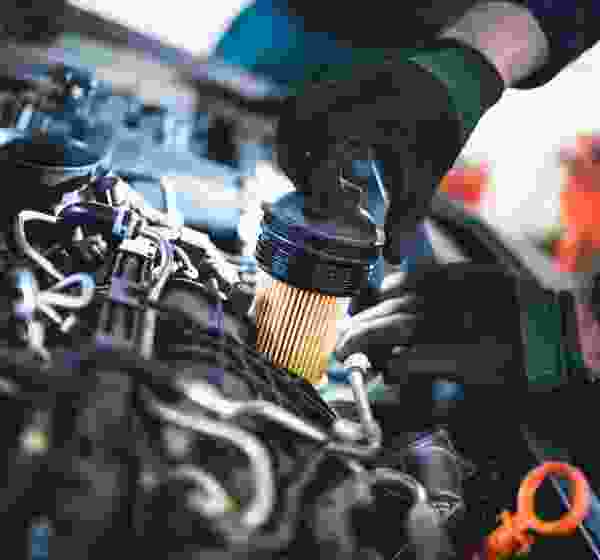
Oil and filter changes
Tire inspections
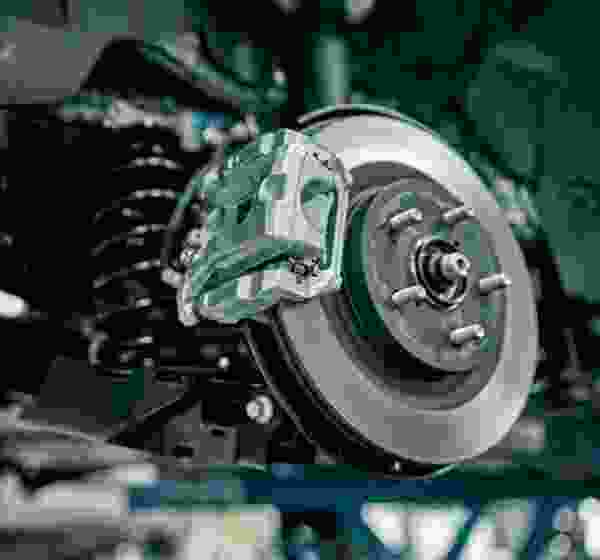
Brake evaluations
Battery testing
Cooling system reviews
Fluid level checks
Suspension assessments
Diagnostic scanning
A properly managed fleet maintenance program creates consistency across every unit while helping managers track service intervals and maintenance history. Many organizations also schedule fleet repair services alongside routine inspections to address developing concerns early. This structured approach helps maintain safety, efficiency, and vehicle readiness throughout the year.
Why Preventive Fleet Maintenance Matters
Commercial vehicles often accumulate mileage significantly faster than personal transportation. Delivery routes, contractor travel, service calls, and daily business operations place constant demands on mechanical systems. A proactive fleet maintenance strategy helps identify wear before it develops into costly downtime.
Common factors affecting fleet reliability include
High annual mileage
Frequent stop-and-go driving
Heavy payload transportation
Extended idling
Repetitive route schedules
Harsh operating environments
How Fleet Repair and Maintenance Improve Workflow Efficiency
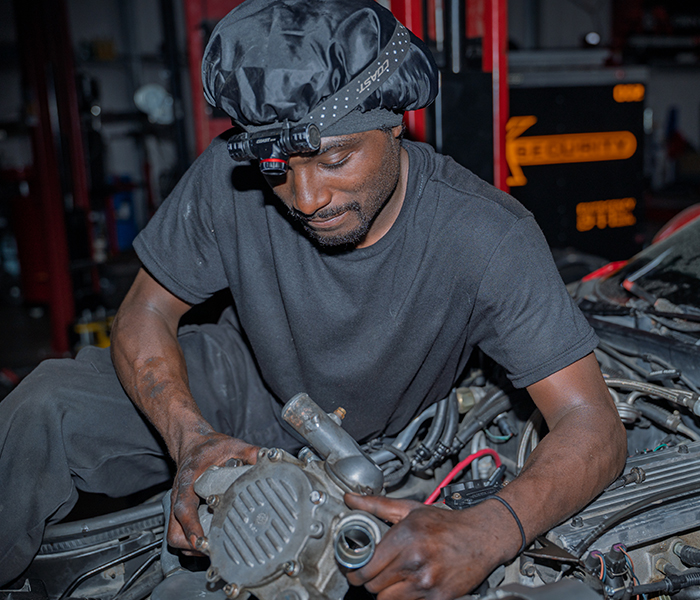
Vehicle availability plays a significant role in daily business performance. Delays caused by unexpected breakdowns can affect customer commitments, employee productivity, route completion, and revenue generation. A coordinated fleet maintenance and repair strategy helps reduce these risks through planned servicing and scheduled inspections.
Business benefits may include:
Business benefits may include:
- Increased asset readiness
- Reduced emergency repairs
- Improved route reliability
- Fewer service disruptions
- Stronger asset longevity
- More predictable budgeting
Many businesses integrate scheduled service coordination into broader business management systems to support scheduling accuracy and resource allocation. Addressing concerns before failure occurs often creates greater financial stability than reacting to unexpected breakdowns.
Supporting Commercial Growth Through Fleet Management Strategies
Vehicle maintenance involves more than repairing worn components. Effective fleet management requires visibility into service history, operating costs, inspection schedules, and long-term asset performance. A structured fleet management maintenance strategy helps organizations make informed decisions regarding replacement cycles, budgeting, utilization trends, and resource allocation. Businesses frequently work alongside experienced automotive specialists to evaluate maintenance needs and create servicing schedules aligned with service demands.
Benefits may include
Better asset forecasting
Improved cost forecasting
Enhanced compliance tracking
More accurate service records
Stronger fleet visibility
Improved decision-making
Many organizations evaluating fleet maintenance management companies seek support that combines preventive care, repair coordination, and long-term vehicle oversight within a unified management framework.
Choosing the Right Fleet Maintenance Partner
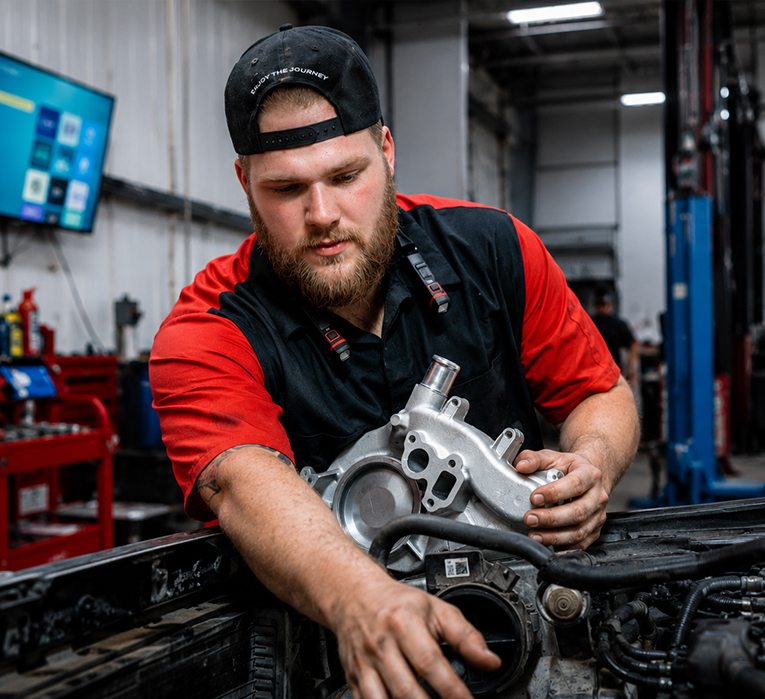
Commercial fleets vary widely in size, operating conditions, and service requirements. Delivery companies, contractors, transportation providers, service organizations, and trade professionals all face different maintenance challenges.
Businesses researching automotive fleet services often look for providers capable of supporting inspections, diagnostics, preventive servicing, and repair coordination under one maintenance program. Companies searching online for fleet vehicle maintenance, auto fleet maintenance, or dependable auto repair fleet services typically prioritize reliability, communication, service documentation, and long-term ownership value.
Important considerations often include:
Businesses researching automotive fleet services often look for providers capable of supporting inspections, diagnostics, preventive servicing, and repair coordination under one maintenance program. Companies searching online for fleet vehicle maintenance, auto fleet maintenance, or dependable auto repair fleet services typically prioritize reliability, communication, service documentation, and long-term ownership value.
Important considerations often include:
- Maintenance scheduling
- Service documentation
- Diagnostic capabilities
- Repair turnaround time
- Vehicle tracking records
- Preventive maintenance planning
Selecting the right maintenance partner creates greater consistency across the entire fleet while supporting reliability, scheduling efficiency, and long-term asset performance.
Keep Your Fleet Ready for Every Workday
Even a single unplanned breakdown can disrupt schedules, delay service calls, and increase operating expenses across an entire fleet. Consistent inspections, preventive servicing, and planned repairs help reduce disruptions while supporting long-term reliability across every unit.
A proactive service framework creates greater visibility into vehicle health, allowing businesses to make informed decisions before minor concerns become costly business disruptions.
A proactive service framework creates greater visibility into vehicle health, allowing businesses to make informed decisions before minor concerns become costly business disruptions.
FAQs
1
What is a fleet service, and why does my business need it?Fleet service is a maintenance program designed for business vehicles. It helps reduce breakdowns, improve reliability, minimize downtime, and keep vehicles ready for daily operations.
2
What does automotive fleet service include?Fleet service may include oil changes, brake repairs, tire service, battery replacement, diagnostics, suspension repairs, and multi-point inspections. Some programs also include maintenance tracking and scheduling.
3
How often should commercial vehicles receive fleet maintenance and repair services?Service intervals depend on mileage, vehicle type, and operating conditions. High-mileage and heavy-duty vehicles often require more frequent inspections and maintenance.
4
What are the top benefits of professional fleet maintenance services?Fleet maintenance improves reliability, reduces repair costs, minimizes downtime, extends component life, and helps improve business productivity and driver safety.
5
How do I choose the right fleet maintenance and repair provider?Choose a provider with commercial vehicle experience, strong diagnostic capabilities, quality repairs, maintenance tracking, and efficient scheduling support.
6
Can fleet maintenance services be customized for different vehicle types?Yes. Maintenance plans can be tailored for cars, vans, trucks, utility vehicles, and electric vehicles based on their operating requirements and service needs.
7
How does fleet vehicle maintenance improve driver safety?Routine maintenance helps identify brake, tire, steering, and suspension issues before they become safety hazards. Properly maintained vehicles are safer and more dependable.
8
Are fleet maintenance services available for electric vehicles (EVs)?Yes. EV fleet maintenance may include battery inspections, charging system checks, brake service, tire maintenance, and software updates to support long-term reliability.
9
How can fleet maintenance services help with regulatory compliance?Regular maintenance helps maintain service records, prepare for inspections, address safety concerns, and reduce the risk of compliance violations.
10
What is the difference between fleet maintenance and fleet repair?Fleet maintenance focuses on preventive services like inspections and fluid changes. Fleet repair addresses components that have already failed, such as brakes, engines, or electrical systems.