
Need Help

Lorem ipsum dolor sit amet, movet iisque luptatum per ut. Duo te sonet accusata sadipscing, mollis dissentiet an eam, te qui brute apis.








Contact Us
Follow Us

Reliable Starting Power Through Professional Battery Care
A vehicle depends on a healthy battery every time the ignition is activated. From powering the starter motor to supporting onboard electronics, this component plays a critical role in daily operation. As batteries age, their ability to hold and deliver power gradually declines, increasing the likelihood of slow starts, electrical issues, or complete failure.
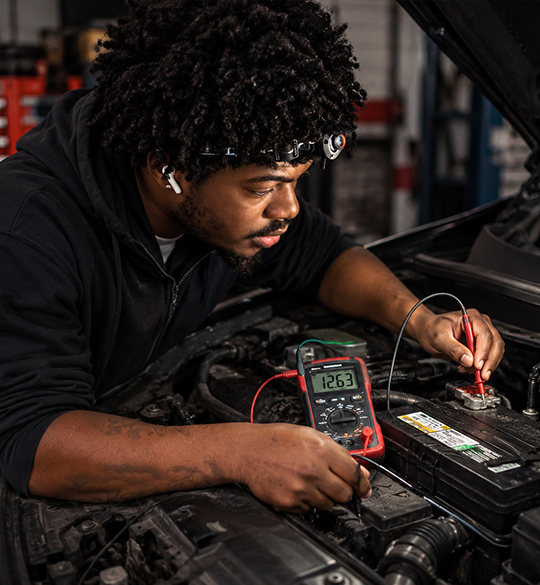
A professional car battery testing process helps identify declining performance before a breakdown occurs. Voltage output, charging capacity, reserve power, and terminal conditions can all be evaluated to determine overall health. When replacement becomes necessary, selecting the correct unit helps maintain reliable operation while supporting the electrical demands of modern automobiles. Drivers searching online for car battery replacement often seek answers after experiencing hard starts, dim lighting, dashboard warnings, or unexpected concerns. Early diagnosis helps reduce inconvenience and prevents minor issues from becoming larger problems.
A professional car battery testing process helps identify declining performance before a breakdown occurs. Voltage output, charging capacity, reserve power, and terminal conditions can all be evaluated to determine overall health. When replacement becomes necessary, selecting the correct unit helps maintain reliable operation while supporting the electrical demands of modern automobiles. Drivers searching online for car battery replacement often seek answers after experiencing hard starts, dim lighting, dashboard warnings, or unexpected concerns. Early diagnosis helps reduce inconvenience and prevents minor issues from becoming larger problems.
What Is Included During Battery Testing and Replacement?
A complete evaluation involves more than simply checking voltage. Modern systems rely on multiple components working together to supply and regulate power.
A typical appointment may include
Output testing
Charging system analysis
Terminal inspection
Cable condition review
Alternator evaluation
Electrical load assessment
Connection cleaning
Installation verification
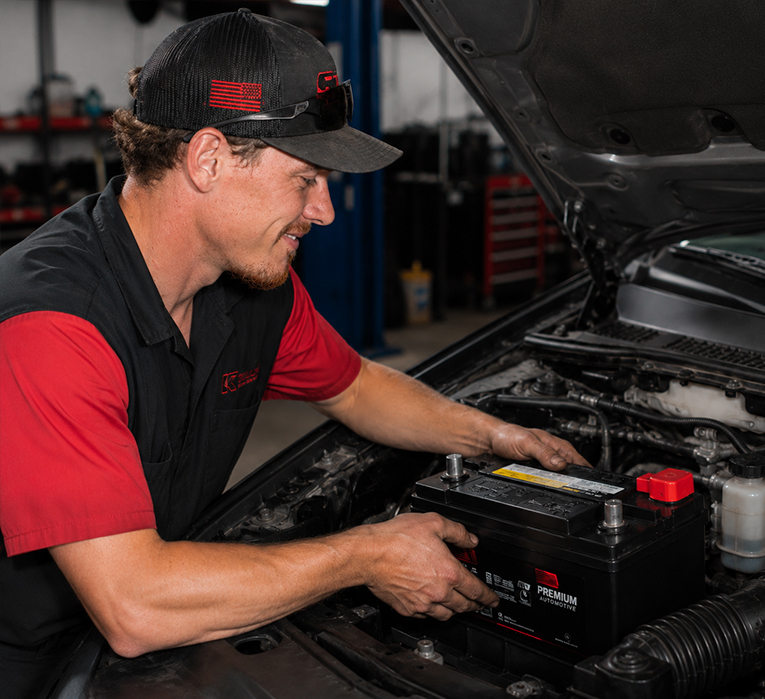
Professional auto battery testing helps determine if reduced output originates from the battery itself or another part of the charging system. When replacement becomes necessary, a properly selected unit is installed based on manufacturer specifications, power requirements, and vehicle configuration. A quality car battery installation service helps ensure reliable operation while supporting long-term power delivery. Many motorists searching for car battery replacement services want confidence that the underlying issue has been correctly identified before investing in a new component.
Why Battery Performance Declines Over Time
Battery deterioration occurs naturally through repeated charging and discharging cycles. Temperature fluctuations, driving habits, power demand, and age all influence battery longevity.
Several factors commonly contribute to reduced capacity
Extreme temperatures
Corroded terminals
Frequent short trips
Extended inactivity
Excessive accessory use
Charging system concerns

How Timely Replacement Protects Electrical System Reliability
A weak battery affects more than the starting process. Modern automobiles rely on electronic control modules, safety systems, sensors, communication networks, and onboard technology that require stable voltage. Delaying a necessary vehicle battery replacement can increase strain on charging components and contribute to broader electrical concerns.
Benefits of timely replacement may include:
Benefits of timely replacement may include:
- More dependable starts
- Improved voltage stability
- Better electronic system operation
- Reduced risk of unexpected failure
- Improved charging efficiency
- Greater driving confidence
Many vehicle owners compare repair costs after a failure and discover that proactive replacement is often less disruptive than emergency service situations. Drivers researching auto battery replacement solutions frequently prioritize reliability, convenience, and long-term value when making maintenance decisions.
Battery Solutions for Daily Drivers and Commercial Fleets
Personal transportation, contractor vehicles, delivery units, and commercial fleets experience different operating demands. Vehicles used daily often encounter significantly more charging cycles than occasional use of automobiles. Businesses depend on reliable starting power to maintain schedules, productivity, and operational efficiency. A structured battery maintenance strategy helps reduce unexpected interruptions and improve asset availability.
Advantages may include
Reduced downtime
Better fleet readiness
Improved operational planning
Lower emergency repair risk
Enhanced equipment availability
More predictable maintenance scheduling
Organizations looking for trusted car battery replacement service options often include battery inspections within broader preventive maintenance programs to support operational continuity. Commercial operators also rely on routine battery installation procedures to maintain stable power delivery across multiple units.
Choosing the Right Battery Service for Long-Term Dependability
Battery selection involves more than matching physical size. Reserve capacity, cold-cranking performance, manufacturer specifications, electrical demands, and intended usage patterns all influence the correct choice. Drivers frequently compare providers while searching for the best place for car battery replacement. Important considerations often include diagnostic accuracy, installation quality, product compatibility, and long-term reliability. Individuals researching the best car battery replacement service typically seek solutions that address both immediate concerns and future dependability.
Additional factors often considered include:
Additional factors often considered include:
- Warranty coverage
- Charging system condition
- Charging system health
- Installation quality
- Component compatibility
- Maintenance history
A properly completed automobile battery replacement helps restore confidence while supporting dependable performance across a wide range of driving conditions.
Keep Electrical Systems Ready for Every Journey
Starting reliability often depends on factors that are not visible during daily driving. Slow cranking, repeated jump starts, warning indicators, and electrical irregularities often signal weakening battery condition that deserves professional evaluation.
A professional car battery repair assessment can identify underlying concerns, determine remaining lifespan, and recommend the most appropriate solution based on vehicle needs. Drivers searching for car battery testing or dependable battery replacement solutions can benefit from early evaluation. Proper diagnosis helps determine remaining service life and reduces uncertainty when planning future maintenance.
A professional car battery repair assessment can identify underlying concerns, determine remaining lifespan, and recommend the most appropriate solution based on vehicle needs. Drivers searching for car battery testing or dependable battery replacement solutions can benefit from early evaluation. Proper diagnosis helps determine remaining service life and reduces uncertainty when planning future maintenance.
FAQs
1
What is car battery replacement and when do I need it?Car battery replacement involves installing a new battery when the existing one can no longer hold a proper charge. Common signs include slow starting, repeated jump starts, corrosion, or battery age exceeding three to five years.
2
How do I know if I need a car battery replacement?Warning signs include slow engine cranking, dim headlights, clicking sounds, battery warning lights, and electrical accessories working poorly. A battery test can confirm if replacement is necessary.
3
What is car battery testing and how does it work?Battery testing measures voltage, cranking power, and overall battery health using specialized equipment. It helps determine if the battery is healthy, needs charging, or requires replacement.
4
What does a car battery replacement service include?A battery replacement service usually includes battery testing, terminal cleaning, cable inspection, battery installation, charging system checks, and electrical performance verification.
5
Why is car battery testing important before replacement?Testing confirms if the battery is actually failing. It can also identify alternator problems, poor connections, or electrical drains, helping avoid unnecessary battery replacement.
6
What are the benefits of professional auto battery testing?Professional testing detects battery problems early, improves diagnostic accuracy, verifies charging system performance, and helps reduce the risk of unexpected breakdowns.
7
Do electric or hybrid vehicles need car battery replacement too?Yes. Hybrid and electric vehicles still use batteries that can wear out over time. Both high-voltage and conventional batteries may eventually require maintenance or replacement.
8
How do I choose the best car battery replacement service?Look for professional testing, proper battery selection, quality parts, warranty coverage, and experienced installation. A complete inspection ensures the new battery matches the vehicle's requirements.
9
Do new batteries come with a warranty?Most replacement batteries include a manufacturer's warranty. Coverage varies by battery type, brand, and warranty period, so reviewing the terms before installation is recommended.
10
How does a car battery test work?A battery analyzer connects to the battery terminals and measures voltage, charge level, and cranking power. The results show battery condition and help determine the next recommended action.