
Need Help

Lorem ipsum dolor sit amet, movet iisque luptatum per ut. Duo te sonet accusata sadipscing, mollis dissentiet an eam, te qui brute apis.
Contact Us
Follow Us
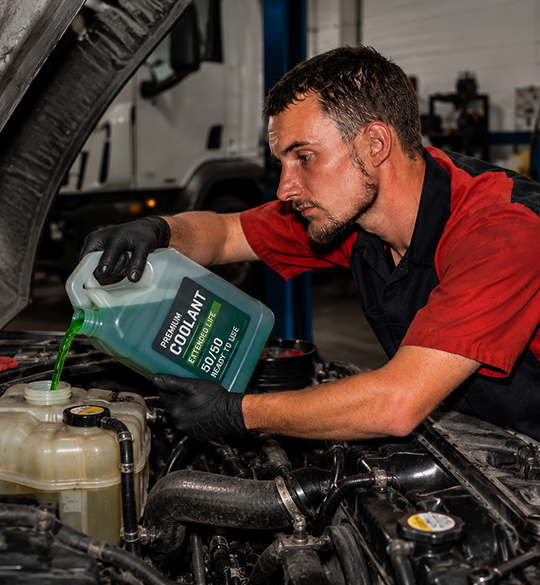
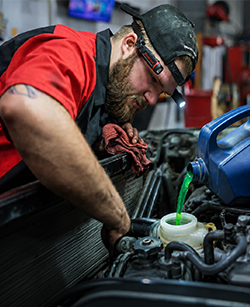
Professional Coolant and Antifreeze Solutions for Cars, Trucks & Commercial Fleets
Proper engine temperature control depends on a clean and efficient cooling system. Coolant and antifreeze circulate through the engine and radiator, absorbing excess heat and helping maintain safe operating temperatures in both hot and cold conditions. This fluid also protects internal components from corrosion, freezing, and premature wear, making it an essential part of overall vehicle reliability.
As coolant ages, its protective additives gradually break down and contaminants such as rust, debris, and mineral deposits can begin to accumulate inside the system. Reduced circulation and declining heat-transfer efficiency can place additional stress on the radiator, water pump, thermostat, and other cooling components, increasing the risk of overheating and unexpected mechanical problems.
A professional coolant and antifreeze service begins with a thorough inspection of the cooling system to evaluate fluid condition and identify any developing concerns. Replacing contaminated coolant at the proper intervals helps restore efficient temperature control, protects critical engine components, and supports dependable performance for cars, trucks, and commercial fleets.
As coolant ages, its protective additives gradually break down and contaminants such as rust, debris, and mineral deposits can begin to accumulate inside the system. Reduced circulation and declining heat-transfer efficiency can place additional stress on the radiator, water pump, thermostat, and other cooling components, increasing the risk of overheating and unexpected mechanical problems.
A professional coolant and antifreeze service begins with a thorough inspection of the cooling system to evaluate fluid condition and identify any developing concerns. Replacing contaminated coolant at the proper intervals helps restore efficient temperature control, protects critical engine components, and supports dependable performance for cars, trucks, and commercial fleets.
Why Does the Cooling System Need Periodic Maintenance?
Every heat-management component experiences wear as mileage increases. The liquid moving through the engine gradually loses its ability to resist corrosion and transfer heat efficiently. As contamination increases, deposits may restrict circulation and lower performance.
Several conditions make periodic maintenance important
Aging fluid additives
Internal rust buildup
Contamination from debris
Deteriorating seals
Reduced heat transfer efficiency
Increased stress on engine components
Many vehicle owners schedule an antifreeze change service after noticing rising temperature readings or declining heater performance. Replacing old fluid at recommended intervals helps preserve the entire system and reduces the risk of expensive repairs. Ignoring maintenance can eventually contribute to water pump failure, blocked passages, radiator damage, or overheating concerns that require extensive corrective work.
How Is a Coolant and Antifreeze Service Performed?
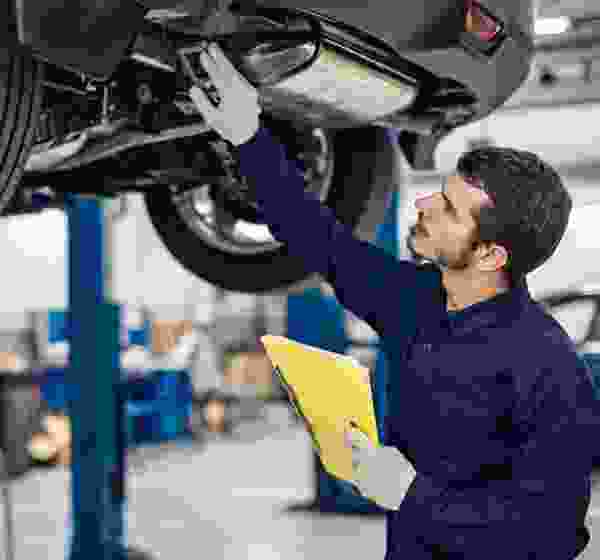
A professional inspection begins by evaluating fluid condition and checking the entire temperature-control circuit. Technicians examine components that influence circulation and determine if contamination or leakage is present.
A standard appointment may include
Fluid condition assessment
Pressure testing
Hose inspection
Thermostat evaluation
Drain and refill procedures
Performance verification
What Problems Can Develop When Coolant Becomes Contaminated?
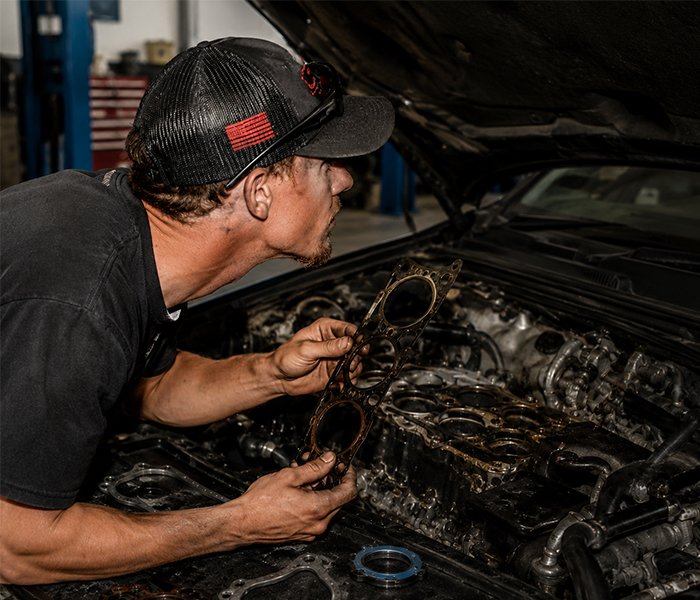
Old or deteriorated fluid can affect much more than engine temperature. As protective additives weaken, corrosion may begin inside metal passages and cooling components.
Common issues linked to contaminated fluid include:
Common issues linked to contaminated fluid include:
- Internal corrosion
- Heater performance reduction
- Blocked passages
- Water pump wear
- Damaged seals and gaskets
- Higher operating temperatures
An engine coolant flush removes accumulated contaminants that can interfere with circulation and component operation. Eliminating debris and replacing worn-out fluid helps restore proper thermal efficiency.
Regular maintenance also reduces the likelihood of unexpected breakdowns caused by overheating or restricted circulation.
Regular maintenance also reduces the likelihood of unexpected breakdowns caused by overheating or restricted circulation.
What Signs Suggest Cooling System Service Is Needed?
Vehicles often display warning signs before serious temperature problems develop. Recognizing these symptoms early can help prevent extensive damage.
Common indicators include
Temperature gauge readings above normal
Sweet odor from under the hood
Visible fluid leaks
Steam from the engine compartment
Cabin heater performance changes
Frequent low coolant levels
Many drivers seek a car overheating repair service after experiencing one or more of these symptoms. Prompt diagnosis can identify minor concerns before they progress into major engine issues.
Temperature fluctuations should never be ignored because excessive heat can damage gaskets, cylinder heads, and other critical components.
Temperature fluctuations should never be ignored because excessive heat can damage gaskets, cylinder heads, and other critical components.
When Should a Cooling System Be Inspected?
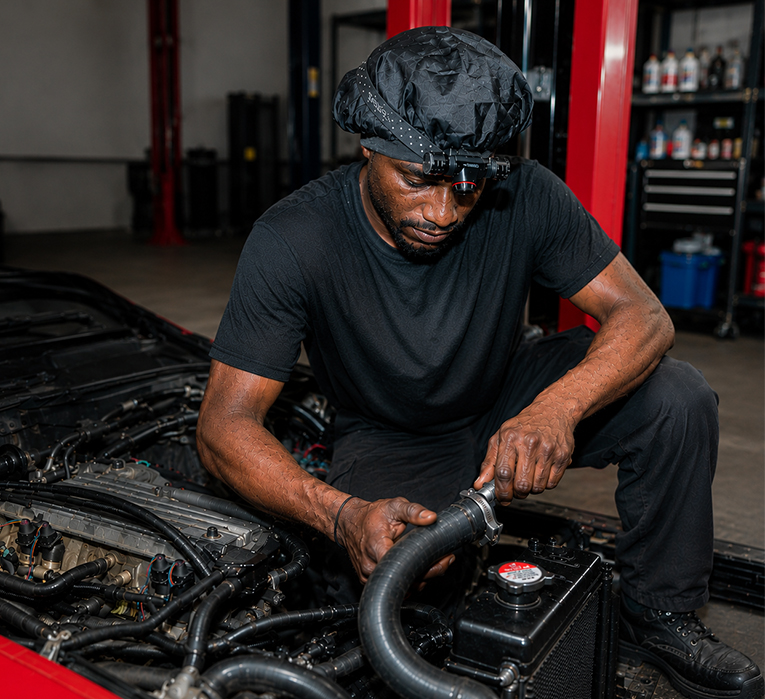
Inspection intervals depend on vehicle age, driving conditions, and manufacturer recommendations. Heavy traffic, towing, and extreme temperatures may increase stress on the system and shorten fluid life.
Professional evaluation is recommended when:
Professional evaluation is recommended when:
- Scheduled maintenance becomes due
- Leaks appear beneath the vehicle
- Engine temperature changes unexpectedly
- Heater performance declines
- Cooling components show visible wear
- Fluid appears dirty or discolored
Drivers searching online for coolant system repair near me are often dealing with leaks, overheating concerns, or declining system performance. A complete inspection helps identify the source of the problem and determines the most effective corrective action.
Early attention can help prevent larger mechanical failures and extend the life of connected components.
Early attention can help prevent larger mechanical failures and extend the life of connected components.
Protect Engine Performance With Timely Cooling System Care
A properly maintained temperature-management circuit helps control heat, supports efficient engine operation, and reduces unnecessary wear on important components. Fresh fluid and regular inspections contribute to dependable performance and help lower the risk of overheating-related damage.
Professional service can identify developing concerns before they become expensive repairs and restore confidence in everyday driving.
Professional service can identify developing concerns before they become expensive repairs and restore confidence in everyday driving.
FAQs
1
What is a coolant flush service, and why is it important for my vehicle? A coolant flush service removes old coolant, rust, and contaminants from the engine's temperature-control circuit and replaces it with fresh fluid. This maintenance helps protect important components and supports proper engine temperature management.
2
What happens if there is not enough coolant in my vehicle?Low coolant levels can cause the engine to run hotter than normal and may eventually lead to overheating. Continued driving with insufficient coolant can damage major engine components and result in expensive repairs.
3
What are the signs that I need an engine coolant flush? Common signs include rising temperature readings, dirty or discolored coolant, a sweet odor, frequent overheating, or poor heater performance. These symptoms often indicate that a coolant flush service may be needed.
4
Why is my car overheating and how does a coolant flush help? Overheating can occur due to contaminated coolant, leaks, restricted passages, or failing components. Removing old fluid and debris helps improve heat transfer and allows the temperature-management assembly to operate more efficiently.
5
Will a car run better after a coolant flush? Yes. Fresh coolant can improve temperature regulation and help reduce stress on engine components. A properly maintained temperature-control circuit may also support overall engine performance and reliability.
6
What causes a car to overheat and how can I fix it? Common causes include coolant leaks, a faulty thermostat, a damaged water pump, or contaminated coolant. Professional diagnosis and the appropriate repair, such as a radiator coolant service, can help restore proper operation.
7
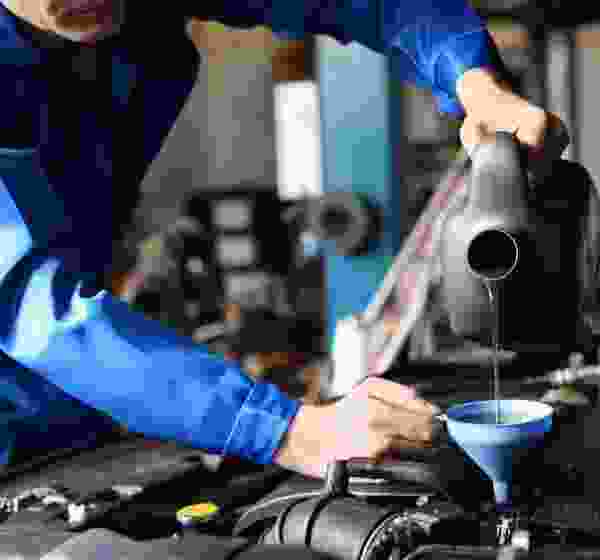
What happens during an antifreeze service? An antifreeze change service typically includes draining old coolant, inspecting hoses and related components, refilling the system with fresh fluid, and checking for proper operation after the service is completed.
8
Can I drive my car if the engine is overheating? Driving an overheating vehicle is not recommended. Excessive heat can damage gaskets, cylinder heads, and other internal components. Pulling over safely and having the issue inspected as soon as possible is the best course of action.
9
What is the first thing to check when a car overheats? The first step is to safely stop the vehicle and check the coolant level once the engine has cooled completely. Visible leaks or steam may also indicate a problem that requires professional attention.
10
Does a coolant flush improve car performance? Yes. A coolant flush service helps maintain efficient heat transfer and reduces contamination that can affect engine operation. Proper temperature control supports dependable performance and may help extend component life.