
Need Help

Lorem ipsum dolor sit amet, movet iisque luptatum per ut. Duo te sonet accusata sadipscing, mollis dissentiet an eam, te qui brute apis.



Contact Us
Follow Us
Multi-Point Inspection Service
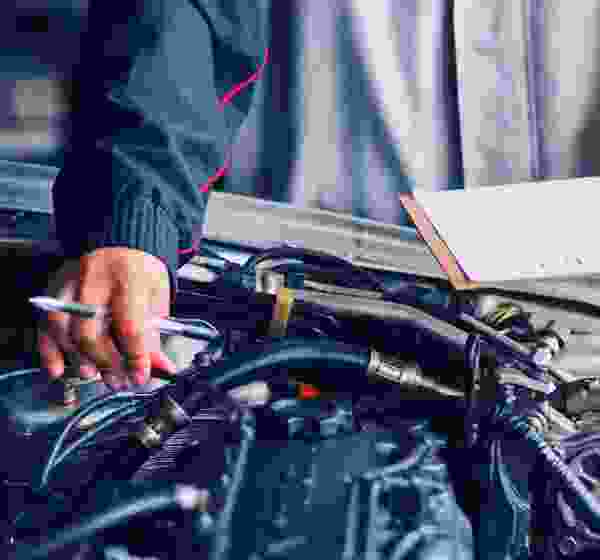
Every automobile contains hundreds of interconnected mechanical, electrical, hydraulic, and safety-related components. Daily driving gradually affects these systems through mileage accumulation, environmental exposure, temperature fluctuations, road conditions, and normal wear. Many developing concerns remain unnoticed until performance changes become obvious or a breakdown occurs.
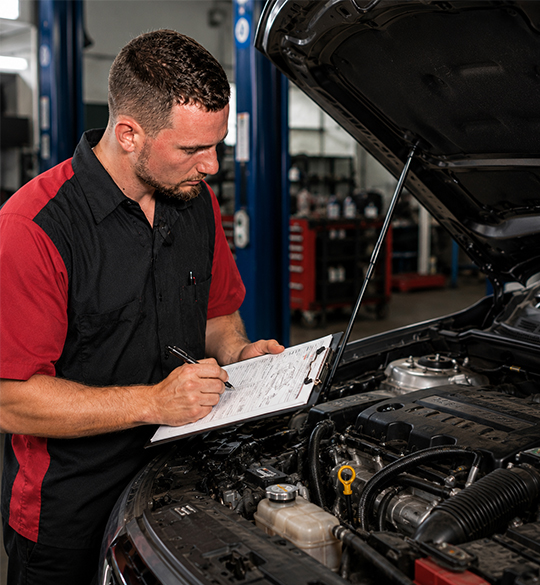
A professional vehicle inspection service helps identify existing issues and emerging concerns through a structured examination of major operating systems. Instead of waiting for warning signs to appear, a comprehensive review provides valuable insight into current vehicle health and operating status. Drivers often schedule inspections before long-distance travel, seasonal weather changes, vehicle purchases, maintenance planning, or after noticing changes in drivability. Early detection frequently helps reduce unexpected repair expenses while supporting long-term reliability and safety.
A professional vehicle inspection service helps identify existing issues and emerging concerns through a structured examination of major operating systems. Instead of waiting for warning signs to appear, a comprehensive review provides valuable insight into current vehicle health and operating status. Drivers often schedule inspections before long-distance travel, seasonal weather changes, vehicle purchases, maintenance planning, or after noticing changes in drivability. Early detection frequently helps reduce unexpected repair expenses while supporting long-term reliability and safety.
What Is Included During a Multi-Point Vehicle Inspection?
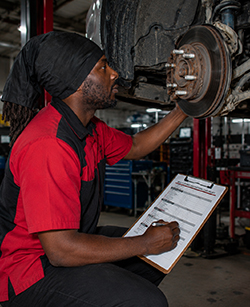
A multi-point evaluation examines multiple areas throughout the automobile rather than focusing on a single component. The objective is to create a broad overview of mechanical condition, safety readiness, and maintenance status.
A typical assessment may include
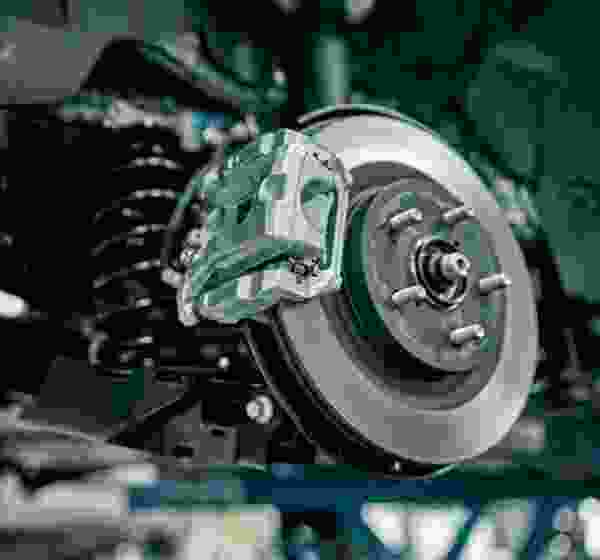
Brake system review
Tire condition analysis
Steering component evaluation
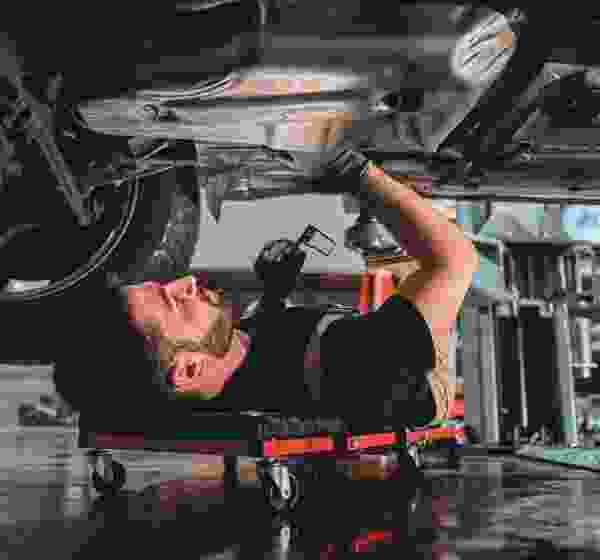
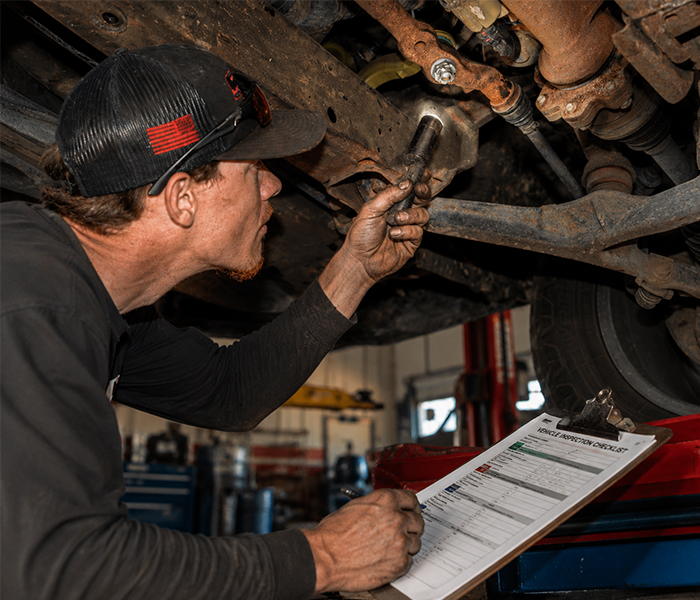
Suspension examination
Battery testing
Fluid level verification
Lighting inspection
Belt and hose assessment
A detailed car inspection service helps uncover wear patterns, fluid leaks, deteriorating components, safety concerns, and maintenance requirements that may not be visible during routine driving. Findings provide a clearer understanding of current vehicle status while supporting informed maintenance decisions.
Why Regular Inspections Matter Throughout Vehicle Ownership
Mechanical systems rarely transition from normal operation to complete failure instantly. Most issues develop gradually through wear, contamination, heat exposure, vibration, and repeated use. Without periodic assessments, minor concerns can remain undetected until more extensive damage occurs.
Several factors commonly influence component deterioration:
Several factors commonly influence component deterioration:
- High mileage accumulation
- Stop-and-go traffic exposure
- Extreme temperature conditions
- Rough roadway surfaces
- Extended idle periods
- Delayed maintenance intervals
Routine inspections help identify developing concerns before they create larger reliability issues. Many motorists schedule a full car inspection service to gain a complete understanding of vehicle condition and address maintenance priorities based on actual findings rather than assumptions.
How Inspection Results Support Better Maintenance Decisions
Accurate information allows vehicle owners to make smarter maintenance choices. Instead of reacting to unexpected breakdowns, inspection findings create opportunities to address concerns proactively.
Potential advantages may include
Earlier issue detection
Better service forecasting
Reduced repair uncertainty
Better safety awareness
Greater operating confidence
Enhanced long-term reliability
What Areas Receive Special Attention During Evaluation?
Certain systems have a direct impact on vehicle safety, drivability, efficiency, and overall performance. These areas often receive additional attention during a structured inspection process.
Technical reviews frequently assess
Brake operation
Steering responsiveness
Suspension integrity
Tire condition
Fluid quality
Electrical functionality
A thorough vehicle health check examines how these systems interact under normal operating conditions. Rather than evaluating components individually, technicians assess the overall health of interconnected assemblies that contribute to safe and dependable transportation. Assessment results can also reveal hidden concerns involving fluid seepage, abnormal wear patterns, deteriorating rubber components, battery weakness, charging irregularities, or steering and suspension movement that may affect long-term performance.

When Should a Multi-Point Inspection Be Scheduled?
Many vehicle owners wait until a warning light appears or a performance issue develops before seeking professional evaluation. However, inspections can be beneficial long before symptoms become noticeable.
Situations commonly prompting assessment include:
Situations commonly prompting assessment include:
- Pre-trip preparation
- Seasonal maintenance planning
- Recently purchased automobiles
- High-mileage ownership
- Long periods of inactivity
- Service history evaluations
A structured inspection process helps establish a baseline understanding of current system health while identifying concerns requiring attention. Regular evaluations also create a documented maintenance history that supports long-term vehicle care and helps owners plan future service requirements with greater confidence.
Understand Vehicle Health Before Small Issues Grow
Hidden wear, fluid leaks, weakened components, and developing safety concerns often remain unnoticed until performance begins to change. A comprehensive inspection helps uncover these issues early while providing a clearer picture of overall vehicle health.
Professional evaluation can identify maintenance priorities, verify component condition, and support informed decisions based on verified findings rather than guesswork.
Professional evaluation can identify maintenance priorities, verify component condition, and support informed decisions based on verified findings rather than guesswork.
FAQs
1
What is included in a comprehensive multi-point inspection?A multi-point inspection typically includes checks of the brakes, tires, battery, fluids, suspension, steering, lights, belts, hoses, and other major systems. It provides an overall view of vehicle condition.
2
How long does a standard multi-point inspection take to complete?Most inspections take between 30 minutes and one hour. The exact time depends on the vehicle, inspection depth, and any issues discovered during the evaluation.
3
What is the purpose of a multi-point inspection?The purpose is to identify wear, safety concerns, and maintenance needs before they become larger problems. It helps owners make informed decisions about repairs and future service.
4
Why is a vehicle inspection service important?Regular inspections help detect hidden issues, improve reliability, and reduce the risk of unexpected breakdowns. They also support safer vehicle operation and better maintenance planning.
5
Can a vehicle health check identify hidden problems?Yes. A vehicle health check can uncover fluid leaks, battery weakness, worn components, and other developing issues that may not show obvious symptoms during daily driving.
6
Why is a professional vehicle inspection service necessary before buying a used car?An inspection can reveal hidden mechanical problems, previous damage, and overdue maintenance. This information helps buyers understand the true condition of the vehicle before purchasing.
7
Does a standard car inspection service guarantee that a vehicle will pass state emissions testing?No. An inspection can identify potential issues, but it cannot guarantee a vehicle will pass emissions testing since requirements vary and problems can develop later.
8
Can an auto inspection service accurately detect hidden electrical system faults?Yes. Modern inspections often include battery testing and diagnostic scans that can identify charging issues, sensor faults, and other electrical concerns that may not be immediately noticeable.
9
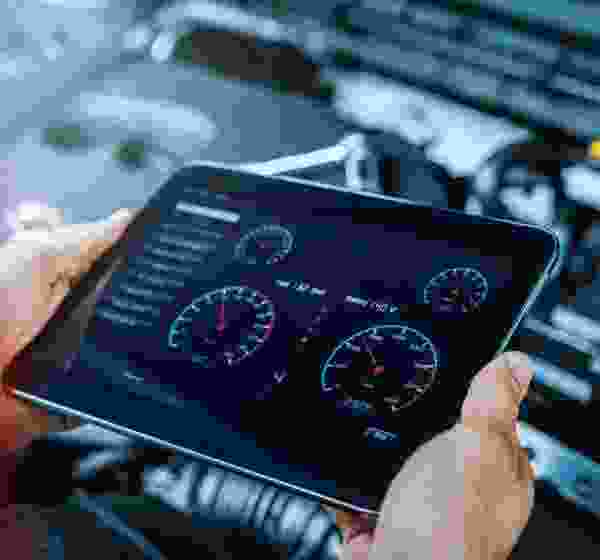
What is included in a digital vehicle health check?A digital health check may include diagnostic scans, battery testing, fluid evaluations, tire measurements, and electronic reports showing the condition of major vehicle systems.
10
Can a vehicle health check be performed on electric vehicles (EVs)? Yes. Vehicle health checks can be performed on EVs and may include inspections of the battery system, charging components, tires, brakes, suspension, and electronic systems.