
Need Help

Lorem ipsum dolor sit amet, movet iisque luptatum per ut. Duo te sonet accusata sadipscing, mollis dissentiet an eam, te qui brute apis.
Contact Us
Follow Us
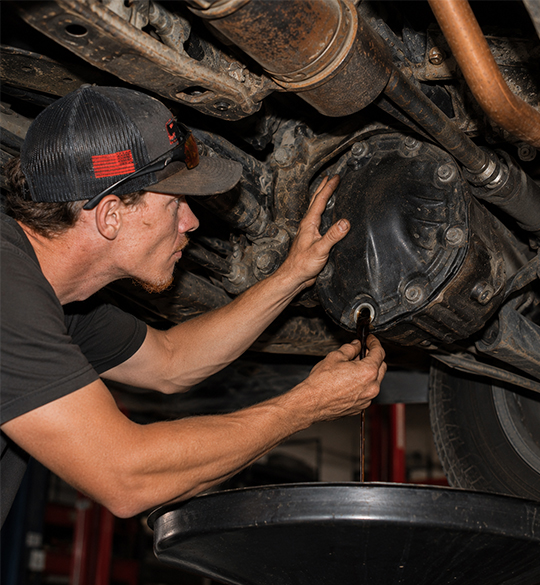
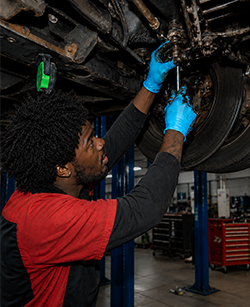
Differential Service, Fluid Change & Drivetrain Repair Solutions
A differential plays a vital role in transferring engine power to the wheels while allowing each wheel to rotate at different speeds during turns. Without this function, tires would experience excessive stress during cornering, handling would become unpredictable, and drivetrain components could suffer premature wear. Although hidden beneath the vehicle, this assembly works continuously whenever the automobile is moving.
Professional differential service helps maintain smooth power distribution while supporting long-term drivetrain reliability. Internal gears, bearings, seals, and lubricants operate under significant pressure and heat. As mileage increases, lubricant quality gradually declines, contamination can develop, and component wear may begin affecting overall operation. Drivers often notice symptoms such as unusual noises, vibration, fluid leaks, or changes in handling behavior. Early attention helps prevent additional strain affecting related drivetrain assemblies.
Professional differential service helps maintain smooth power distribution while supporting long-term drivetrain reliability. Internal gears, bearings, seals, and lubricants operate under significant pressure and heat. As mileage increases, lubricant quality gradually declines, contamination can develop, and component wear may begin affecting overall operation. Drivers often notice symptoms such as unusual noises, vibration, fluid leaks, or changes in handling behavior. Early attention helps prevent additional strain affecting related drivetrain assemblies.
What Does a Differential Do?
A differential manages torque distribution while allowing wheel-speed variation during turns. This function helps maintain traction and reduces stress throughout the driveline system.
A comprehensive evaluation may include
Lubricant condition assessment
Gear wear inspection
Seal examination
Bearing analysis
Rack examination
Housing inspection
Leak detection
Driveline assessment
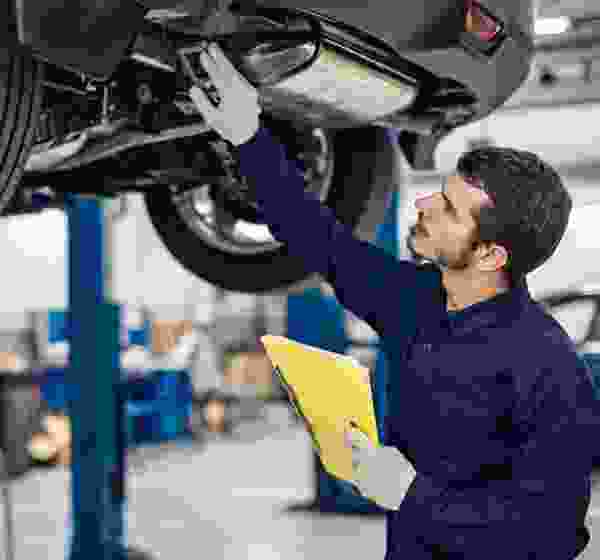
A complete power-transfer system evaluation helps determine how effectively internal components operate under normal driving conditions. Inspection findings often reveal wear patterns that may not produce obvious symptoms during everyday vehicle use.
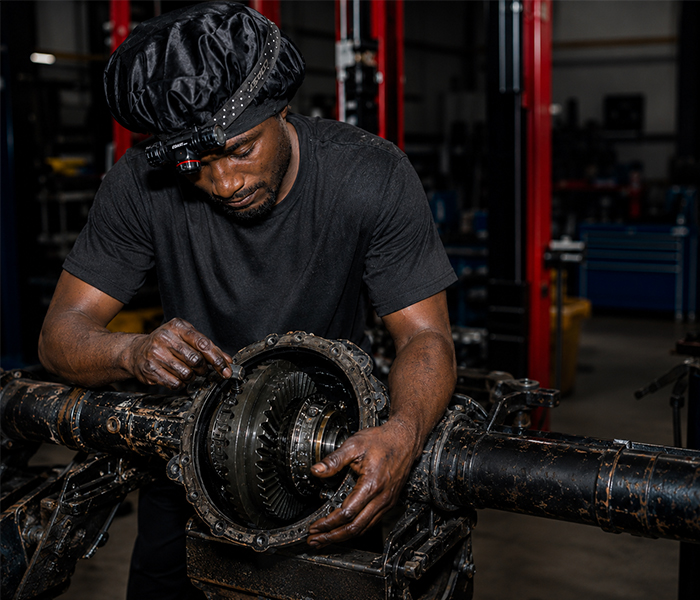
Why Differential Components Experience Wear
Precision gears operate under heavy loads and constant friction. Heat generation, contamination, lubricant breakdown, and age can gradually affect operating efficiency.
Common causes include:
Common causes include:
- Lubricant degradation
- Seal deterioration
- Bearing wear
- Gear surface fatigue
- Moisture contamination
- Heavy towing demands
Several warning signs may indicate developing concerns:
- Whining noises
- Grinding sounds
- Fluid seepage
- Driveline vibration
- Handling irregularities
- Abnormal drivetrain sounds
Many motorists researching rear differential service discover that early maintenance can help reduce wear affecting expensive internal assemblies.
How Lubricant Maintenance Supports Drivetrain Reliability
Lubricants play a critical role in protecting gear-contact surfaces. Clean fluid reduces friction, controls heat, and minimizes metal-to-metal contact throughout operation.
Potential advantages may include
Improved lubrication quality
Reduced internal friction
Better temperature control
Enhanced gear protection
Longer component life
Smoother drivetrain operation
Understanding Front, Rear, and Axle-Related Differential Repairs
Different drivetrain configurations place unique demands on internal assemblies. Service requirements can vary depending on vehicle design and operating conditions.
Technical assessments frequently review
Gear condition
Bearing integrity
Seal performance
Lubrication quality
Housing condition
Driveline operation
A front differential repair may become necessary when component wear affects torque transfer or gear engagement. In other situations, axle and differential repair procedures address concerns involving interconnected drivetrain components that operate together during vehicle movement. Accurate diagnosis helps determine the most appropriate corrective action while reducing unnecessary component replacement.
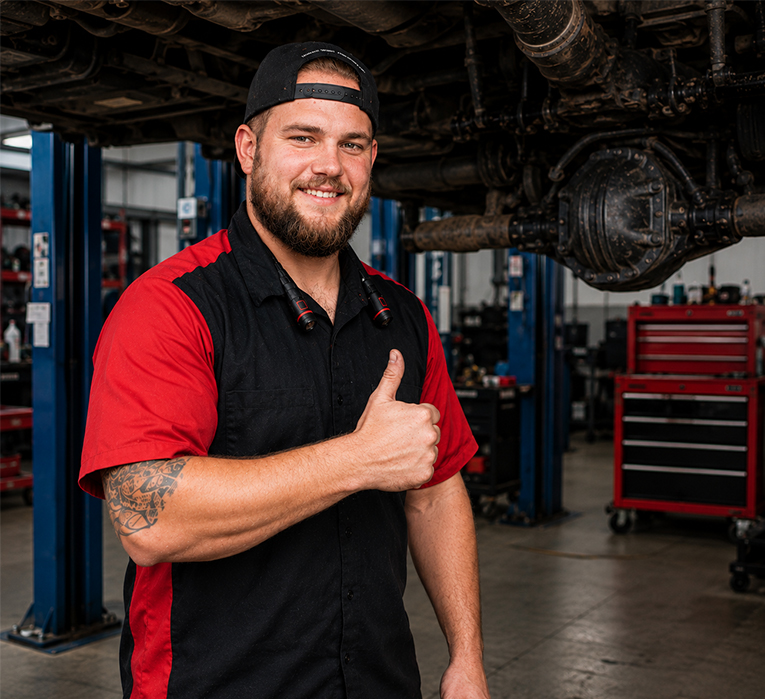
When Should Differential Service Be Scheduled
Many drivetrain concerns develop gradually and become more noticeable over time. Routine inspections help identify developing issues before significant damage occurs.
Situations commonly prompting evaluation include:
Situations commonly prompting evaluation include:
- Fluid leaks
- Whining sounds
- Vibration during acceleration
- Driveline noise
- Heavy towing usage
- High accumulated mileage
Drivers researching car differential services often seek answers about maintenance intervals, lubricant condition, or unusual driveline behavior. Others investigate rear differential service recommendations after noticing operating changes affecting handling or noise levels. A properly maintained differential supports smoother power delivery, improved mechanical durability, and more dependable long-term vehicle operation.
Maintain Smooth Differential and Driveline Performance
Unusual noises, vibration, fluid leakage, or power-transfer irregularities often indicate developing concerns within differential assemblies. Ignoring these symptoms can increase wear and lead to more extensive mechanical repairs.
Professional inspection can verify assembly condition, identify lubrication concerns, and determine the most effective corrective solution based on verified findings.
Professional inspection can verify assembly condition, identify lubrication concerns, and determine the most effective corrective solution based on verified findings.
FAQs
1
What is a differential service? A differential service involves inspecting the differential assembly and replacing old lubricant. This maintenance helps reduce friction, control heat, and protect gears and bearings from excessive wear.
2
What does a differential service consist of?A typical service includes checking fluid condition, inspecting seals and housing, looking for leaks, and replacing the old differential fluid with manufacturer-recommended lubricant.
3
How do I know if I need a differential service?Common signs include whining noises, vibration, fluid leaks, grinding sounds, or changes in drivetrain performance. Routine maintenance intervals are also a good time to schedule service.
4
What is the lifespan of a rear differential?A rear differential can last well over 100,000 miles with proper maintenance. Its lifespan depends on driving habits, towing demands, and regular fluid changes.
5
What happens if differential fluid is not changed?Old fluid can lose its protective properties, leading to increased friction, overheating, gear wear, and potential differential failure. Delaying service may result in costly repairs.
6
What is included in a rear differential service?Rear differential service generally includes fluid replacement, leak inspection, gear and bearing checks, and an evaluation of the overall condition of the differential assembly.
7
What signs indicate differential fluid needs changing?Warning signs include dark or contaminated fluid, whining noises, vibration, burning smells, and increased drivetrain noise. Regular inspections can help identify fluid deterioration early.
8
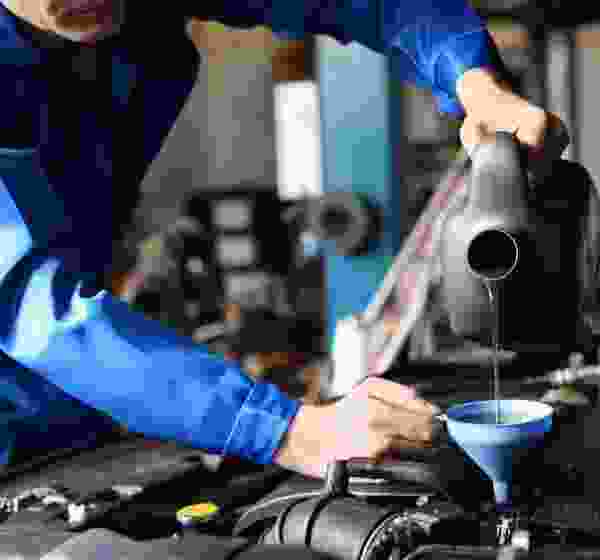
What exactly happens during a differential oil change?The old lubricant is drained, the housing is inspected, and fresh fluid is installed according to manufacturer specifications. The service may also include checking seals and drain plugs.
9
What is the standard lifespan of the fluid before a differential fluid change is strictly needed?Many manufacturers recommend changing differential fluid between 30,000 and 60,000 miles, although service intervals vary depending on vehicle design and operating conditions.
10
Why is preventative differential service absolutely crucial for vehicles that tow heavy loads?Towing generates additional heat and stress inside the differential. Regular service helps maintain proper lubrication, reduces wear, and supports long-term drivetrain reliability under heavy-duty conditions.