
Need Help

Lorem ipsum dolor sit amet, movet iisque luptatum per ut. Duo te sonet accusata sadipscing, mollis dissentiet an eam, te qui brute apis.
Contact Us
Follow Us
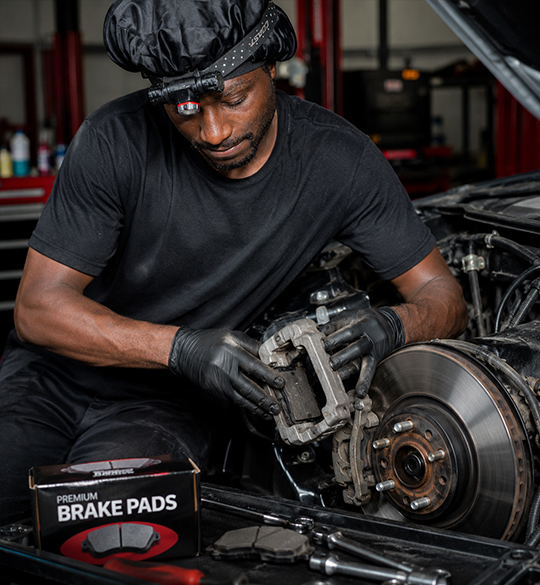
Restoring Proper Brake Function Through Brake Caliper Replacement
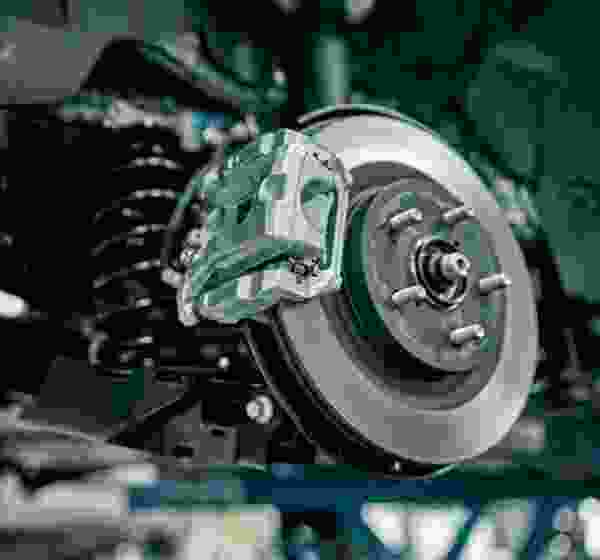
Brake calipers play a critical role within the braking assembly by applying pressure to brake pads during deceleration. This action creates the friction necessary to reduce speed and maintain vehicle control. When a caliper begins to stick, seize, leak, or lose movement, braking performance can become inconsistent and potentially unsafe.
Professional brake caliper replacement addresses worn or malfunctioning components that may affect responsiveness, pad wear patterns, rotor condition, and overall system balance. Unlike friction materials that gradually wear through normal use, caliper issues often develop due to corrosion, damaged seals, restricted slide pins, moisture contamination, or prolonged exposure to heat. Drivers commonly notice changes such as pulling during deceleration, uneven pad wear, excessive heat near a wheel, unusual noises, or reduced driver confidence. Prompt diagnosis helps prevent additional damage while supporting safer vehicle operation across varying road conditions.
Professional brake caliper replacement addresses worn or malfunctioning components that may affect responsiveness, pad wear patterns, rotor condition, and overall system balance. Unlike friction materials that gradually wear through normal use, caliper issues often develop due to corrosion, damaged seals, restricted slide pins, moisture contamination, or prolonged exposure to heat. Drivers commonly notice changes such as pulling during deceleration, uneven pad wear, excessive heat near a wheel, unusual noises, or reduced driver confidence. Prompt diagnosis helps prevent additional damage while supporting safer vehicle operation across varying road conditions.
What Does a Brake Caliper Do?
A brake caliper converts hydraulic pressure into clamping force. When the pedal is pressed, brake fluid transfers pressure through the hydraulic system, causing the caliper piston to push the brake pads against the rotor surface.
A complete evaluation may include
Caliper movement inspection
Piston operation assessment
Slide pin examination
Brake fluid review
Rotor condition analysis
Pad wear evaluation
Hydraulic leak detection
Road performance testing
A detailed inspection helps determine if corrective action involves servicing, rebuilding, or complete replacement. In many situations, a damaged unit can negatively affect surrounding components, making accurate diagnosis essential before repairs begin.
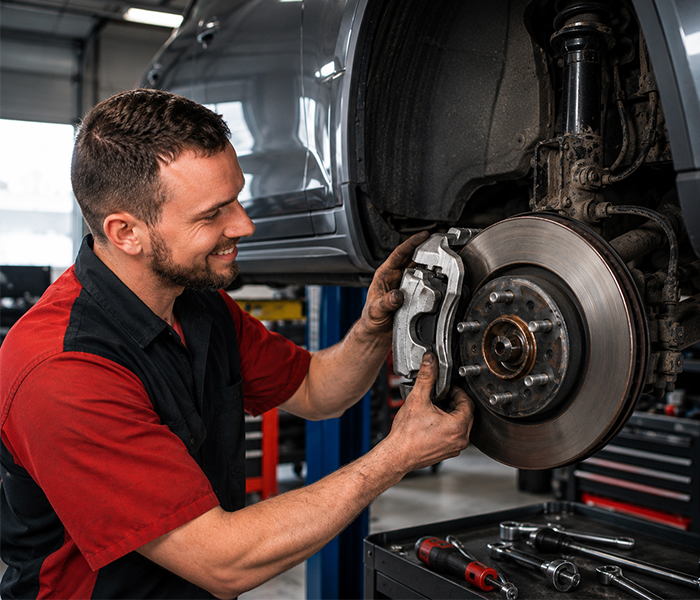
Why Brake Calipers Fail Over Time
Brake assemblies operate under demanding conditions involving heat, moisture, road debris, and constant pressure changes. Over time, internal components may deteriorate, affecting movement and hydraulic function.
Common causes include:
Common causes include:
- Corrosion buildup
- Damaged piston seals
- Contaminated brake fluid
- Restricted slide pins
- Heat-related deterioration
- Moisture intrusion
Several symptoms may indicate developing concerns:
- Vehicle pulling during braking
- Uneven pad wear
- Excessive wheel heat
- Brake drag
- Reduced responsiveness
- Abnormal rotor wear
Many motorists researching stuck brake caliper fix solutions discover that delayed attention can accelerate wear throughout surrounding assemblies. Early diagnosis helps identify root causes before more extensive repairs become necessary.
How Caliper Replacement Improves Braking Performance
A malfunctioning caliper can create uneven pressure across braking surfaces. This imbalance may affect handling characteristics, increase component temperatures, and contribute to accelerated wear patterns. Professional brake caliper repair or replacement restores balanced hydraulic operation throughout the braking system.
Potential advantages include
Improved pedal consistency
Balanced stopping action
Reduced uneven wear
Better rotor protection
Enhanced vehicle control
Greater driving confidence
Understanding Front and Rear Caliper Service Requirements
Front and rear braking assemblies operate under different load conditions. Weight transfer causes front components to handle a greater share of braking load, often creating different wear patterns across the system. A front brake caliper replacement may be recommended when inspection reveals restricted piston movement, leakage, or excessive wear affecting front-wheel stopping performance. Rear assemblies also require periodic evaluation. A rear brake caliper replacement may become necessary when hydraulic function declines or mechanical parking brake components begin affecting operation.
Inspection findings frequently consider
Hydraulic integrity
Piston condition
Slide mechanism movement
Heat damage indicators
Pad wear distribution
Rotor contact patterns
Understanding these operating differences helps create balanced vehicle control throughout the entire system.
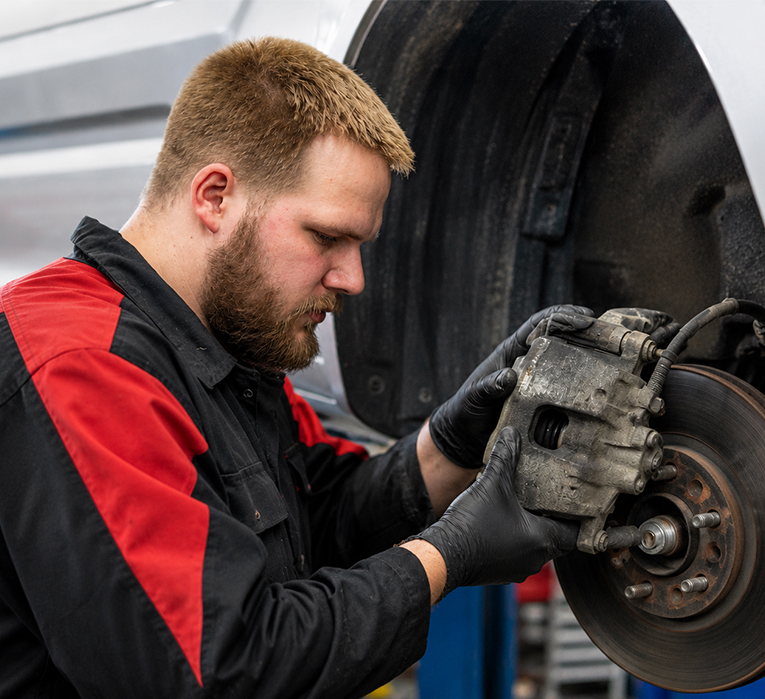
What Factors Influence Caliper Service Decisions?
Every automobile experiences unique operating conditions. Climate exposure, annual mileage, driving habits, road environments, and maintenance history all influence component longevity. Many vehicle owners compare caliper replacement cost estimates before scheduling repairs. Actual requirements depend on inspection findings, component condition, related damage, and overall braking system health. Online searches often include phrases such as brake caliper repair near me, brake caliper repair, or caliper replacement when motorists seek answers regarding caliper - related concerns.
Service recommendations may be influenced by:
Service recommendations may be influenced by:
- Fluid condition
- Seal deterioration
- Corrosion severity
- Piston operation
- Slide pin movement
- Rotor wear levels
Drivers researching stuck brake caliper repair near me frequently learn that prompt action helps prevent unnecessary damage affecting pads, rotors, wheel bearings, and surrounding braking hardware.
Keep Your Braking System Operating Safely
Pulling during braking, uneven pad wear, excessive wheel heat, fluid leakage, or reduced responsiveness can indicate caliper-related concerns requiring professional attention.
Inspection findings reveal component condition, highlight hydraulic concerns, and clarify the most appropriate corrective action. Timely service can improve system balance, reduce unnecessary wear, and support safer vehicle operation.
Inspection findings reveal component condition, highlight hydraulic concerns, and clarify the most appropriate corrective action. Timely service can improve system balance, reduce unnecessary wear, and support safer vehicle operation.
FAQs
1
What are the common signs I need a brake caliper replacement?Common signs include pulling during braking, uneven pad wear, excessive heat near one wheel, brake fluid leaks, and dragging brakes. A burning smell or reduced stopping performance can also indicate caliper problems. An inspection can confirm if replacement is necessary.
2
Is a seized brake caliper repairable, or does it need replacement?Minor issues such as sticking slide pins may be repairable. Severe corrosion, damaged pistons, fluid leaks, or internal seal failure usually require replacement. A professional inspection determines the best solution.
3
What is the average lifespan of a brake caliper?Brake calipers often last between 75,000 and 100,000 miles or longer. Lifespan depends on driving habits, climate, brake fluid maintenance, and overall vehicle use. Regular inspections can help extend service life.
4
Can I drive with a stuck brake caliper?Driving with a stuck caliper is not recommended. It can cause rotor damage, rapid brake pad wear, overheating, and reduced braking performance. Prompt repairs help prevent additional damage and safety concerns.
5
How often should I perform a brake caliper service?Brake calipers should be inspected during routine brake maintenance and whenever braking performance changes. Service is also recommended during brake pad replacement or when unusual noises and uneven wear appear.
6
What is included in a brake caliper service?A brake caliper service may include caliper inspection, piston and slide pin checks, leak detection, hardware evaluation, and brake fluid inspection. Cleaning and lubrication may also be performed when needed.
7
How often should brake calipers be inspected?Brake calipers should be checked during annual brake inspections, brake pad replacement, or any time unusual braking symptoms develop. Regular evaluations help maintain braking performance and component longevity.
8
How do I know if a stuck brake caliper is causing my vibration?A stuck caliper can create excessive heat and uneven rotor pressure, causing vibration. Other signs include pulling to one side, hot wheel temperatures, burning smells, and uneven pad wear. A diagnosis can confirm the cause.
9
What does a typical brake caliper replacement include?Replacement usually includes removing the faulty caliper, installing a new unit, inspecting pads and rotors, bleeding the brake system, and verifying braking performance. This helps restore proper hydraulic operation.
10
Does a brake caliper repair require a full brake system flush?Not always. A fluid flush may be recommended if the brake fluid is contaminated, moisture levels are high, or multiple hydraulic components are being serviced. Fresh fluid helps protect the entire braking system.