
Need Help

Lorem ipsum dolor sit amet, movet iisque luptatum per ut. Duo te sonet accusata sadipscing, mollis dissentiet an eam, te qui brute apis.





Contact Us
Follow Us

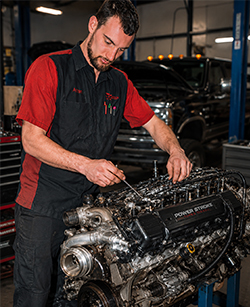
Improving Power and Efficiency Through Professional Engine Tuning
An engine depends on precise communication between fuel delivery, ignition timing, airflow, and electronic controls. Small changes in any of these areas can affect acceleration, fuel economy, throttle response, and overall drivability. As mileage increases, sensors age, deposits accumulate, and operating values may drift away from ideal specifications.
Professional engine tuning helps restore engine efficiency by analyzing systems that affect combustion, fuel delivery, and throttle response. Drivers frequently seek tuning after noticing sluggish acceleration, rough idling, poor fuel mileage, delayed throttle response, or inconsistent performance. A properly calibrated engine can deliver smoother operation while supporting long-term mechanical reliability.
Professional engine tuning helps restore engine efficiency by analyzing systems that affect combustion, fuel delivery, and throttle response. Drivers frequently seek tuning after noticing sluggish acceleration, rough idling, poor fuel mileage, delayed throttle response, or inconsistent performance. A properly calibrated engine can deliver smoother operation while supporting long-term mechanical reliability.
What Does Engine Tuning Include?
Engine tuning involves inspecting, testing, and adjusting systems that directly affect engine performance. Modern automobiles rely heavily on electronic management systems, making accurate analysis essential before adjustments are performed.
A comprehensive evaluation may include
Ignition system inspection
Fuel delivery analysis
Air intake assessment
Sensor testing
Computer diagnostics
Timing verification
Emissions evaluation
Road-performance testing
A professional car engine tuning service identifies performance limitations and determines which adjustments can improve overall engine operation. Diagnostic evaluation can reveal early performance concerns before they contribute to drivability issues or costly repairs.
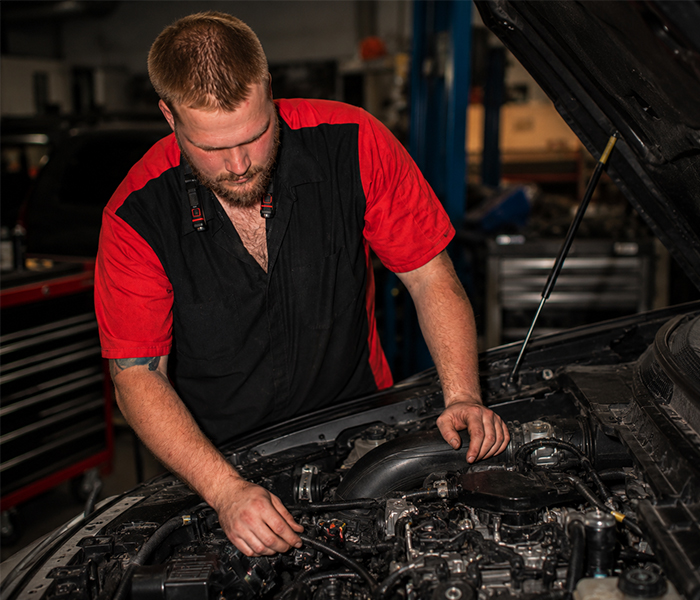
Why Engine Performance Changes Over Time
Engines experience continuous heat, vibration, and wear throughout daily operation. Even properly maintained vehicles can gradually lose efficiency as components age.
Common causes of declining performance include:
Common causes of declining performance include:
- Carbon deposits
- Dirty injectors
- Worn ignition components
- Sensor deterioration
- Restricted airflow
- Software irregularities
Several warning signs may indicate that tuning is beneficial:
- Reduced acceleration
- Rough idling
- Lower fuel economy
- Hesitation during acceleration
- Hard starting
- Increased exhaust emissions
Many motorists researching performance tuning car solutions seek better acceleration, smoother operation, and improved responsiveness after noticing declining performance.
How Engine Tuning Improves Vehicle Performance
An engine performs best when fuel, spark, and airflow remain properly balanced. Minor corrections can significantly improve responsiveness and efficiency.
Potential benefits may include
Better throttle response
Smoother acceleration
Improved fuel economy
More consistent idling
Reduced emissions output
Enhanced driving enjoyment
Understanding Electronic and ECU Tuning Services
Modern vehicles depend on software-controlled engine management systems. Electronic control units constantly monitor operating conditions and make adjustments to fuel delivery, ignition timing, and emissions performance.
Inspection findings may evaluate
Sensor communication
Software calibration
Fuel mapping
Ignition parameters
Air-fuel ratios
System adaptability
A professional ECU tuning service may improve engine responsiveness by optimizing software settings within safe operating limits. Accurate calibration helps maintain dependable operation while supporting smoother acceleration and more consistent engine behavior.

When Should Engine Tuning Be Scheduled?
Engine tuning is beneficial whenever performance concerns begin affecting drivability or efficiency. Even vehicles without warning lights may benefit from periodic evaluations.
Situations commonly prompting service include:
Situations commonly prompting service include:
- Reduced fuel mileage
- Rough idle conditions
- Slower acceleration
- High accumulated mileage
- Poor throttle response
- After major engine repairs
Many motorists searching for a vehicle tuning service want to restore lost performance and improve daily driving characteristics. Early inspection can uncover developing issues before they affect performance, fuel economy, or long-term engine dependability.
Restore Performance and Improve Engine Efficiency
Sluggish acceleration, rough idling, poor fuel economy, and delayed throttle response often indicate that engine operating parameters require attention. Ignoring these symptoms can lead to reduced efficiency and continued performance loss.
Professional evaluation can verify system condition, identify calibration concerns, and recommend the most appropriate adjustments based on accurate diagnostic findings.
Professional evaluation can verify system condition, identify calibration concerns, and recommend the most appropriate adjustments based on accurate diagnostic findings.
FAQs
1
What is a car engine tuning service? A car engine tuning service involves inspecting and adjusting components that affect fuel delivery, ignition timing, airflow, and electronic controls. The goal is to improve engine efficiency, responsiveness, and overall performance.
2
How does a vehicle tuning service improve performance?Engine tuning can improve throttle response, acceleration, and drivability by optimizing operating parameters. It may also help the engine run more smoothly and efficiently under different driving conditions.
3
What are the main benefits of performance tuning a car?Performance tuning may provide better acceleration, improved throttle response, smoother operation, enhanced driving enjoyment, and, in some cases, better fuel economy. Results depend on the vehicle and its condition.
4
What does an ECU tuning service actually do?ECU tuning modifies engine management software that controls fuel delivery, ignition timing, and other operating functions. Proper calibration can improve responsiveness and optimize engine performance.
5
Is engine performance tuning safe for a vehicle?Yes, professional tuning performed within manufacturer operating limits is generally safe. Proper calibration helps maintain reliability while improving performance and drivability.
6
How long does a standard car engine tuning service take?Most engine tuning services take between one and several hours, depending on vehicle design, diagnostic requirements, and the adjustments being performed.
7
Will engine tuning void a manufacturer's warranty?Some modifications may affect warranty coverage, particularly if they contribute to a component failure. Vehicle owners should review warranty terms before making performance changes.
8
What type of fuel should be used after an engine performance tuning service?Fuel requirements depend on the tuning specifications. Some tuned vehicles may require higher-octane fuel to maintain performance and prevent engine knock.
9
What vehicles are eligible for a professional car tuning service?Many gasoline and diesel vehicles with electronic engine management systems can benefit from tuning. Eligibility depends on engine condition, software compatibility, and manufacturer limitations.
10
Can a vehicle tuning service improve fuel economy?Yes. Proper tuning can improve combustion efficiency and throttle response, which may result in better fuel economy. Actual improvements vary based on driving habits and vehicle condition.