
Need Help

Lorem ipsum dolor sit amet, movet iisque luptatum per ut. Duo te sonet accusata sadipscing, mollis dissentiet an eam, te qui brute apis.
Contact Us
Follow Us
Brake Inspection and Repair Service
A braking system is one of the most important safety features for any automobile. Every trip depends on the ability to slow down, respond to changing road conditions, and bring the vehicle to a controlled stop when needed. As mileage accumulates, individual parts experience wear, hydraulic systems can develop issues, and mechanical assemblies may lose efficiency. Small concerns often begin gradually, making routine evaluation essential.
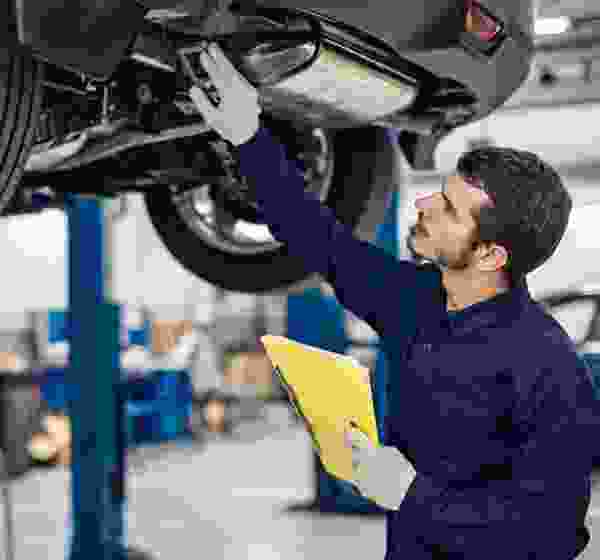
A professional brake inspection service helps identify developing concerns before they affect road safety or create more expensive repair requirements. During a detailed assessment, technicians examine key assemblies responsible for slowing and controlling movement. Early detection often reduces the likelihood of unexpected failures while supporting predictable vehicle handling. Many motorists seek assistance after noticing unusual sounds, pedal irregularities, dashboard warnings, vibration, or reduced responsiveness. Addressing these symptoms promptly can help preserve safety while avoiding additional damage to connected assemblies.
A professional brake inspection service helps identify developing concerns before they affect road safety or create more expensive repair requirements. During a detailed assessment, technicians examine key assemblies responsible for slowing and controlling movement. Early detection often reduces the likelihood of unexpected failures while supporting predictable vehicle handling. Many motorists seek assistance after noticing unusual sounds, pedal irregularities, dashboard warnings, vibration, or reduced responsiveness. Addressing these symptoms promptly can help preserve safety while avoiding additional damage to connected assemblies.
What Is Included During a Brake Inspection?
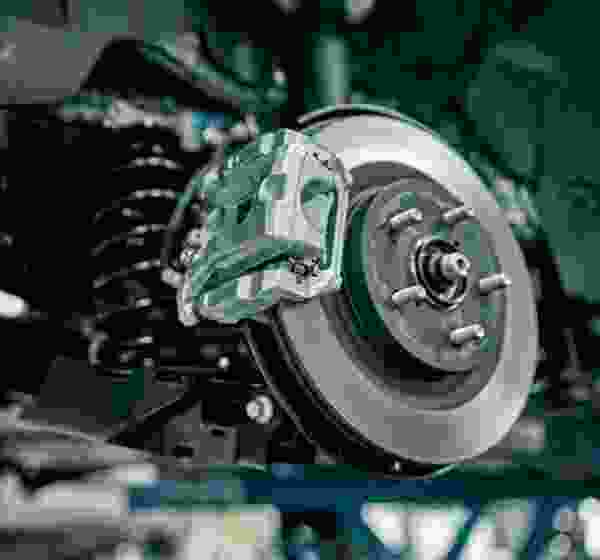
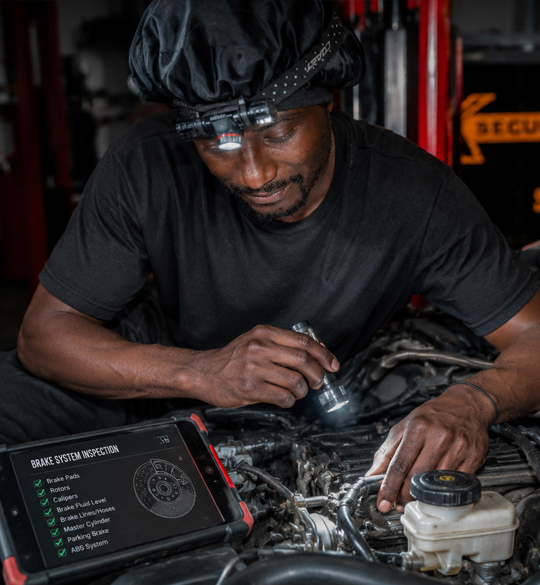
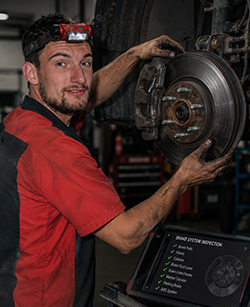
A complete brake system inspection evaluates multiple areas responsible for vehicle deceleration and control. Rather than focusing on a single component, technicians assess the condition of interconnected assemblies working together during every drive.
A typical evaluation may include
Friction material assessment
Rotor condition review
Hydraulic system examination
Caliper function verification
Brake fluid inspection
Hose and line assessment
Hardware condition review
Road performance evaluation
A thorough vehicle brake check helps determine current wear levels while identifying issues that may not be immediately noticeable during normal driving. Evaluation results create a clearer understanding of system health and help guide maintenance decisions based on actual component conditions rather than assumptions.
Why Braking Problems Develop Over Time
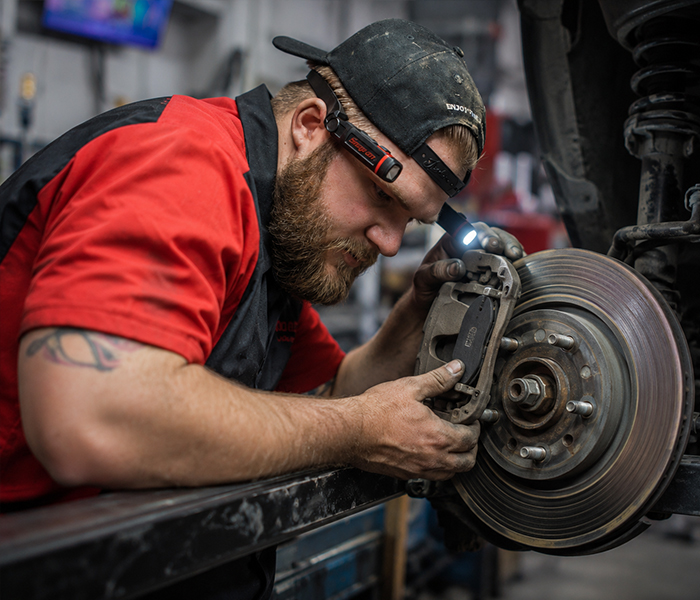
Braking assemblies operate under significant pressure and heat during daily use. Traffic congestion, repeated deceleration, steep terrain, towing demands, and environmental exposure all contribute to gradual deterioration.
Several common causes include:
Several common causes include:
- Friction material wear
- Heat-related surface damage
- Hydraulic pressure loss
- Fluid contamination
- Corroded hardware
- Sticking calipers
As these issues progress, vehicle control may become less predictable. Warning signs often appear before a major failure occurs.
Common indicators include:
Common indicators include:
- Squealing sounds
- Grinding noises
- Soft pedal feel
- Pulling during deceleration
- Dashboard warning lights
- Increased braking distance
Professional diagnosis helps identify the source of these symptoms and prevents minor concerns from escalating into larger mechanical problems.
How Brake Repair Restores Vehicle Safety and Control
Inspection findings sometimes reveal conditions requiring corrective action. A professional brake repair process addresses worn, damaged, or malfunctioning assemblies that affect responsiveness and overall driving confidence.
Depending on system condition, corrective work may involve
Friction material replacement
Rotor resurfacing or replacement
Hydraulic component repairs
Fluid exchange procedures
Hardware replacement
Caliper servicing
When Commercial Vehicles Need Brake Attention
Commercial transportation often experiences greater wear due to higher mileage, repeated stops, cargo demands, and extended operating hours. Delivery vans, contractor units, utility trucks, and service fleets place constant demands on braking assemblies throughout the workday.
Organizations operating multiple vehicles frequently schedule routine evaluations as part of broader service scheduling. Businesses searching for brake maintenance service solutions often prioritize consistency, documentation, and preventive care to reduce downtime.
Organizations operating multiple vehicles frequently schedule routine evaluations as part of broader service scheduling. Businesses searching for brake maintenance service solutions often prioritize consistency, documentation, and preventive care to reduce downtime.
Advantages may include
Improved fleet readiness
Reduced unexpected interruptions
Better maintenance forecasting
Stronger safety compliance
More predictable operating expenses
Extended component lifespan
Companies researching a brake inspection service or brake repair solutions often seek dependable maintenance schedules that support uninterrupted business activity and long-term asset preservation.
Choosing the Right Brake Service Strategy
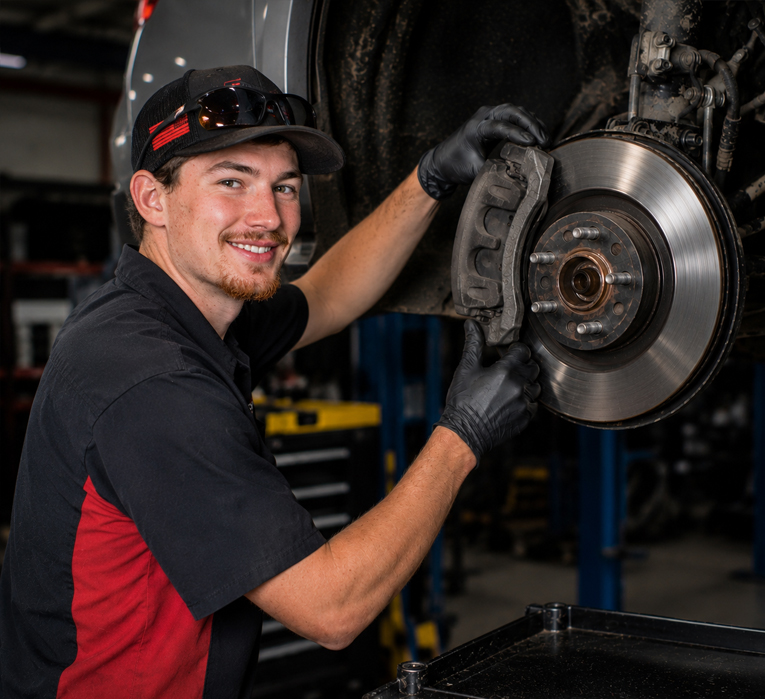
Every automobile experiences different operating conditions. Traffic density, annual mileage, driving habits, cargo loads, and environmental exposure all influence inspection frequency and repair requirements. Motorists often begin their search using terms such as brake service near me, auto brake service near me, car brake repair service, or brake repair when evaluating local service options.
Important considerations may include:
Important considerations may include:
- Diagnostic accuracy
- Inspection thoroughness
- Repair quality
- Service documentation
- Component compatibility
- Service recommendations
Drivers seeking long-term reliability often benefit from combining routine evaluations with scheduled service appointments. Consistent monitoring creates greater visibility into system health while reducing the likelihood of unexpected safety concerns.
Keep Your Braking System Ready for the Road Ahead
Unusual sounds, warning lights, pedal changes, or reduced responsiveness should never be ignored. Early diagnosis helps identify wear, hydraulic concerns, and performance issues before they affect safety or lead to larger repair expenses.
Drivers searching for dependable brake inspection service, car brake repair service, or professional brake maintenance solutions can benefit from timely evaluation and corrective action.
Drivers searching for dependable brake inspection service, car brake repair service, or professional brake maintenance solutions can benefit from timely evaluation and corrective action.
FAQs
1
How do I know if my vehicle needs a professional brake repair?Signs include squealing noises, grinding sounds, longer stopping distances, a soft pedal, vibration, or warning lights. If braking feels different than normal, a professional inspection can identify the problem and recommend repairs.
2
What is included in a professional brake inspection service?A brake inspection usually includes checking brake pads, rotors, calipers, fluid condition, brake lines, and related hardware. A road test may also be performed to evaluate overall braking performance.
3
How often should I get a brake system inspection for my car?Most vehicles should have the brakes inspected at least once a year or during routine maintenance visits. More frequent checks may be needed with heavy traffic, towing, or high-mileage driving.
4
How long does a car brake repair service take?Minor brake repairs or inspections may take about an hour. Brake pad and rotor replacement often requires several hours, while major hydraulic repairs can take longer depending on the vehicle.
5
What happens if I delay brake maintenance service?Delaying maintenance can lead to rotor damage, reduced braking performance, and higher repair costs. Worn components may also affect vehicle safety and increase stopping distances.
6
How do I know if my vehicle needs an immediate brake check?Grinding noises, a burning smell, severe vibration, warning lights, or sudden changes in pedal feel require immediate attention. Prompt inspection can help prevent additional damage and safety risks.
7
Can you perform a brake repair on all vehicle makes and models?Most repair facilities can service passenger cars, SUVs, trucks, and many imported or domestic models. Repair procedures and replacement parts vary based on the vehicle's design.
8
Are brake repair services different for SUVs vs. regular cars?Yes. SUVs often use larger braking components and may require different materials due to increased weight and load demands. Service recommendations depend on the vehicle's specific requirements.
9
What are the warning signs that I need a car brake repair service immediately?Common signs include grinding noises, a soft brake pedal, fluid leaks, longer stopping distances, vibration, or the vehicle pulling during braking. These symptoms should never be ignored.
10
How long can I drive with worn brake pads before needing brake repair?There is no safe mileage once brake pads become excessively worn. Continuing to drive can damage rotors, reduce braking efficiency, and increase repair costs. Schedule an inspection as soon as symptoms appear.