
Need Help

Lorem ipsum dolor sit amet, movet iisque luptatum per ut. Duo te sonet accusata sadipscing, mollis dissentiet an eam, te qui brute apis.



Contact Us
Follow Us
Understanding What a Check Engine Light Means
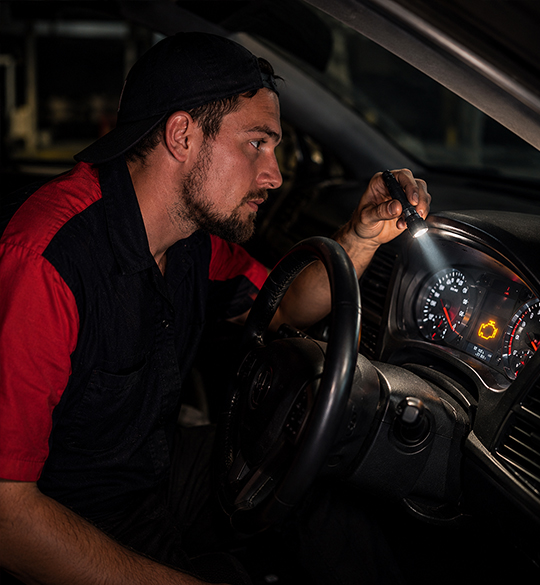
Dashboard warning indicators are designed to alert drivers when a vehicle detects an abnormal operating condition. Among these indicators, the check engine light is one of the most common and frequently one of the most misunderstood. While some issues may appear minor at first, others can signal conditions that affect fuel delivery, ignition performance, emissions systems, airflow management, or electronic controls.
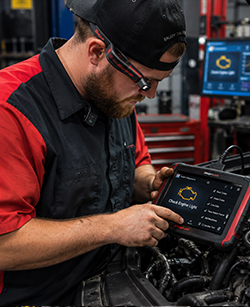
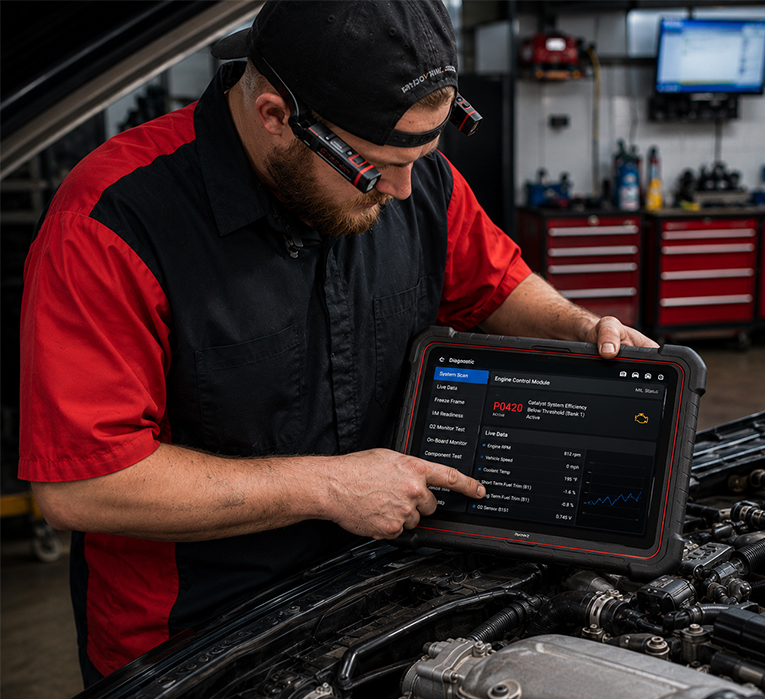
A professional check engine light diagnosis helps identify the exact source of a warning indicator rather than relying on assumptions. Modern automobiles continuously monitor dozens of sensors and control modules. When operating values move outside expected parameters, the onboard computer records fault information and activates a dashboard alert. Accurate testing allows technicians to locate the root cause, helping vehicle owners make informed maintenance decisions while avoiding unnecessary component replacement.
A professional check engine light diagnosis helps identify the exact source of a warning indicator rather than relying on assumptions. Modern automobiles continuously monitor dozens of sensors and control modules. When operating values move outside expected parameters, the onboard computer records fault information and activates a dashboard alert. Accurate testing allows technicians to locate the root cause, helping vehicle owners make informed maintenance decisions while avoiding unnecessary component replacement.
Why Engine Warning Lights Appear
A warning indicator can illuminate due to a wide range of conditions. Some originate from electronic systems, while others result from mechanical wear, airflow restrictions, emissions concerns, fuel delivery irregularities, or ignition-related faults.
Common causes include
Sensor failures
Vacuum leaks
Ignition system concerns
Fuel delivery irregularities
Air intake restrictions
Emissions system malfunctions
Loose or damaged fuel caps
Electrical communication faults
Many drivers assume every warning light signals a major mechanical issue. Diagnostic testing is necessary to identify the actual cause. A professional engine warning light diagnosis evaluates fault information and system performance data to identify the condition responsible for triggering the alert.
How Diagnostic Testing Identifies the Problem
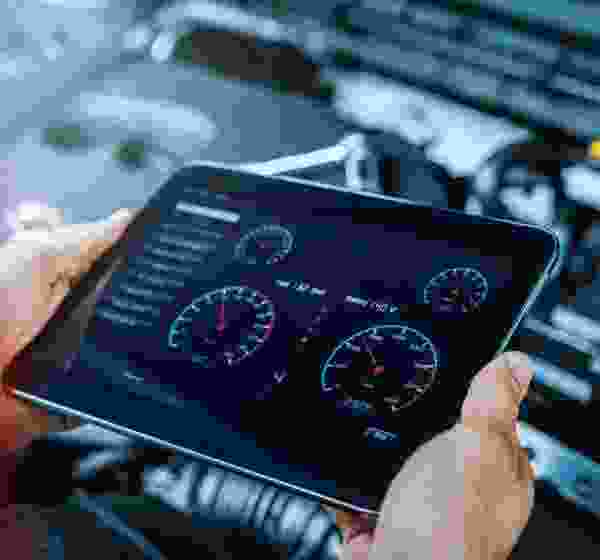
Modern vehicles generate detailed operating information that helps technicians locate irregularities quickly and accurately. Diagnostic procedures involve more than simply reading a fault code.
A typical evaluation may include:
A typical evaluation may include:
- Computerized code retrieval
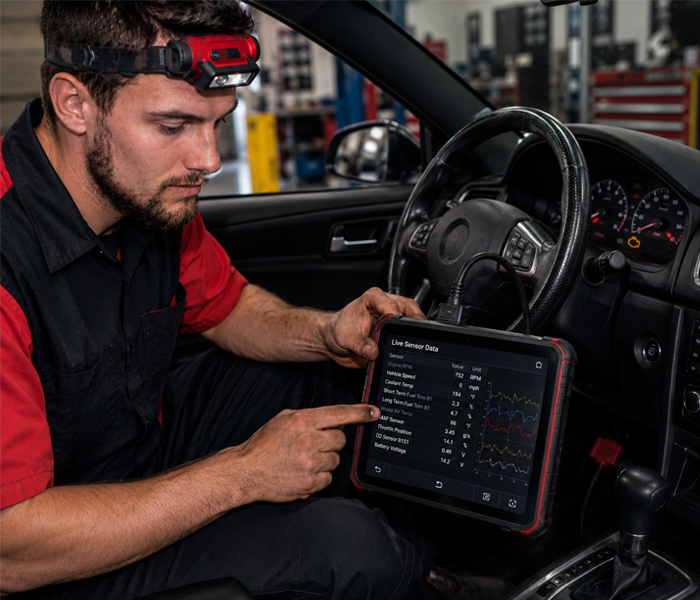
- Live sensor data review
- Electrical circuit testing
- System communication analysis
- Fuel system evaluation
- Ignition performance assessment
- Road-operation verification
- Control module inspection
A detailed car diagnostic scan helps determine whether an issue originates from an isolated component, a communication fault, a performance-related condition, or a larger system irregularity. Combining digital analysis with physical inspection creates a clearer understanding of overall vehicle condition.
What Happens After the Cause Is Identified?
Once testing confirms the source of the warning indicator, technicians can recommend the most appropriate corrective action. Repair requirements vary according to the condition identified during evaluation.
Possible corrective measures may include
Sensor replacement
Ignition system servicing
Fuel system correction
Electrical repairs
Air intake restoration
Emissions-related component replacement
Software updates
Connector or wiring repairs
A professional check engine light repair process addresses verified issues rather than replacing parts based on trial and error. This targeted approach helps improve repair accuracy while reducing unnecessary expenses.
Why Prompt Attention Helps Prevent Larger Repairs
Many vehicle owners continue driving after a warning indicator appears because the automobile seems to operate normally. However, some conditions can worsen over time and place additional strain on related assemblies.
Potential consequences of delaying service may include
Reduced fuel efficiency
Increased emissions output
Performance loss
Additional component wear
Unexpected drivability issues
Higher future repair costs
A timely engine warning light repair strategy helps address developing issues before they expand into more extensive mechanical problems. Early intervention often reduces overall maintenance expenses while improving long-term reliability.
When Should Diagnostic Service Be Scheduled?
Any active dashboard warning indicator deserves professional evaluation. Immediate testing is especially important when accompanied by noticeable performance changes, unusual sounds, rough operation, starting difficulties, or reduced responsiveness.
Drivers commonly schedule inspections after noticing:
Drivers commonly schedule inspections after noticing:
- Illuminated warning indicators
- Intermittent warning lights
- Reduced acceleration
- Rough idle conditions
- Unexpected stalling
- Poor fuel economy
- Starting irregularities
Many motorists searching online for engine light on repair information are trying to understand why a dashboard warning indicator appears without obvious symptoms. Diagnostic testing helps eliminate uncertainty by identifying the source of the issue and establishing a clear path toward correction.
Get Answers Before a Warning Light Leads to Bigger Problems
Dashboard indicators are designed to alert drivers when operating conditions move outside normal ranges. Ignoring these alerts can allow minor issues to develop into larger and more expensive repairs.
Professional evaluation can uncover hidden faults, verify system performance, and recommend the most effective corrective action based on accurate diagnostic information.
Professional evaluation can uncover hidden faults, verify system performance, and recommend the most effective corrective action based on accurate diagnostic information.
FAQs
1
What is a check engine light diagnostic?A check engine light diagnostic is a testing process used to identify why the dashboard warning indicator has turned on. Technicians use specialized equipment to retrieve fault codes and evaluate system performance. The process helps locate the underlying issue before repairs begin.
2
What does a check engine light diagnosis include?The service typically includes fault-code retrieval, live sensor data analysis, system testing, and a visual inspection of related components. Technicians may also perform electrical and performance checks. The goal is to identify the exact cause of the warning light.
3
Can I drive my car if the check engine light is on?If the light is steady and the vehicle operates normally, limited driving may be possible until an inspection is scheduled. However, a flashing check engine light often indicates a serious problem that requires immediate attention. Prompt diagnosis helps prevent additional damage.
4
What is the difference between a check engine light and an engine warning light?The check engine light is a type of engine warning indicator that signals a fault detected by the vehicle's computer system. Some vehicles use additional warning messages or symbols depending on the severity of the issue. Both indicate that professional evaluation is needed.
5
Why do I need an engine warning light diagnosis immediately?Some faults can worsen quickly and affect performance, fuel economy, or emissions. Early diagnosis helps identify the issue before it leads to larger mechanical problems or expensive repairs. Immediate attention is especially important if performance changes accompany the warning light.
6
How often should I get an engine light scan as preventive maintenance?An engine scan can be beneficial during routine maintenance visits or before long trips. Preventive diagnostics may uncover hidden issues that have not yet triggered noticeable symptoms. Regular testing helps support long-term vehicle reliability.
7
Can a loose gas cap trigger the check engine light?Yes. A loose, damaged, or improperly sealed gas cap can affect the emissions system and trigger the check engine light. Tightening or replacing the cap may resolve the issue, although diagnostic testing can confirm if another problem is present.
8
Why is my engine light on but my car runs fine?Some faults do not immediately affect drivability. Issues involving emissions components, sensors, or minor system irregularities can trigger the warning light while the vehicle still appears to operate normally. Diagnostic testing helps identify the exact cause.
9
Why is my car failing emissions even after an engine light scan?A scan identifies fault codes, but additional repairs or system readiness procedures may still be required. Some emissions monitors need time to reset after repairs. Further testing may also reveal issues that were not immediately apparent during the initial scan.
10
How do mechanics actually perform an engine warning light diagnosis?Technicians connect diagnostic equipment to the vehicle's computer system to retrieve fault codes and analyze live operating data. They then inspect related components, perform additional tests if necessary, and verify the source of the problem before recommending repairs.