Need Help

Lorem ipsum dolor sit amet, movet iisque luptatum per ut. Duo te sonet accusata sadipscing, mollis dissentiet an eam, te qui brute apis.





Contact Us
Follow Us
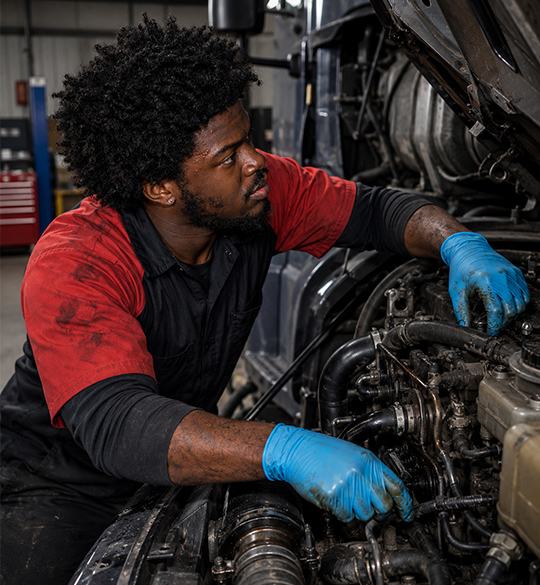

Enhancing Power and Efficiency Through Professional Diesel Performance Service
Diesel engines are built to deliver strong torque, dependable pulling power, and long operating life. Over time, however, fuel system contamination, sensor wear, airflow restrictions, and electronic calibration changes can reduce overall efficiency and responsiveness. Even a well-maintained diesel engine may gradually lose performance as mileage accumulates and operating demands increase.
Professional diesel performance service helps restore engine capability by evaluating the systems that influence combustion, fuel delivery, turbocharger operation, and electronic controls. Drivers often seek assistance after noticing reduced power, excessive smoke, poor fuel economy, delayed acceleration, or heavy-load performance concerns. Proper evaluation can improve drivability while supporting long-term engine reliability.
Professional diesel performance service helps restore engine capability by evaluating the systems that influence combustion, fuel delivery, turbocharger operation, and electronic controls. Drivers often seek assistance after noticing reduced power, excessive smoke, poor fuel economy, delayed acceleration, or heavy-load performance concerns. Proper evaluation can improve drivability while supporting long-term engine reliability.
What Is Included During a Diesel Performance Evaluation?
Diesel performance testing involves much more than scanning fault codes or replacing worn components. Modern diesel platforms rely on precise communication between mechanical and electronic systems.
A comprehensive evaluation may include
Fuel system analysis
Turbocharger inspection
Air intake assessment
Sensor testing
Injector performance checks
Computer diagnostics
Exhaust system evaluation
Road-performance verification
A professional diesel engine tuning assessment identifies limitations affecting power output and determines which adjustments may improve overall engine operation. Detailed testing can also reveal developing issues before they contribute to expensive repairs.
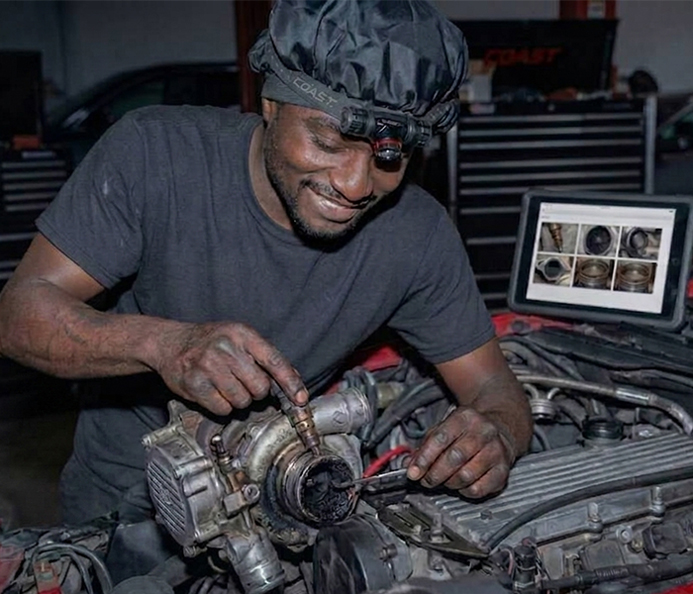
Why Diesel Engine Performance Declines Over Time
Diesel engines operate under demanding conditions involving heat, pressure, and continuous load changes. Internal components gradually experience wear that can influence efficiency and responsiveness.
Common causes of declining performance include:
Common causes of declining performance include:
- Carbon accumulation
- Fuel injector contamination
- Sensor deterioration
- Airflow restrictions
- Turbocharger wear
- Electronic calibration irregularities
Several warning signs may indicate that service is beneficial:
- Reduced pulling power
- Excessive exhaust smoke
- Poor fuel economy
- Delayed throttle response
- Rough idling
- Increased engine noise
Many owners seeking diesel engine repair solutions discover that minor performance concerns often originate from several interconnected systems rather than one failed component.
How Diesel Performance Service Improves Engine Operation
A properly operating diesel engine delivers balanced power, efficient fuel usage, and smooth acceleration. Correcting airflow, fuel delivery, and electronic management concerns can significantly improve performance.
Potential benefits may include
Better throttle response
Improved torque delivery
Reduced exhaust smoke
Enhanced fuel efficiency
Smoother acceleration
More consistent operation
Understanding Tuning, Calibration, and Performance Adjustments
Modern diesel platforms depend heavily on electronic control modules that regulate fuel injection timing, turbocharger operation, and emissions management. Small changes in calibration can influence how an engine performs.
Technical evaluations may review
Fuel mapping
Injection timing
Sensor communication
Airflow readings
Turbocharger response
System adaptability
A professional diesel performance shop uses diagnostic information to determine the most appropriate adjustments based on actual operating conditions. Correct calibration can improve engine response, optimize fuel usage, and support consistent performance across varying operating conditions.
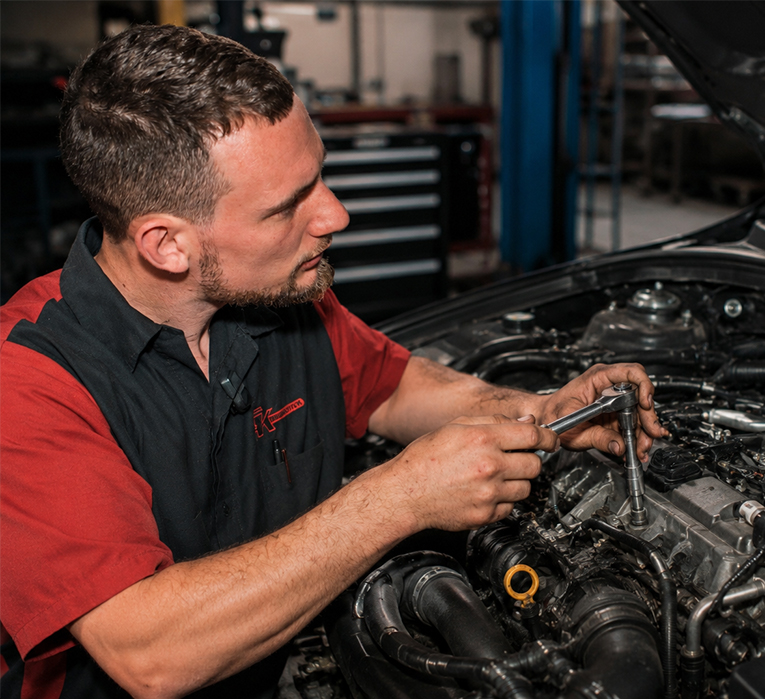
When Should Diesel Performance Service Be Scheduled?
Performance concerns often develop gradually and become more noticeable over time. Routine evaluation can help identify efficiency losses before they affect reliability or create larger mechanical issues.
Situations commonly prompting service include:
Situations commonly prompting service include:
- Reduced towing capability
- Poor acceleration
- Increased fuel consumption
- Excessive exhaust smoke
- High accumulated mileage
- After major engine repairs
Many owners searching online for diesel engine service information are looking for solutions related to power loss, reduced efficiency, and drivability concerns. Early evaluation can uncover developing issues before they contribute to expensive repairs.
Restore Diesel Power and Improve Engine Efficiency
Reduced pulling power, excessive smoke, delayed acceleration, and declining fuel economy often indicate that critical diesel systems require attention. Ignoring these symptoms can increase operating costs and allow minor concerns to develop into major repairs.
Professional evaluation can verify engine condition, identify efficiency losses, and recommend the most appropriate corrective action based on accurate diagnostic findings.
Professional evaluation can verify engine condition, identify efficiency losses, and recommend the most appropriate corrective action based on accurate diagnostic findings.
FAQs
1
What is included in a standard diesel engine service?A standard diesel service typically includes an oil and filter change, fuel filter replacement, fluid inspections, battery testing, and diagnostic checks. Technicians may also inspect the air intake, turbocharger, and belts. Regular service helps maintain performance and reliability.
2
How does diesel engine tuning improve vehicle performance?Diesel engine tuning can improve throttle response, torque delivery, and fuel efficiency. It adjusts engine operating parameters to optimize power and drivability. Proper tuning can also reduce lag and improve towing performance.
3
What are the most effective diesel performance upgrades for daily driving and towing?Common upgrades include ECU tuning, high-flow air filters, improved exhaust systems, and upgraded intercoolers. These modifications can increase torque and improve responsiveness. The best upgrades depend on vehicle use and towing demands.
4
What are the primary warning signs that a vehicle requires a diesel engine repair?Common signs include excessive smoke, hard starting, reduced power, rough idling, and poor fuel economy. Warning lights and unusual engine noises can also indicate problems. Early diagnosis can help prevent more extensive repairs.
5
How does truck performance tuning benefit heavy-duty towing?Performance tuning can improve low-end torque and throttle response, making towing smoother and more efficient. It may also reduce gear hunting and improve pulling capability. Proper calibration helps support consistent performance under load.
6
What should a vehicle owner look for when choosing a diesel performance shop?Look for experienced technicians, advanced diagnostic equipment, quality parts, and clear service recommendations. A reputable shop should understand diesel systems and provide solutions based on testing rather than assumptions.
7
Can a diesel performance service help improve fuel efficiency?Yes. Correcting fuel delivery issues, airflow restrictions, and calibration concerns can improve engine efficiency. Results vary depending on vehicle condition and driving habits, but many owners notice better fuel economy after service.
8
Is diesel engine tuning legal for street-driven vehicles?Legality depends on local emissions regulations and the type of modifications performed. Some tuning options are designed to remain emissions compliant, while others may not meet road-use requirements. Always verify applicable regulations before modifications.
9
Why is fuel filter replacement emphasized during a diesel engine service?Diesel fuel systems are highly sensitive to contamination. A clean fuel filter helps protect injectors and maintain proper fuel flow. Replacing the filter regularly can improve reliability and reduce the risk of expensive fuel system repairs.
10
Does truck performance tuning place extra stress on an automatic transmission?Aggressive tuning can increase drivetrain loads and may place additional stress on the transmission. Properly calibrated tuning that stays within component limits is generally safer. Transmission condition should always be considered before performance modifications.