
Need Help

Lorem ipsum dolor sit amet, movet iisque luptatum per ut. Duo te sonet accusata sadipscing, mollis dissentiet an eam, te qui brute apis.

Contact Us
Follow Us
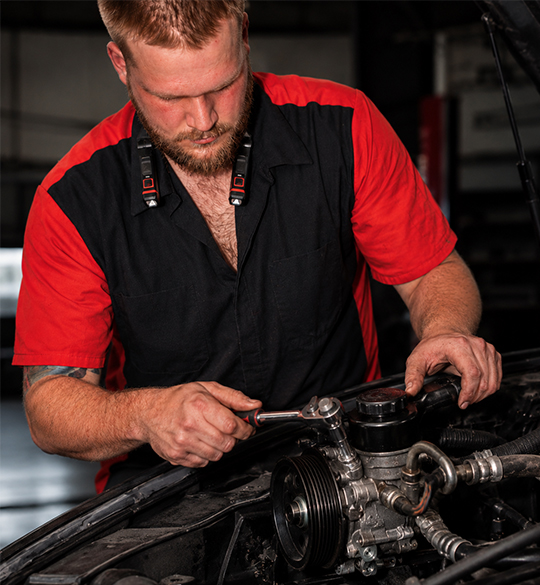
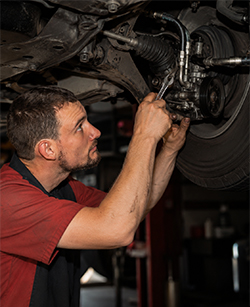
Professional Power Steering Service & Repair Solutions
Steering systems allow drivers to guide a vehicle accurately while maintaining control during daily travel, highway driving, parking maneuvers, and directional changes. Modern automobiles rely on hydraulic or electric-assisted components to reduce steering effort and improve responsiveness. When these assemblies begin experiencing wear, fluid degradation, pressure loss, or mechanical deterioration, steering behavior can become less predictable and more difficult to manage.
A professional power steering service helps maintain smooth steering operation while supporting vehicle stability and driver confidence. Many concerns develop gradually, making them easy to overlook during normal driving. Unusual noises, increased steering effort, fluid leakage, vibration, or inconsistent response often indicate developing issues requiring attention. Early diagnosis helps reduce strain on connected components while supporting dependable handling characteristics.
A professional power steering service helps maintain smooth steering operation while supporting vehicle stability and driver confidence. Many concerns develop gradually, making them easy to overlook during normal driving. Unusual noises, increased steering effort, fluid leakage, vibration, or inconsistent response often indicate developing issues requiring attention. Early diagnosis helps reduce strain on connected components while supporting dependable handling characteristics.
What Does a Power Steering System Do?
A steering assist system reduces the amount of physical effort required to turn the wheels. Depending on vehicle design, hydraulic pressure or electronic assistance works alongside steering components to improve directional control and maneuverability.
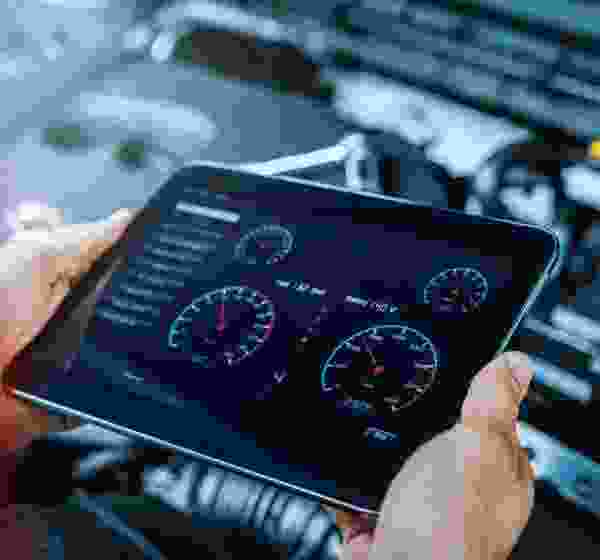
A comprehensive evaluation may include
Fluid condition analysis
Pressure assessment
Hose inspection
Pump performance review
Rack examination
Belt evaluation
Connection inspection
Road-test observations
A complete system assessment helps determine how effectively assist components operate under real-world driving conditions. Inspection findings often reveal wear patterns and developing concerns before noticeable drivability issues become more severe.
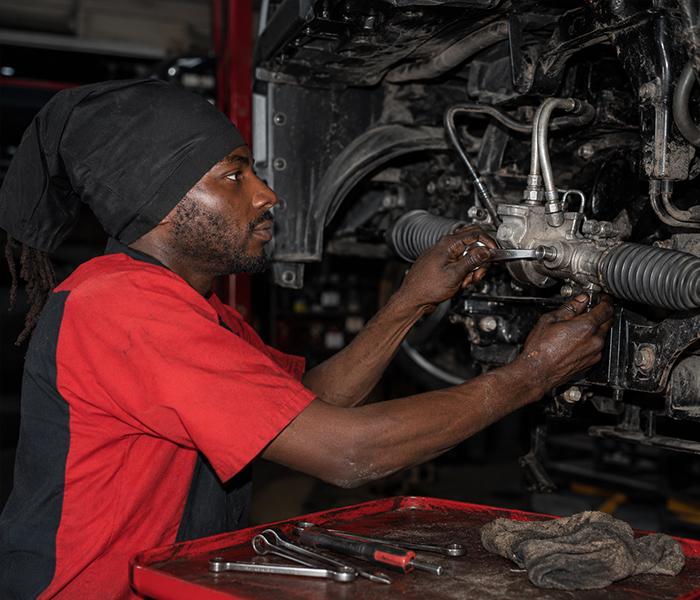
Why Steering Problems Develop Over Time
Steering assemblies operate continuously whenever a vehicle is in motion. Internal seals, hoses, pumps, gears, and related hardware experience ongoing stress from temperature changes, mileage accumulation, and daily use.
Common causes include:
Common causes include:
- Fluid contamination
- Seal deterioration
- Pressure loss
- Pump wear
- Hose degradation
- Component aging
Several warning signs may indicate developing concerns:
- Whining noises
- Fluid leaks
- Delayed response
- Increased steering effort
- Vibration during turning
- Uneven directional feel
Drivers researching hard steering repair frequently discover that steering effort changes often originate from multiple interacting components rather than a single failed part.
How Professional Service Restores Steering Response
Accurate diagnosis is essential when steering behavior changes. Replacing components without identifying the actual source can increase costs while leaving the original concern unresolved.
Potential corrective measures may include
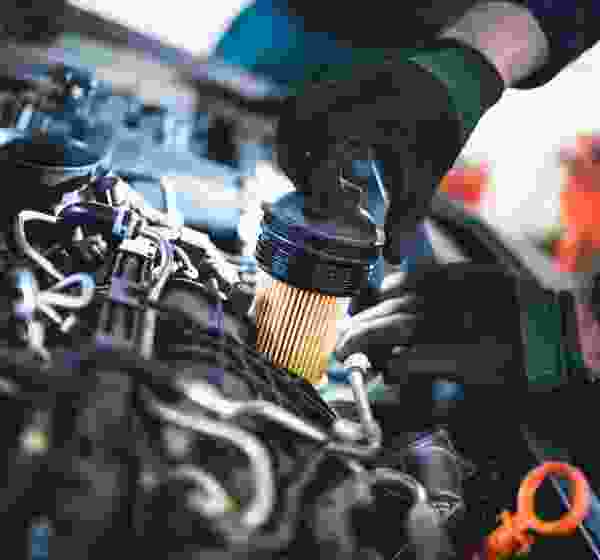
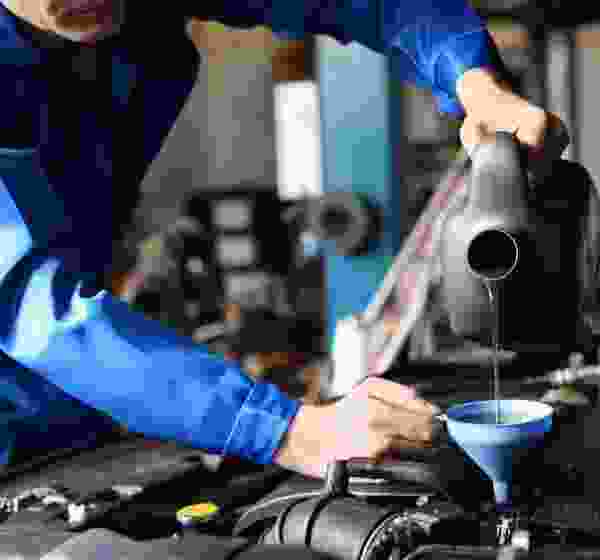
Fluid renewal
Pressure testing
Leak correction
Component adjustment
Pump replacement
Rack servicing
Understanding Power Steering Repair Requirements
Not every steering concern requires major component replacement. Some conditions can be corrected through maintenance procedures, while others involve repairs affecting hydraulic or mechanical assemblies.
Inspection findings frequently evaluate
Fluid quality
Pressure consistency
Pump operation
Rack condition
Hose integrity
System responsiveness
A professional power steering repair recommendation depends on verified component condition rather than assumptions. Careful analysis helps identify underlying concerns while establishing the most effective path toward restoring handling precision. Motorists seeking power steering repair services often benefit from detailed testing that isolates the actual source of steering irregularities before corrective work begins.
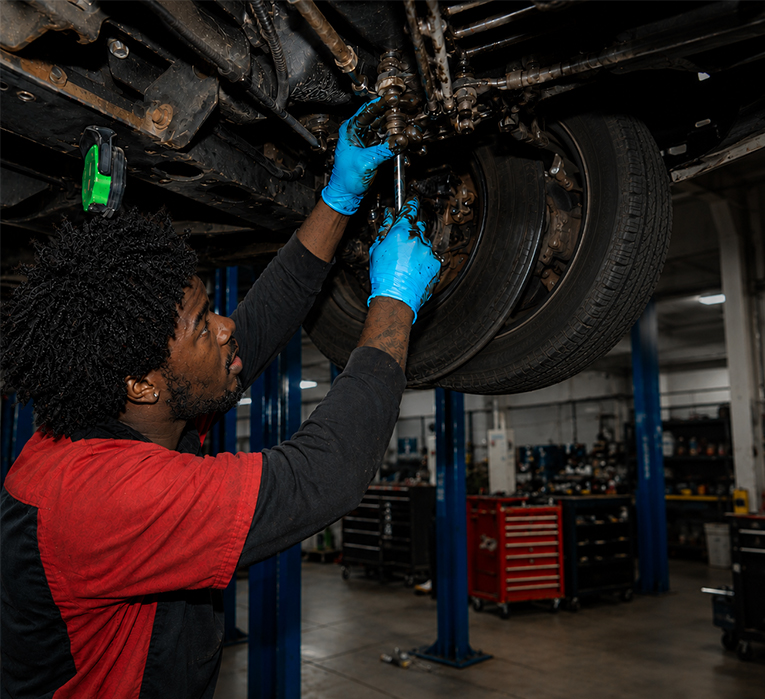
When Should Steering Components Be Evaluated?
Steering concerns rarely improve without attention. Small changes can gradually become more noticeable as wear progresses throughout related assemblies.
Situations commonly prompting inspection include:
Situations commonly prompting inspection include:
- Fluid leakage
- Steering vibration
- Unusual sounds
- Resistance during turning
- Inconsistent wheel response
- Reduced maneuverability
Drivers searching online for steering system repair information are often attempting to understand symptoms affecting vehicle control. A detailed evaluation can identify developing concerns before they contribute to additional wear affecting related suspension or steering assemblies. Many vehicle owners also include hydraulic fluid maintenance within broader vehicle care schedules to support long-term reliability and component protection.
Maintain Smooth Steering and Confident Vehicle Control
Increased steering effort, fluid leaks, unusual sounds, or inconsistent directional response often indicate developing concerns within steering assist components. Ignoring these symptoms can place additional strain on connected assemblies and reduce overall driving confidence.
Professional inspection can verify system condition, identify wear patterns, and determine the most appropriate corrective solution based on accurate diagnostic findings.
Professional inspection can verify system condition, identify wear patterns, and determine the most appropriate corrective solution based on accurate diagnostic findings.
FAQs
1
What is included in a professional power steering service?A power steering service typically includes fluid inspection, leak detection, pump evaluation, hose checks, and system performance testing. The goal is to maintain smooth and reliable steering operation.
2
How often should a car get a power steering fluid change?Service intervals vary by vehicle, but many manufacturers recommend inspecting the fluid during routine maintenance and replacing it according to the owner's manual or when contamination is found.
3
Is a power steering fluid change necessary if there are no visible leaks?Yes. Power steering fluid can break down and become contaminated over time, even without leaks. Replacing old fluid helps protect internal components and maintain proper steering performance.
4
What are the benefits of scheduling regular power steering service?Regular service can improve steering response, reduce component wear, prevent expensive repairs, and help extend the life of pumps, hoses, and steering gears.
5
What are the primary signs that a vehicle needs power steering repair?Common signs include stiff steering, fluid leaks, whining noises, vibration while turning, and delayed steering response. These symptoms should be inspected promptly.
6
Why is the steering wheel stiff and how do you perform a hard steering repair?Stiff steering can result from low fluid, pump problems, leaks, or damaged steering components. Repair begins with diagnosing the cause and correcting the faulty part.
7
What causes a whining noise when turning, and what power steering repair services fix it?A whining sound is often caused by low fluid, air in the system, or a worn pump. Repairs may involve fluid replacement, leak repairs, or pump replacement.
8
What happens if a driver ignores an essential steering system repair?Ignoring steering problems can lead to reduced vehicle control, increased component wear, and more expensive repairs. In severe cases, steering performance may become unsafe.
9
What is the difference between a minor adjustment and a full steering system repair?Minor repairs may involve fluid service or small adjustments, while major repairs can include replacing pumps, racks, hoses, or other steering components.
10
What are the top causes of fluid leaks that lead to power steering repair?Common causes include worn seals, damaged hoses, loose connections, corrosion, and aging components. Repairing leaks early helps prevent pump damage and steering failure.