
Need Help

Lorem ipsum dolor sit amet, movet iisque luptatum per ut. Duo te sonet accusata sadipscing, mollis dissentiet an eam, te qui brute apis.

Contact Us
Follow Us
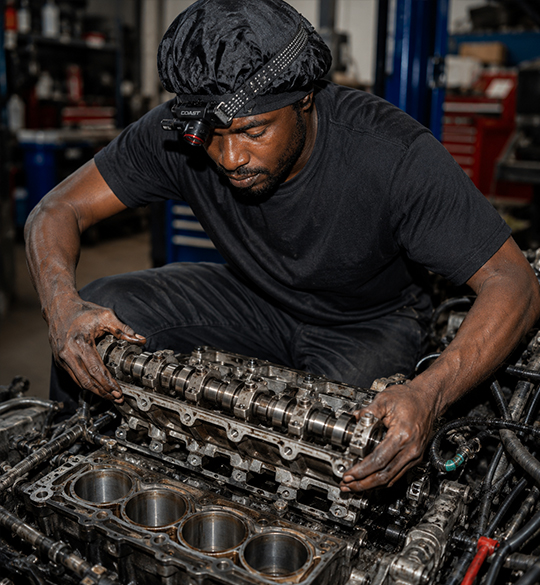
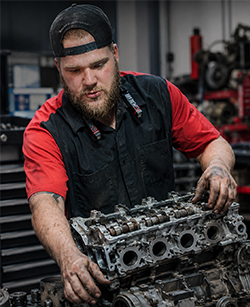
Restoring Internal Performance Through Professional Engine Rebuild Solutions
An engine contains hundreds of moving parts that operate under constant heat, pressure, and friction. Over time, pistons, bearings, rings, valves, and seals gradually wear and begin affecting efficiency and reliability. Severe wear does not always mean an entire engine must be replaced. In many situations, rebuilding internal components can restore performance while preserving the original engine assembly.
Professional engine rebuild service helps address internal damage by disassembling, inspecting, and renewing worn parts that no longer meet operating specifications. Drivers often seek rebuilding after excessive oil consumption, knocking sounds, loss of power, low compression, or repeated overheating events. Proper evaluation helps determine if rebuilding is the most effective long-term solution for restoring engine dependability.
Professional engine rebuild service helps address internal damage by disassembling, inspecting, and renewing worn parts that no longer meet operating specifications. Drivers often seek rebuilding after excessive oil consumption, knocking sounds, loss of power, low compression, or repeated overheating events. Proper evaluation helps determine if rebuilding is the most effective long-term solution for restoring engine dependability.
What Does an Engine Rebuild Actually Include?
An engine rebuild involves removing worn internal components, inspecting critical assemblies, and restoring the engine to dependable operating condition. The process is far more detailed than basic repairs because multiple systems are evaluated at the same time.
A comprehensive assessment may include
Compression testing
Cylinder inspection
Bearing examination
Crankshaft evaluation
Valve train assessment
Oil system analysis
Cooling system review
Electronic diagnostics
A professional car engine overhaul service determines the extent of internal wear and identifies components requiring restoration or replacement. Detailed testing can also uncover hidden conditions that contributed to internal engine wear.
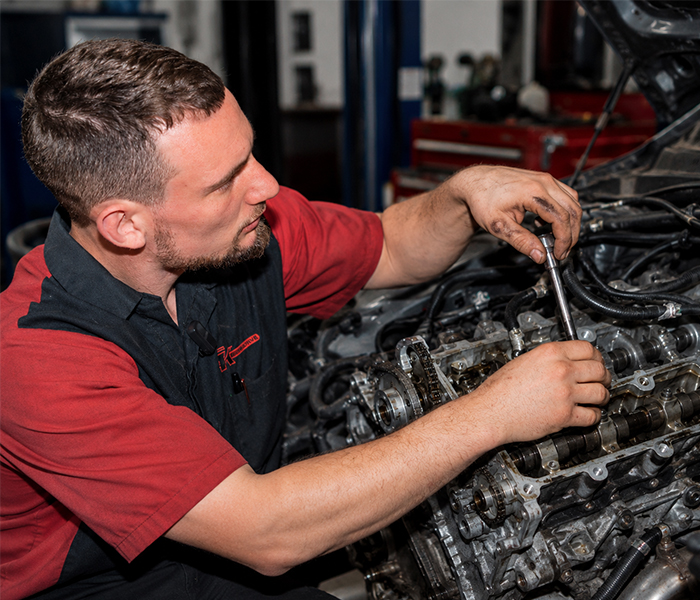
Why Internal Engine Damage Develops Over Time
Every combustion cycle generates heat and mechanical stress. As mileage increases, normal wear gradually affects precision tolerances inside the engine.
Common causes include:
Common causes include:
- Oil contamination
- Cooling failures
- Delayed maintenance
- Lubrication loss
- Internal corrosion
- Excessive overheating
Several warning signs may indicate major internal wear:
- Knocking noises
- Blue exhaust smoke
- Increased oil usage
- Reduced acceleration
- Low compression
- Difficult starting
Many vehicle owners investigating engine reconditioning discover that multiple worn components often contribute to declining performance rather than a single failed part.
How Rebuilding Restores Performance and Reliability
An engine operates efficiently only when internal components remain within proper specifications. Excessive wear can reduce compression, increase friction, and create poor combustion characteristics.
Potential advantages may include
Improved compression
Better fuel efficiency
Reduced oil consumption
Smoother operation
More consistent power delivery
Increased reliability
Understanding Rebuild, Reconditioning, and Replacement Options
Not every engine requires complete replacement. Some engines remain excellent candidates for rebuilding because major structural components still meet acceptable specifications.
Technical evaluations often consider
Block condition
Cylinder wear
Crankshaft integrity
Bearing damage
Repair history
Vehicle age
A professional engine overhaul may include machining services, component replacement, and precise reassembly procedures designed to restore factory operating standards. In other situations, severe block damage or catastrophic failure may make complete replacement the more practical solution. Understanding these differences helps vehicle owners make informed decisions based on actual engine condition rather than assumptions.
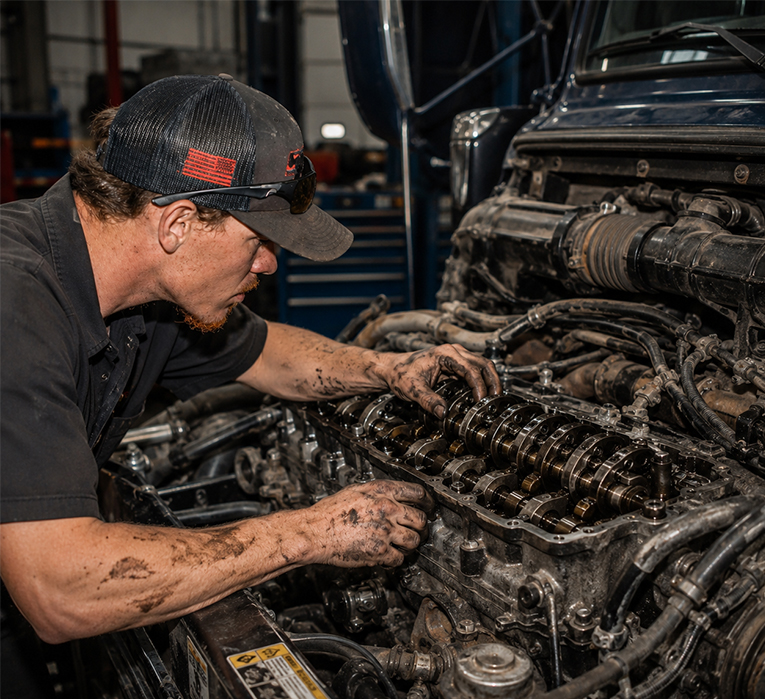
When Should an Engine Rebuild Be Considered?
Internal engine concerns generally become more noticeable as wear progresses. Ignoring early symptoms can allow additional damage to affect related systems and increase repair costs.
Situations commonly prompting evaluation include:
Situations commonly prompting evaluation include:
- Persistent overheating
- Excessive exhaust smoke
- Low oil pressure
- Compression loss
- Internal noises
- Repeated breakdowns
Many motorists researching rebuilding solutions are attempting to restore reliability while avoiding the expense of complete replacement. Early diagnosis can identify rebuilding opportunities before internal damage progresses beyond economical repair.
Restore Performance With Professional Engine Rebuild Solutions
Excessive oil consumption, knocking sounds, compression loss, and declining performance often indicate significant internal wear. Ignoring these symptoms can lead to complete engine failure and more extensive repairs.
Professional evaluation can verify internal condition, identify damaged components, and determine if rebuilding offers the most effective path toward restoring dependable long-term operation.
Professional evaluation can verify internal condition, identify damaged components, and determine if rebuilding offers the most effective path toward restoring dependable long-term operation.
FAQs
1
What is included in a standard car engine overhaul?A standard engine overhaul typically includes disassembly, inspection, cleaning, replacement of worn parts, machining services, and reassembly. Components such as bearings, rings, gaskets, and seals are commonly replaced to restore engine performance and reliability.
2
How long does a professional engine rebuild service typically take?Most engine rebuild projects take several days, depending on engine condition, parts availability, and machining requirements. Additional repairs or severe internal damage may extend the completion time.
3
What is the difference between an engine rebuild and an engine replacement?An engine rebuild restores the original engine by replacing worn internal parts. Engine replacement involves removing the existing engine and installing another unit. The best option depends on the extent of internal damage.
4
What are the clear signs that a vehicle requires an engine rebuild?Common signs include excessive oil consumption, low compression, knocking sounds, blue exhaust smoke, repeated overheating, and loss of power. Frequent engine failures may also indicate severe internal wear.
5
What is the difference between engine reconditioning and a complete engine overhaul?Engine reconditioning usually addresses specific worn components and restores performance. A complete overhaul involves extensive disassembly and replacement of multiple internal parts to renew the engine more comprehensively.
6
Is a motor rebuild service worth the investment compared to buying a new vehicle?A rebuild can be cost-effective when the rest of the vehicle remains in good condition. Restoring the existing engine often costs less than purchasing another vehicle and can provide many additional years of dependable service.
7
How many miles will a vehicle last after undergoing an engine reconditioning process?A properly rebuilt engine can last many thousands of additional miles when maintained correctly. Actual lifespan depends on driving habits, maintenance practices, and the quality of the rebuilding process.
8
What primary factors cause a vehicle to need an engine overhaul?Common causes include overheating, poor maintenance, oil starvation, coolant contamination, internal wear, and lubrication failures. These conditions can damage major engine components and reduce reliability.
9
Can a vehicle be driven at high speeds immediately after a motor rebuild service?No. Rebuilt engines generally require a break-in period to allow new components to seat properly. Following the recommended operating guidelines helps ensure long-term reliability and performance.
10
Can engine overheating damage internal engine components?Yes. Severe overheating can damage pistons, bearings, cylinder heads, gaskets, and other critical parts. Prompt attention to cooling system problems can help prevent major engine damage and expensive repairs.