Need Help

Lorem ipsum dolor sit amet, movet iisque luptatum per ut. Duo te sonet accusata sadipscing, mollis dissentiet an eam, te qui brute apis.




Contact Us
Follow Us
Professional Oil & Filter Change Services
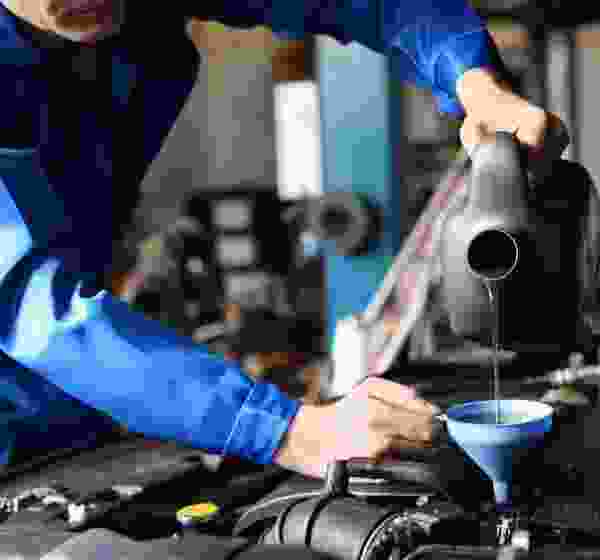
An engine contains hundreds of moving components working together under high temperatures and constant pressure. Clean oil and an effective filter play a critical role in protecting these parts from premature wear, contamination, and excessive friction. A scheduled oil and filter service keeps vital moving parts properly lubricated, reduces unnecessary friction, and promotes dependable performance across daily driving conditions.
Heat, moisture, combustion residue, and airborne particles gradually affect lubricant quality. As fluid quality declines, circulation becomes less efficient and internal parts experience greater operating stress. Replacing aged lubricant and installing a new filter restores proper fluid flow and improves overall performance during daily use. Routine upkeep remains one of the most practical ways to limit repair expenses and extend the lifespan of critical mechanical assemblies.
Heat, moisture, combustion residue, and airborne particles gradually affect lubricant quality. As fluid quality declines, circulation becomes less efficient and internal parts experience greater operating stress. Replacing aged lubricant and installing a new filter restores proper fluid flow and improves overall performance during daily use. Routine upkeep remains one of the most practical ways to limit repair expenses and extend the lifespan of critical mechanical assemblies.
What Is Included in an Oil & Filter Change Service?
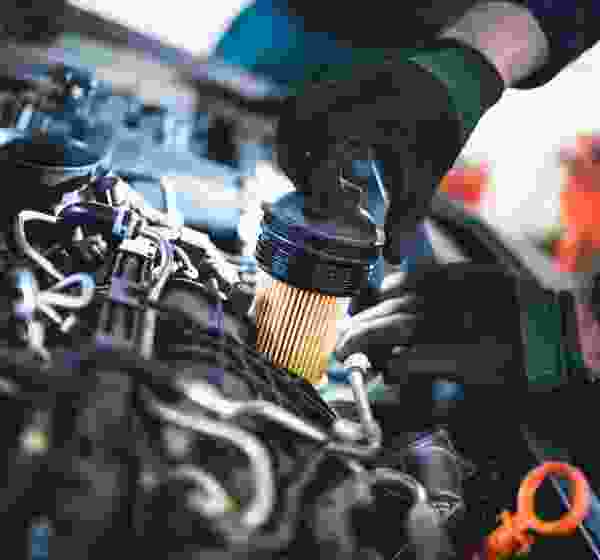
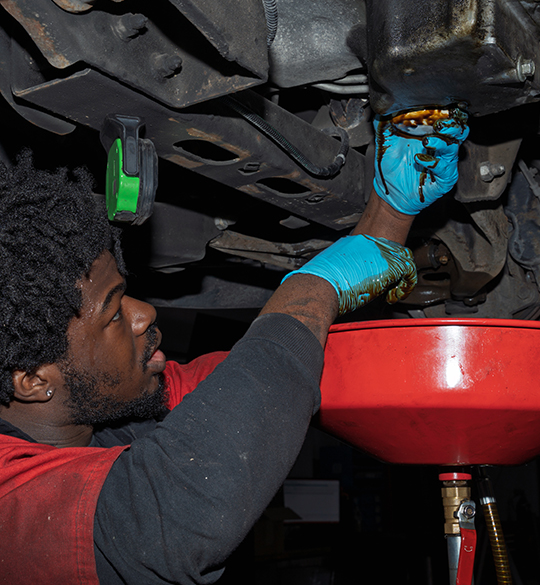
An oil change service includes several important steps designed to keep internal systems operating efficiently. The procedure includes draining contaminated lubricant, replacing the filter, and refilling the crankcase with manufacturer-specified oil.
An appointment includes
Removal of used motor oil
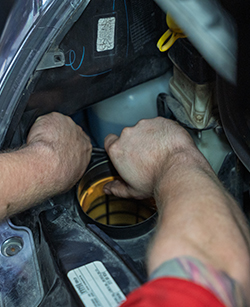
Replacement of the oil filter
Installation of recommended oil
Inspection of visible leaks
Fluid level verification
Examination of belts and hoses
The filtration element captures contaminants before they reach precision-machined assemblies. Once the filter reaches capacity, circulation efficiency declines and fresh lubricant cannot perform at its full potential. Installing fresh materials together creates a cleaner internal environment and allows critical assemblies to function more efficiently.
During the appointment, technicians can identify leaks, cracked hoses, worn belts, and other visible issues that deserve attention before they become costly repairs.
During the appointment, technicians can identify leaks, cracked hoses, worn belts, and other visible issues that deserve attention before they become costly repairs.
Why Lubrication Plays a Critical Role in Daily Driving
Modern lubricants perform several important functions that influence performance, efficiency, and longevity. They assist with temperature control, keep contaminants suspended, limit corrosion, and create a barrier between metal surfaces during operation.
Key functions
Reducing friction between moving parts
Carrying heat away from internal components
Preventing excessive wear
Controlling sludge formation
Limiting corrosion
Improving fuel efficiency
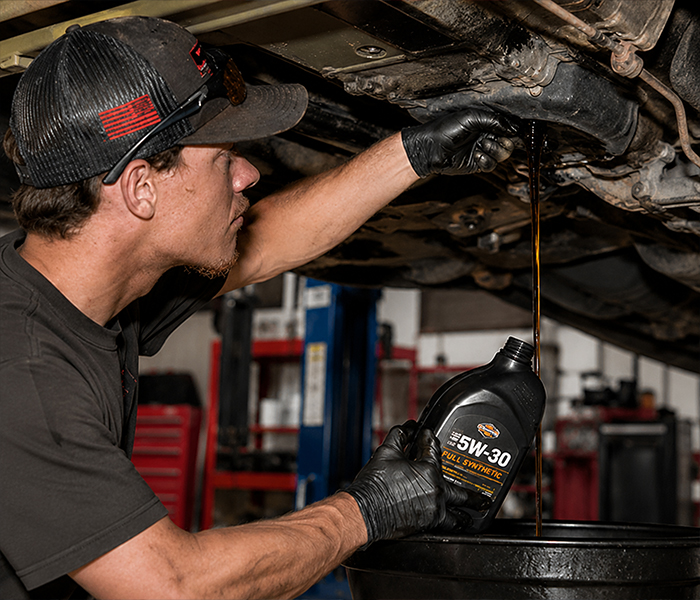
Signs It May Be Time for Fresh Lubricant
Replacement intervals vary according to mileage, driving habits, manufacturer guidance, and operating environments. Automobiles subjected to demanding use patterns often require more frequent attention.
Examples include:
Examples include:
- Heavy towing
- Frequent short-distance trips
- Extended idling
- Stop-and-go traffic
- High-mileage driving
- Continuous commercial use
Certain warning signs may indicate that a vehicle oil change should be scheduled soon:
- Dashboard maintenance reminders
- Dark or dirty oil
- Increased engine noise
- Reduced fuel economy
- Burning oil odor
- Sluggish acceleration
Delaying attention after warning signs appear may increase internal wear and reduce overall efficiency. Following manufacturer-recommended intervals encourage dependable performance and fewer unexpected breakdowns.
Keeping Commercial Fleets Ready for Daily Demands
Work trucks, delivery vans, contractor units, and security patrol fleets often accumulate mileage much faster than personal transportation. Regular oil change services allow businesses to schedule maintenance around operational demands rather than dealing with unexpected downtime.
A planned upkeep strategy can deliver several advantages
Increased fleet availability
Better fuel management
Longer equipment lifespan
More predictable operating budgets
Improved scheduling efficiency
Stronger asset utilization
Organized service records make budgeting, asset planning, and lifecycle management significantly easier across an entire fleet. Clear documentation creates accountability, simplifies audits, and provides valuable insights into operating trends across multiple units.
Reducing Ownership Costs Across the Lifespan of an Automobile
Ownership value is influenced by decisions made throughout the life of an automobile. Routine attention to essential systems contributes to stronger long-term performance and a more predictable driving experience. Regular automotive oil change contributes to smoother operation while preserving resale appeal.
Long term advantages include:
Long term advantages include:
- Extended engine life
- Improved fuel economy
- Better resale value
- Increased reliability
- Stronger maintenance records
- Reduced risk of major engine failure
Detailed records demonstrate responsible care and provide valuable documentation throughout the ownership journey. Regular oil and filter service contributes to lasting performance, greater long-term ownership value, and fewer unexpected expenses throughout the life of an automobile.
Keep Your Engine Running at Its Best
Delaying routine fluid replacement can lead to unnecessary wear, reduced efficiency, and costly repairs down the road. A professional oil and filter service helps maintain proper lubrication, supports dependable performance, and keeps critical components operating as intended.
Whether you drive a personal vehicle, manage a commercial fleet, or rely on work trucks every day, timely maintenance is one of the simplest ways to protect your investment and avoid unexpected downtime.
Whether you drive a personal vehicle, manage a commercial fleet, or rely on work trucks every day, timely maintenance is one of the simplest ways to protect your investment and avoid unexpected downtime.
FAQs
1
What is included in an oil and filter service?An oil and filter service includes draining old engine oil, replacing the oil filter, and adding fresh oil that meets manufacturer specifications. It may also include fluid checks, tire pressure inspection, and a basic vehicle assessment.
2
Why is regular oil change service important for vehicle performance?Regular oil changes reduce engine wear, improve lubrication, maintain fuel efficiency, and help prevent sludge buildup. Fresh oil also helps keep the engine running smoothly and efficiently.
3
How often should a vehicle oil change be performed?Most vehicles require an oil change every 5,000 to 10,000 miles when using synthetic oil. Service intervals vary based on driving habits, oil type, and manufacturer recommendations.
4
What are the signs that a vehicle needs an oil change?Common signs include dark oil, an oil warning light, increased engine noise, a burning smell, poor fuel economy, or rough engine performance. These symptoms indicate that service may be due.
5
What is the difference between conventional and synthetic oil during an automotive oil change?Conventional oil is petroleum-based and generally requires more frequent changes. Synthetic oil offers better engine protection, improved temperature resistance, and longer service intervals.
6
How long does an oil and filter service take?Most oil and filter services take between 30 and 60 minutes. The exact time depends on the vehicle and any additional inspections or maintenance performed during the visit.
7
What are the benefits of routine automotive oil change services?Routine oil changes improve engine protection, reduce internal wear, help prevent overheating, and support better fuel efficiency. Regular maintenance can also extend engine life.
8
Does an oil and filter service improve fuel efficiency?Yes. Clean engine oil reduces friction and helps the engine operate more efficiently. Improved lubrication can contribute to better fuel economy and smoother performance.
9
What happens during an automatic transmission fluid change?The service involves inspecting the fluid, draining old fluid, replacing the filter when applicable, and refilling the transmission with fresh fluid. This helps maintain smooth shifting and protects internal components.
10
How long does synthetic oil last in a car?Synthetic oil typically lasts between 5,000 and 10,000 miles, with some vehicles reaching up to 15,000 miles. Always follow the service intervals recommended by the vehicle manufacturer.