
Need Help

Lorem ipsum dolor sit amet, movet iisque luptatum per ut. Duo te sonet accusata sadipscing, mollis dissentiet an eam, te qui brute apis.


Contact Us
Follow Us
Restoring Vehicle Reliability Through Professional Engine Replacement
The engine is the heart of every vehicle, converting fuel into the power needed to move the drivetrain. Internal components such as pistons, valves, bearings, and crankshafts operate under extreme temperatures and constant stress. Over time, excessive wear, overheating, lubrication failure, or catastrophic damage can make repairs impractical.
A professional engine replacement service becomes necessary when major internal failures prevent dependable operation. Drivers often seek assistance after severe overheating, excessive oil consumption, knocking sounds, repeated breakdowns, or complete engine failure. Early evaluation helps determine the extent of damage and identify the most practical solution for restoring long-term vehicle reliability.
A professional engine replacement service becomes necessary when major internal failures prevent dependable operation. Drivers often seek assistance after severe overheating, excessive oil consumption, knocking sounds, repeated breakdowns, or complete engine failure. Early evaluation helps determine the extent of damage and identify the most practical solution for restoring long-term vehicle reliability.
What Situations Lead to Engine Replacement?
Not every engine problem requires complete replacement. Some concerns can be corrected through repairs, while others result in damage that affects multiple internal systems simultaneously.
A detailed assessment may include
Compression testing
Cooling system inspection
Oil pressure evaluation
Computer diagnostics
Leak detection
Internal component analysis
Exhaust assessment
Road-performance testing
A complete evaluation helps determine if repairs remain practical or if a vehicle engine replacement offers the most dependable long-term solution.
Why Engines Experience Major Failures Over Time
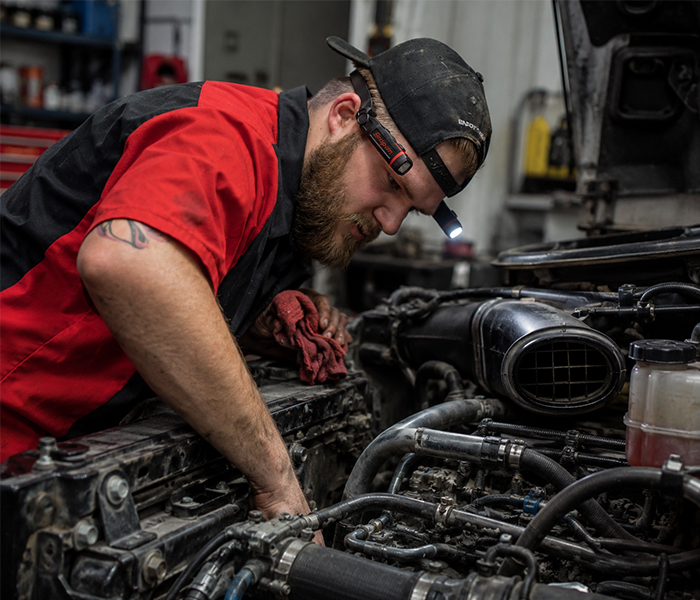
Internal engine components operate continuously under heavy loads and high temperatures. When maintenance is delayed or critical systems fail, severe damage can occur.
Common causes include:
Common causes include:
- Overheating
- Lubrication failure
- Timing component damage
- Coolant contamination
- Internal wear
- Oil starvation
Several warning signs may indicate serious engine concerns:
- Knocking noises
- Excessive smoke
- Loss of power
- Severe overheating
- Persistent warning lights
- Difficulty starting
Many motorists researching car engine replacement discover that multiple failures often occur together, making extensive repairs less practical than replacement.
How Engine Replacement Restores Performance and Dependability
A damaged engine can affect every aspect of vehicle operation, including acceleration, fuel efficiency, and overall reliability. Replacing the assembly can restore dependable operation, improve drivability, and reduce the risk of repeated mechanical failures.
Potential benefits may include
Improved reliability
Smoother operation
Better fuel efficiency
Reduced emissions
Consistent performance
Increased driving confidence
Understanding Replacement, Installation, and Engine Swap Options
Every engine replacement project is different. Some vehicles require a direct replacement unit, while others benefit from updated assemblies or remanufactured options.
Technical evaluations often consider
Internal damage severity
Vehicle age
Maintenance history
Parts availability
Drivetrain compatibility
Operating requirements
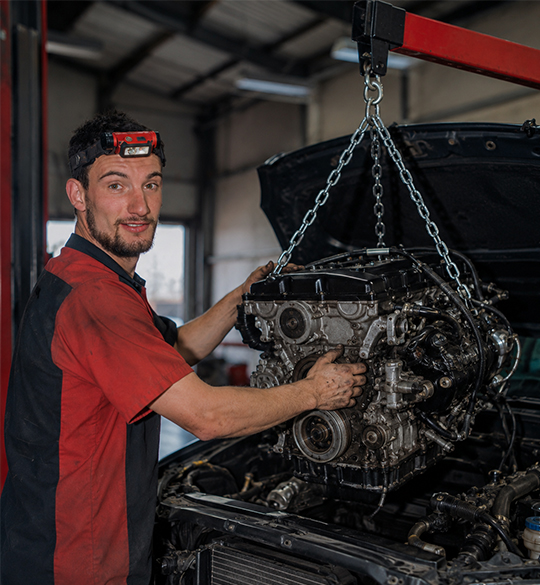
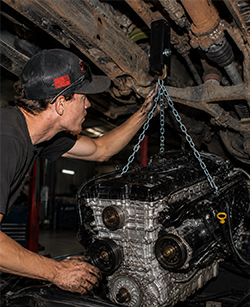
A professional engine swap service may involve installing a compatible replacement engine that matches the vehicle's performance and operating requirements. In other situations, a new engine installation may provide the most practical solution when existing components have experienced extensive damage. Questions about engine replacement cost are common because pricing can vary based on engine type, parts availability, and the amount of supporting work required during installation.
When Should Engine Replacement Be Considered?
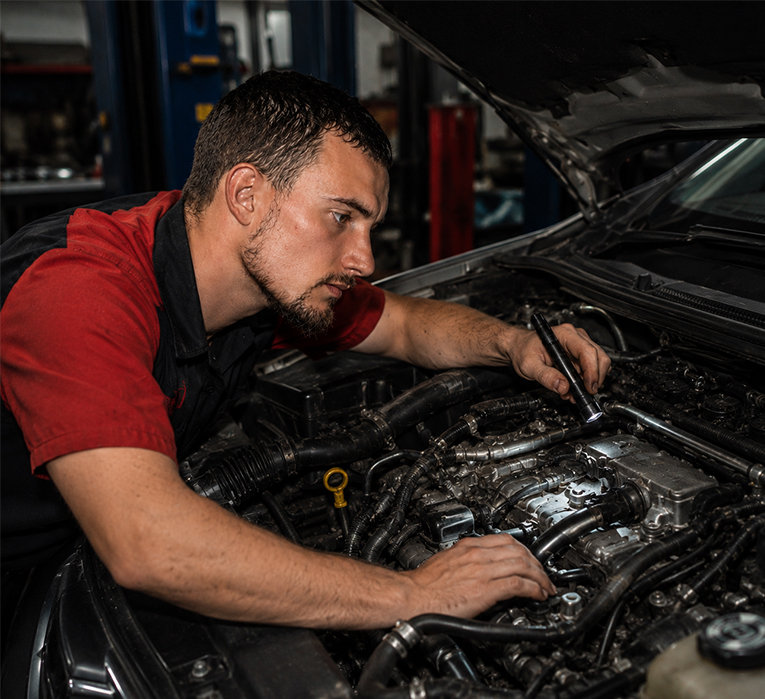
Major engine concerns rarely improve without corrective action. Continuing to drive with severe internal damage can increase repair expenses and place additional stress on connected systems.
Situations commonly prompting evaluation include:
Situations commonly prompting evaluation include:
- Repeated overheating
- Excessive oil consumption
- Persistent knocking sounds
- Internal coolant leaks
- Significant loss of compression
- Complete engine failure
Many vehicle owners begin researching engine replacement service options after repairs become frequent or reliability declines significantly. Early diagnosis can help prevent additional damage to connected systems and support more informed repair decisions.
Restore Reliability With a Professionally Installed Engine
Persistent overheating, excessive oil consumption, severe internal damage, and repeated breakdowns often indicate that major engine work is necessary. Ignoring these symptoms can lead to increased repair costs and continued reliability concerns.
Professional evaluation can verify engine condition, determine the extent of internal damage, and recommend the most appropriate replacement strategy based on accurate diagnostic findings.
Professional evaluation can verify engine condition, determine the extent of internal damage, and recommend the most appropriate replacement strategy based on accurate diagnostic findings.
FAQs
1
What are the signs that an engine replacement may be needed?Common warning signs include severe knocking noises, excessive exhaust smoke, repeated overheating, major oil consumption, and loss of compression. Frequent breakdowns and complete engine failure may also indicate that replacement is the most practical solution.
2
Is engine replacement better than buying a new vehicle?It depends on the vehicle's overall condition, value, and repair costs. Replacing an engine can be more cost-effective if the rest of the vehicle is in good shape and has many years of service life remaining.
3
How long does an engine replacement take?Most engine replacement projects take several days, depending on vehicle design, parts availability, and related repairs. Additional time may be needed if other components require replacement during installation.
4
Is it better to repair a broken motor or opt for a new engine installation?Minor damage may be repaired economically, but extensive internal failure often makes replacement the better long-term option. A professional inspection helps determine the most practical and reliable solution.
5
What is included in a professional engine swap service?An engine swap service typically includes engine removal, installation of the replacement unit, inspection of supporting components, fluid replacement, system testing, and performance verification to ensure proper operation.
6
What is the difference between an engine installation and an engine rebuild?An engine installation replaces the existing engine with another unit. An engine rebuild involves disassembling the original engine and replacing worn internal components while retaining the existing engine block.
7
What warranties typically cover a new engine installation?Warranty coverage varies by engine type and manufacturer. Most warranties cover defects in parts and workmanship for a specific period or mileage and may include limited labor coverage.
8
When is an engine replacement worth the financial investment?Replacement is often worthwhile when the vehicle is otherwise in good condition, repair costs remain lower than purchasing another vehicle, and long-term reliability can be restored through a new engine.
9
Is a replacement engine reliable for daily driving?Yes. A properly installed replacement engine can provide dependable daily transportation and performance comparable to the original engine when maintained according to manufacturer recommendations.
10
Can engine replacement increase the lifespan of a vehicle?Yes. Installing a replacement engine can significantly extend vehicle life by restoring dependable performance and reducing the risk of recurring major engine failures, especially when the remaining vehicle systems are in good condition.