
Need Help

Lorem ipsum dolor sit amet, movet iisque luptatum per ut. Duo te sonet accusata sadipscing, mollis dissentiet an eam, te qui brute apis.




Contact Us
Follow Us
Professional Heater Core Solutions for Cars, Trucks & Commercial Fleets
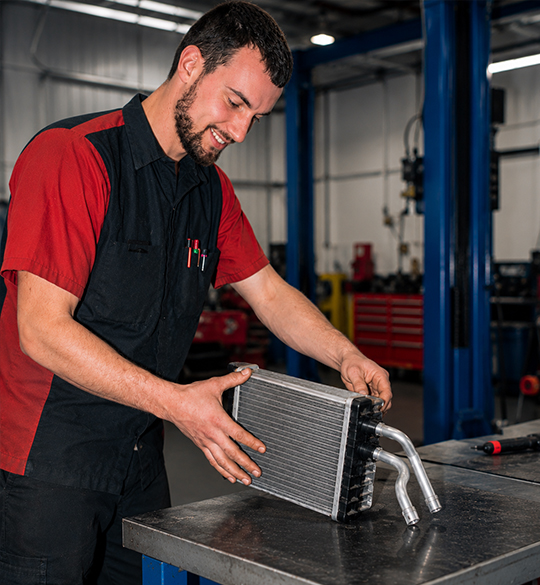
Warm cabin air depends on several climate-control components working together, and the heater core plays a major role in that process. This small radiator-like part transfers heat from engine coolant into the passenger compartment, allowing occupants to remain comfortable during cold conditions and helping defrost windows quickly.
Over time, internal passages can become restricted by corrosion, sediment, or deteriorated coolant. Leaks may also develop as metal surfaces age. Once damage begins, interior comfort declines, window fogging can increase, and coolant loss may create additional mechanical concerns.
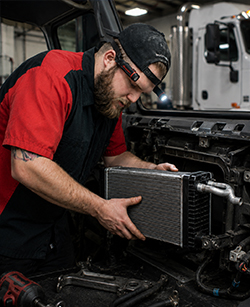
Professional heater core replacement starts with a complete inspection of the heating assembly and related parts. Replacing a failed unit restores proper cabin warmth, improves defrost performance, and helps maintain reliable operation in cars, trucks, and commercial fleets.
Over time, internal passages can become restricted by corrosion, sediment, or deteriorated coolant. Leaks may also develop as metal surfaces age. Once damage begins, interior comfort declines, window fogging can increase, and coolant loss may create additional mechanical concerns.
Professional heater core replacement starts with a complete inspection of the heating assembly and related parts. Replacing a failed unit restores proper cabin warmth, improves defrost performance, and helps maintain reliable operation in cars, trucks, and commercial fleets.
Why Does a Heater Core Need Replacement?
The heater core handles constant temperature changes and continuous coolant circulation. Years of operation can slowly weaken internal materials and reduce efficiency. As contamination builds inside narrow passages, heat transfer declines and warm air output becomes weaker.
Several conditions can contribute to failure
Internal corrosion
Coolant contamination
Aging metal surfaces
Restricted passages
Seal deterioration
Prolonged overheating
Many vehicle owners schedule car heater repair after noticing that the cabin no longer reaches a comfortable temperature. Delaying attention may allow coolant leaks or pressure problems to affect additional components.
A damaged unit can eventually contribute to low coolant levels, reduced windshield defrosting capability, and unwanted moisture inside the passenger compartment.
A damaged unit can eventually contribute to low coolant levels, reduced windshield defrosting capability, and unwanted moisture inside the passenger compartment.
How Is a Heater Core Replacement Performed?
A professional inspection begins by confirming the source of the heating concern. Technicians evaluate coolant condition, inspect hoses, and test the operation of related climate-control components.
A standard service may include
Coolant inspection
Leak detection procedures
Hose examination
Pressure testing
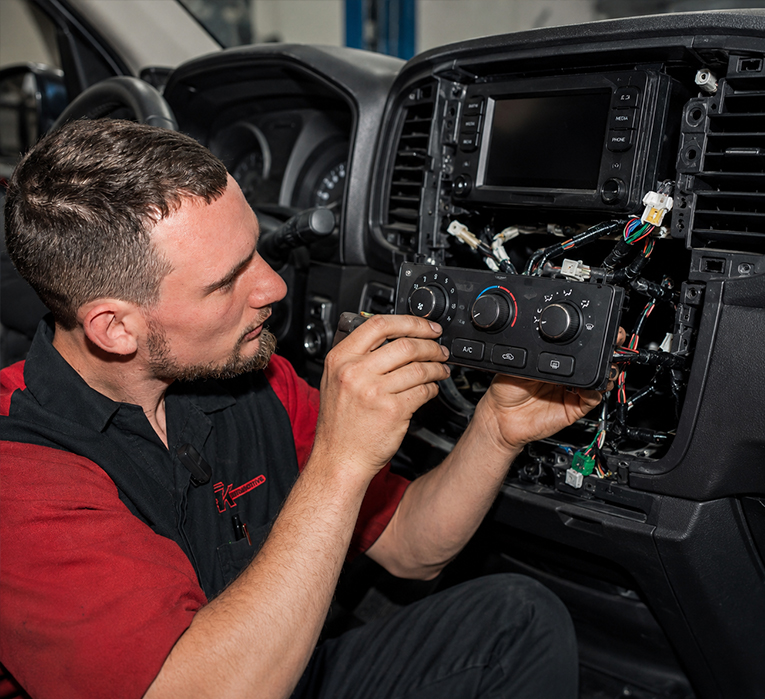
Dashboard equipment access
Replacement installation

What Problems Can Develop When the Heater Core Fails?
A defective heater core can create concerns that extend beyond passenger comfort. Because coolant passes through this component, leakage or blockage may influence engine temperature management and interior conditions.
Common issues associated with failure include:
Common issues associated with failure include:
- Sweet smell inside the cabin
- Wet carpet beneath the dashboard
- Persistent window fogging
- Low coolant levels
- Weak warm airflow
- Temperature fluctuations
Drivers often seek heater not working car repair after experiencing one or more of these symptoms. Prompt diagnosis can identify the cause before more serious damage develops.
Ignoring these warning signs may eventually result in overheating, interior damage from leaking coolant, or expensive repairs involving additional components.
Ignoring these warning signs may eventually result in overheating, interior damage from leaking coolant, or expensive repairs involving additional components.
What Signs Suggest Heater Core Service Is Needed?
Vehicles usually display noticeable symptoms before complete heating failure occurs. Recognizing these indicators early can help prevent extensive mechanical problems and improve passenger comfort.
Common warning signs include
Little or no warm air
Unexplained coolant loss
Moisture on interior windows
Fog that returns quickly
Sweet odor from vents
Damp flooring near the front seats
Many motorists search online for car heating system repair after discovering that warm air no longer enters the cabin. An inspection can determine if the concern originates from the heater core or another component involved in temperature regulation.
Early attention often reduces repair costs and helps avoid damage caused by coolant leakage inside the passenger compartment.
Early attention often reduces repair costs and helps avoid damage caused by coolant leakage inside the passenger compartment.
When Should the Heating Assembly Be Inspected?
Inspection intervals vary based on vehicle age, coolant condition, and operating habits. Components that handle continuous temperature changes benefit from periodic evaluation.
Professional assessment is recommended when:
Professional assessment is recommended when:
- Coolant levels drop repeatedly
- Interior windows fog unexpectedly
- Warm airflow becomes inconsistent
- Sweet odors develop inside the cabin
- Engine temperature changes suddenly
- Moisture appears beneath the dashboard
People searching for auto heating system repair near me are often dealing with declining cabin comfort or signs of coolant leakage. A complete inspection helps determine the source of the issue and identifies the most effective corrective action.
Some owners also look for heater core service when researching repair options online. The most important step remains obtaining an accurate diagnosis before damage spreads to connected components.
Regular inspections help maintain efficient operation and reduce the likelihood of unexpected failures during daily driving.
Some owners also look for heater core service when researching repair options online. The most important step remains obtaining an accurate diagnosis before damage spreads to connected components.
Regular inspections help maintain efficient operation and reduce the likelihood of unexpected failures during daily driving.
Restore Cabin Comfort With Timely Heater Core Care
A properly functioning heater core supports comfortable cabin temperatures, improves windshield defrost performance, and contributes to dependable operation of the entire climate-control assembly. Replacing a damaged component before major failure develops can prevent additional repairs and reduce unnecessary wear on related parts.
Professional auto heater service and timely inspections help restore interior comfort and provide confidence during every trip.
Professional auto heater service and timely inspections help restore interior comfort and provide confidence during every trip.
FAQs
1
What are the signs that I need a heater core replacement? Common signs include a sweet smell inside the cabin, fogging windows, damp carpet, coolant loss, or little to no warm air from the vents. These symptoms often indicate that a heater core replacement may be necessary.
2
Can a low coolant level cause my heater to stop working? Yes. The heater relies on hot coolant to produce warm air inside the cabin. Low coolant levels can reduce heat output and may eventually result in a complete loss of cabin heat.
3
What does a professional car heater repair service include? A professional car heater repair service typically includes coolant inspection, pressure testing, checking hoses and valves, evaluating the thermostat, and diagnosing the cause of poor heating performance.
4
Can a clogged heater core be flushed instead of replaced? In some cases, a clogged heater core can be cleaned with a flush if internal damage has not occurred. However, severe blockages or leaks usually require replacement.
5
What causes a heater core to fail? Common causes include coolant contamination, internal corrosion, age-related wear, and prolonged overheating. These issues can damage internal passages and reduce heating efficiency.
6
Why is my car blowing cold air when the heater is on? Cold air from the vents may result from low coolant levels, a clogged heater core, a faulty thermostat, or air trapped in the cooling circuit. A professional inspection can identify the exact cause.
7
Will a bad thermostat affect my car's heater?Yes. A defective thermostat can prevent the engine from reaching the proper operating temperature, which may reduce the amount of heat entering the passenger compartment.
8
What are the benefits of professional car heating system repair? Professional car heating system repair helps restore cabin comfort, improve windshield defrost performance, and identify developing problems before they lead to more extensive repairs.
9
Is heater core replacement necessary if there is a coolant leak inside the vehicle? A coolant leak inside the cabin often indicates a damaged heater core. In many cases, replacement is the most effective solution to stop the leak and restore proper heater performance.
10
What is included in a standard auto heater service? A standard service generally includes inspecting coolant condition, checking hoses and related components, testing heater operation, and evaluating the performance of the entire heating assembly.
11
How often should I have my auto heating system inspected? An inspection is recommended during routine maintenance or whenever heating performance changes noticeably. Periodic evaluations can help identify small issues before they become major repairs.
12
Is heater core service different from heater core replacement? Yes. Heater core service may involve inspections, flushing, or maintenance procedures, while heater core replacement involves removing the damaged component and installing a new one.