
Need Help

Lorem ipsum dolor sit amet, movet iisque luptatum per ut. Duo te sonet accusata sadipscing, mollis dissentiet an eam, te qui brute apis.

Contact Us
Follow Us
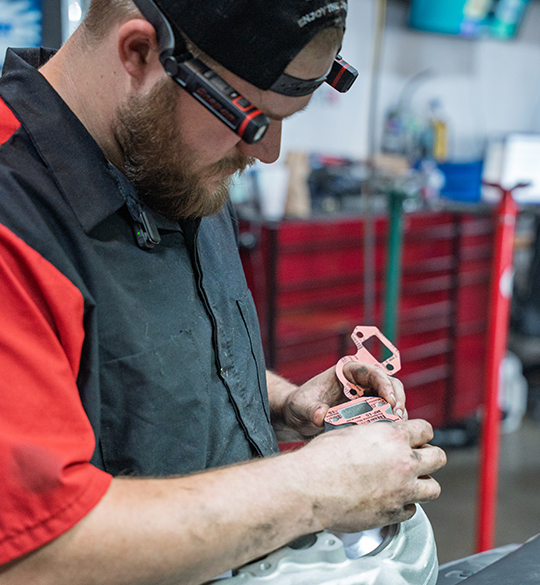
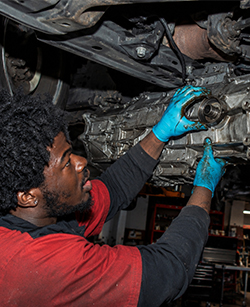
Restoring Drivetrain Reliability Through Professional Transmission Replacement
The transmission plays a critical role in transferring engine power to the wheels while controlling speed, torque, and gear selection. Every acceleration, stop, and highway drive depends on this system operating correctly. Internal gears, clutches, bearings, solenoids, and hydraulic components work together continuously, making the transmission one of the most complex assemblies in a vehicle.
Professional transmission replacement becomes necessary when internal damage, excessive wear, or severe component failure prevents normal operation. Drivers often begin noticing delayed shifting, slipping gears, unusual noises, fluid leaks, or warning indicators long before complete failure occurs. Early evaluation helps determine the extent of internal damage and identify the most appropriate repair strategy.
Professional transmission replacement becomes necessary when internal damage, excessive wear, or severe component failure prevents normal operation. Drivers often begin noticing delayed shifting, slipping gears, unusual noises, fluid leaks, or warning indicators long before complete failure occurs. Early evaluation helps determine the extent of internal damage and identify the most appropriate repair strategy.
What Does a Transmission System Actually Do?
A transmission manages engine output and delivers power efficiently across different driving conditions. By selecting the correct gear ratio, it allows smooth acceleration, efficient cruising, and controlled vehicle movement.
A complete inspection may include
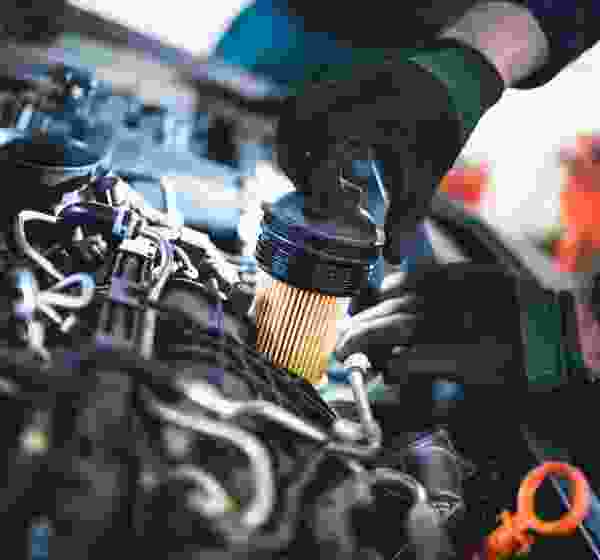
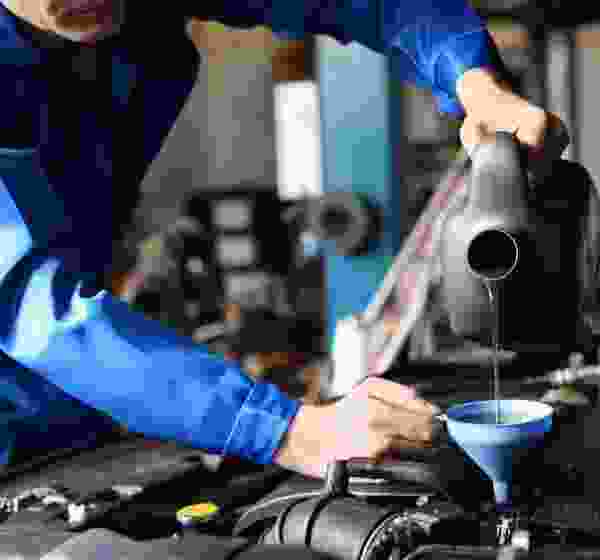
Fluid condition analysis
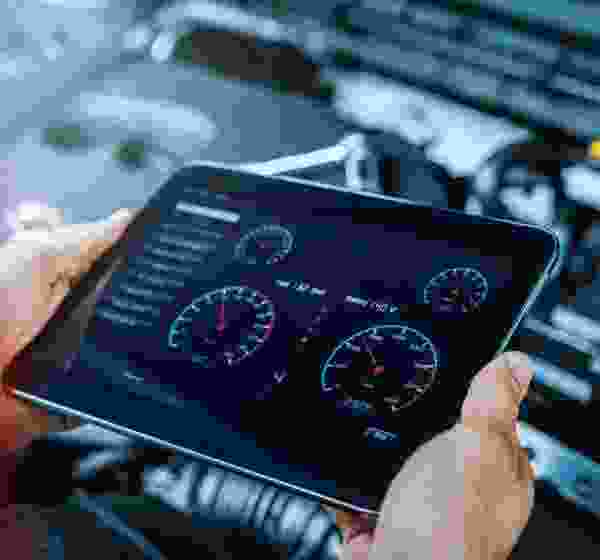
Computer diagnostics
Road-performance testing
Hydraulic pressure evaluation
Electrical system review
Gear engagement assessment
Leak detection
Drivetrain examination
A detailed evaluation helps determine if a concern can be corrected through maintenance or if major internal damage requires transmission repair or replacement.
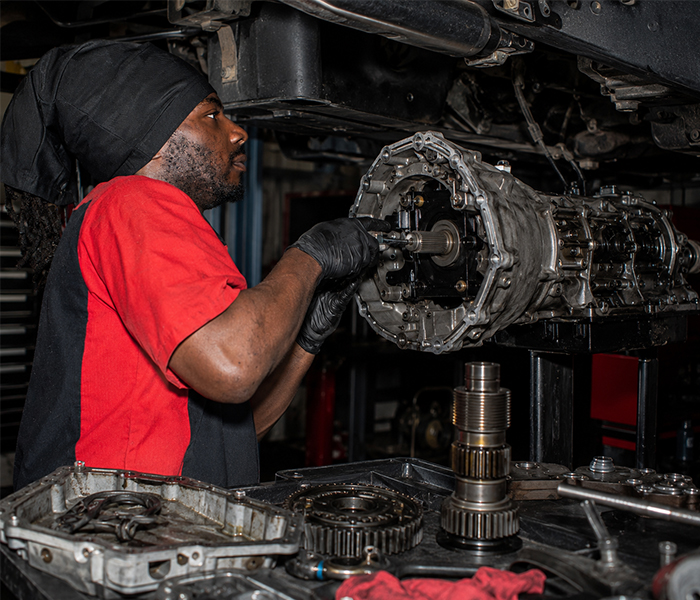
Why Do Transmission Problems Develop Over Time?
Every gear change creates heat and friction inside the transmission. As mileage increases, fluid quality declines and internal components gradually experience wear.
Common causes include:
Common causes include:
- Fluid contamination
- Overheating
- Internal clutch wear
- Solenoid failure
- Bearing deterioration
- Heavy towing demands
Several warning signs may indicate developing concerns:
- Delayed shifting
- Gear slipping
- Harsh engagement
- Burning odor
- Fluid leakage
- Unusual noises
Many motorists researching automatic transmission repair discover that early symptoms often appear long before complete transmission failure occurs.
How Replacement Restores Vehicle Performance
A damaged transmission can affect acceleration, fuel economy, and overall drivability. Replacing a failed assembly restores proper power transfer, improves drivability, and supports reliable daily operation.
Potential benefits may include
Smoother gear changes
Improved acceleration response
Better power delivery
Reduced driveline vibration
Increased reliability
More predictable operation
Understanding Repair, Rebuild, and Replacement Options
Not every transmission issue requires complete replacement. The most appropriate solution depends on the extent of wear and the condition of internal components.
Technical evaluations often consider
Gear damage
Clutch condition
Hydraulic operation
Electronic controls
Internal contamination
Repair history
In some situations, a transmission rebuild service may restore operation by replacing worn internal components while retaining usable parts that remain within manufacturer specifications. In other cases, severe damage makes complete replacement the more practical long-term solution.
Understanding these options allows vehicle owners to make informed decisions based on actual system condition rather than assumptions.
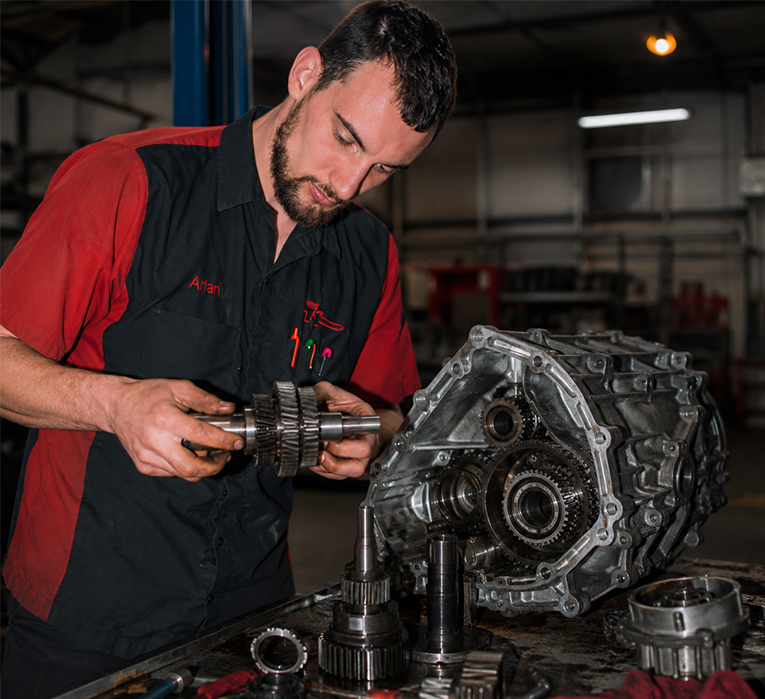
When Should Transmission Replacement Be Considered?
Transmission concerns generally become more noticeable as wear progresses. Ignoring early symptoms can increase the likelihood of additional drivetrain damage and more expensive repairs.
Situations commonly prompting evaluation include:
Situations commonly prompting evaluation include:
- Persistent slipping
- Failure to engage gears
- Repeated overheating
- Significant fluid leaks
- Grinding noises
- Warning light activation
Many drivers begin researching transmission replacement solutions after experiencing shifting concerns that affect daily operation. Early diagnosis can help prevent complete transmission failure, reduce repair costs, and improve long-term drivetrain reliability.
Restore Smooth Shifting and Dependable Performance
Delayed gear changes, slipping, unusual noises, and fluid leaks often indicate serious transmission concerns that require professional attention. Ignoring these symptoms can lead to increased repair costs and reduced vehicle reliability.
Professional evaluation can verify transmission condition, identify internal damage, and determine the most effective corrective solution based on accurate diagnostic findings.
Professional evaluation can verify transmission condition, identify internal damage, and determine the most effective corrective solution based on accurate diagnostic findings.
FAQs
1
What are the most common signs that a vehicle requires a transmission repair?Common symptoms include slipping gears, delayed shifting, grinding noises, fluid leaks, and warning lights. Some vehicles may also experience shaking or reduced acceleration. Early diagnosis can help prevent major transmission damage.
2
What are the early indicators that a manual vehicle requires a gearbox repair?Difficulty shifting gears, clutch slippage, grinding sounds, and unusual vibrations often indicate gearbox problems. Hard gear engagement and fluid leaks can also signal internal wear. Prompt inspection helps prevent further damage.
3
Why is transmission fluid leaking, and does it require immediate transmission repair?Fluid leaks can result from damaged seals, worn gaskets, cracked lines, or internal component wear. Low fluid levels may cause overheating and poor shifting performance. Immediate inspection is recommended to avoid serious damage.
4
Why does an automatic transmission slip, and does it require automatic transmission repair?Transmission slipping can occur because of low fluid, worn clutches, faulty solenoids, or internal wear. The engine may rev higher without proper acceleration. Professional diagnosis can determine if repair or replacement is needed.
5
What signs indicate a car needs transmission replacement?Repeated slipping, inability to shift, severe noises, burnt fluid, and complete loss of drive may indicate transmission failure. Extensive internal damage often makes replacement the most practical solution.
6
What tasks are performed during a standard transmission service?A transmission service typically includes fluid inspection, filter replacement when applicable, leak checks, computer diagnostics, and road testing. The service helps maintain smooth operation and identify developing concerns.
7
How often should a vehicle receive a routine transmission service?Service intervals vary by manufacturer and driving conditions. Many vehicles benefit from transmission service every 30,000 to 60,000 miles. Heavy towing and severe driving conditions may require more frequent maintenance.
8
Does a routine transmission service help prevent complete transmission failure?Yes. Regular maintenance helps maintain fluid quality, reduce internal wear, and identify small issues before they become major failures. Preventive service often extends transmission life and improves reliability.
9
How can vehicle owners extend the lifespan of their vehicle to avoid early transmission repair?Following recommended maintenance schedules, checking fluid levels, avoiding overheating, and addressing warning signs early can help protect the transmission. Gentle driving habits also reduce unnecessary wear.
10
What happens if a driver ignores the need for a car transmission replacement?Ignoring severe transmission problems can lead to complete loss of drive, increased repair costs, and damage to related drivetrain components. Early evaluation can prevent unexpected breakdowns and more extensive repairs.