
Need Help

Lorem ipsum dolor sit amet, movet iisque luptatum per ut. Duo te sonet accusata sadipscing, mollis dissentiet an eam, te qui brute apis.



Contact Us
Follow Us
Shock and Strut Replacement Services for Cars, Trucks & Commercial Vehicle
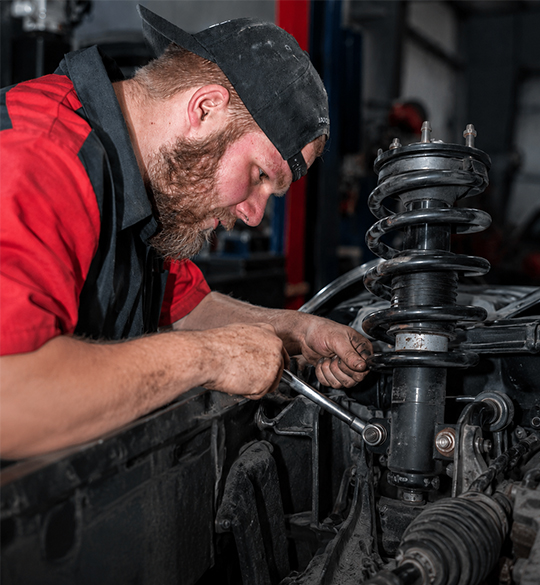
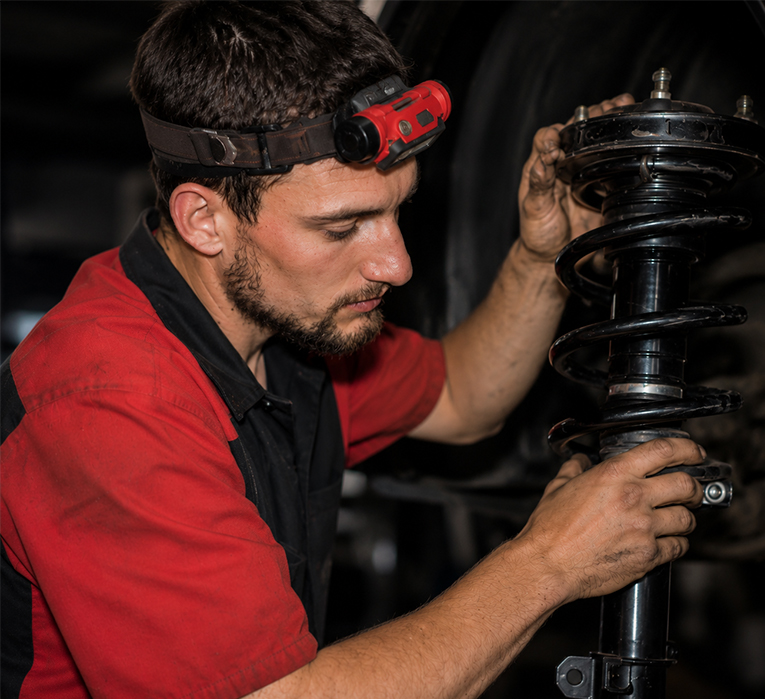
Suspension components play a major role in vehicle control, ride comfort, steering response, and tire contact with the road surface. Among the most important assemblies within this system are shocks and struts. These components help manage spring movement, absorb road impacts, and maintain stability during acceleration, cornering, and braking.
Over time, internal seals, damping fluid, and structural elements experience gradual deterioration. As effectiveness declines, handling characteristics can change, ride quality may become less comfortable, and tire wear patterns can become more noticeable. Professional shocks and struts replacement helps restore proper ride-control function while supporting safer and more predictable driving behavior. Many motorists first notice concerns through excessive bouncing, front-end dipping, uneven tire wear, steering instability, or increased body roll. Early attention helps limit additional stress affecting connected suspension and steering assemblies.
Over time, internal seals, damping fluid, and structural elements experience gradual deterioration. As effectiveness declines, handling characteristics can change, ride quality may become less comfortable, and tire wear patterns can become more noticeable. Professional shocks and struts replacement helps restore proper ride-control function while supporting safer and more predictable driving behavior. Many motorists first notice concerns through excessive bouncing, front-end dipping, uneven tire wear, steering instability, or increased body roll. Early attention helps limit additional stress affecting connected suspension and steering assemblies.
What Do Shocks and Struts Actually Do?
Although both components help manage vehicle movement, their designs perform slightly different functions within suspension architecture. Shock absorbers primarily control spring oscillation after road impacts. Struts combine damping capability with structural support and often contribute directly to steering geometry.
A comprehensive evaluation may include
Damping performance assessment
Suspension travel inspection
Mount examination
Spring condition review
Alignment analysis
Tire wear evaluation
Steering response assessment
Road-test observations
A complete vehicle suspension service helps determine how effectively these assemblies control wheel motion under real-world driving conditions. Inspection findings often reveal performance changes that develop gradually and may not be immediately noticeable during routine operation.
Why Shock and Strut Effectiveness Declines Over Time
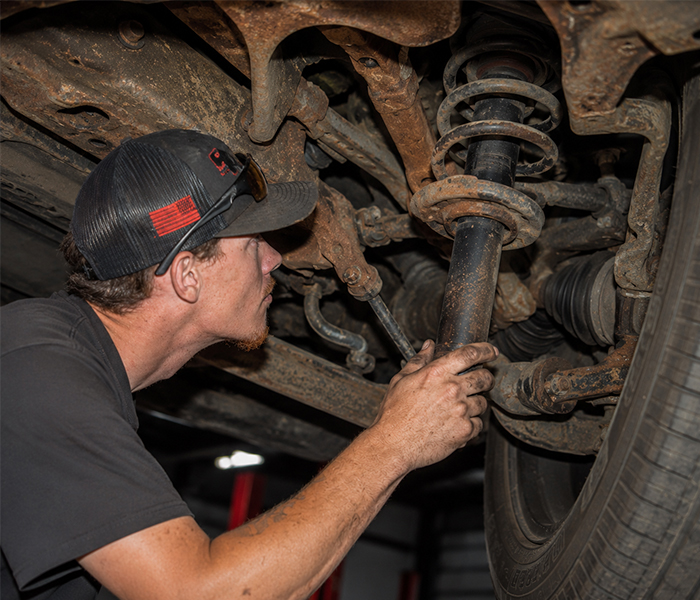
Suspension assemblies absorb thousands of impacts throughout normal driving. Road irregularities, environmental exposure, mileage accumulation, and continuous operation gradually affect internal components. Shocks and struts gradually lose effectiveness due to normal wear, repeated road impacts, hydraulic fluid breakdown, and environmental exposure. As damping performance declines, ride quality and vehicle stability can be affected.
Common causes of deterioration include:
Common causes of deterioration include:
- Hydraulic fluid degradation
- Seal wear
- Repeated road impacts
- Corrosion exposure
- Mount deterioration
- Spring fatigue
Several warning signs may indicate declining performance:
- Excessive bouncing
- Uneven tire wear
- Increased body roll
- Nose-diving during braking
- Steering instability
- Reduced ride comfort
Drivers researching suspension shock repair frequently discover that damping concerns can influence much more than comfort. Tire contact consistency, steering precision, and overall road control may also be affected.
How Replacement Improves Driving Characteristics
Effective damping helps maintain stable vehicle movement while reducing unnecessary suspension oscillation. As internal wear progresses, road feedback can become less predictable and handling behavior may feel less controlled.
Potential improvements may include
Better ride stability
Improved steering response
Reduced body movement
Enhanced tire contact
Greater cornering confidence
Smoother road absorption
Understanding the Difference Between Shock and Strut Service
Although these terms are frequently used interchangeably, replacement requirements vary according to vehicle design. Some automobiles utilize separate shock absorbers, while others depend on integrated strut assemblies that perform multiple functions.
Evaluation findings frequently consider
Damping effectiveness
Structural integrity
Mount condition
Spring support capability
Suspension geometry influence
Overall assembly wear
A professional recommendation is based on component condition rather than mileage alone. In many situations, replacing worn assemblies helps maintain proper chassis stability while reducing abnormal wheel travel affecting steering and tire performance. Motorists searching online for suspension repair near me often discover that worn damping assemblies can affect multiple interconnected vehicle systems.
When Should Shocks and Struts Be Evaluated?
Many suspension concerns develop gradually, making changes difficult to recognize at first. Vehicle owners often adapt to declining ride quality without realizing handling characteristics have changed significantly over time.
Situations commonly prompting inspection include:
Situations commonly prompting inspection include:
- Excessive bouncing after bumps
- Steering correction during highway travel
- Uneven tread wear
- Increased body sway
- Harsh impact sensations
- Reduced directional stability
Drivers investigating bad struts repair near me frequently seek answers after noticing changes in handling behavior or overall ride control. Diagnostic assessment helps identify worn components and establish the most appropriate corrective action based on actual operating condition. A properly maintained suspension system supports alignment accuracy, steering precision, tire longevity, and overall driving confidence throughout a wide range of operating environments.
Maintain Ride Control and Handling Stability
Excessive bouncing, uneven tire wear, steering instability, and reduced ride comfort often indicate declining ride-control effectiveness. Ignoring these symptoms can place additional strain on connected steering, alignment, and chassis assemblies.
Professional evaluation can verify assembly condition, identify wear patterns, and determine the most effective corrective solution based on inspection findings.
Professional evaluation can verify assembly condition, identify wear patterns, and determine the most effective corrective solution based on inspection findings.
FAQs
1
What is shock replacement and when do I need it?Shock replacement involves installing new shock absorbers when the existing ones can no longer control suspension movement properly. Replacement is often needed when you notice excessive bouncing, leaks, or reduced handling stability.
2
How do I know if my vehicle needs a shocks and struts replacement?Common signs include excessive bouncing, uneven tire wear, steering instability, nose-diving during braking, and a rough ride. A professional inspection can confirm if replacement is necessary.
3
What are the most common signs that my car needs immediate suspension repair?Immediate attention may be needed if you experience severe bouncing, clunking noises, poor steering control, excessive body roll, or noticeable fluid leaks from shocks or struts.
4
When should I get strut replacement for my car?Struts should be replaced when they become worn, start leaking, or no longer provide proper ride control. Many vehicles require inspection around 50,000 to 100,000 miles.
5
Do I need wheel alignment after strut replacement?Yes. A wheel alignment is usually recommended after strut replacement because suspension geometry can change during the repair process, affecting tire wear and steering performance.
6
What is included in a shocks and struts replacement service?The service typically includes inspection of shocks, struts, mounts, springs, and related hardware, followed by component replacement and a road test to verify proper operation.
7
Does suspension repair affect fuel efficiency?Yes. Worn suspension components can increase rolling resistance and tire wear, causing the engine to work harder. Proper suspension performance may help maintain better fuel efficiency.
8
What exactly is included in a professional shock replacement service?A professional shock replacement generally includes removing worn shocks, installing new units, inspecting mounts and hardware, and checking overall suspension performance.
9
What is the actual difference between a shocks and struts replacement?Shocks mainly control spring movement, while struts also serve as a structural part of the suspension and steering system. Replacement procedures vary depending on the vehicle design.
10
What causes a shock absorber to leak fluid, requiring suspension shock repair?Shock absorbers can leak due to worn seals, corrosion, age, road impacts, or excessive mileage. Fluid leaks reduce damping performance and can lead to poor ride control and handling issues.