
Need Help

Lorem ipsum dolor sit amet, movet iisque luptatum per ut. Duo te sonet accusata sadipscing, mollis dissentiet an eam, te qui brute apis.






Contact Us
Follow Us
Professional AC Service Solutions for Cars, Trucks & Commercial Fleets
A properly functioning air conditioning unit plays an important role in cabin comfort and driver concentration. It removes heat and humidity from the passenger compartment, creating a more pleasant environment during daily travel and long working hours. Consistent temperature control also helps reduce fatigue and improves overall driving conditions.
Over time, refrigerant levels can decline, seals can wear, and internal components may become less efficient. Reduced performance often causes weak airflow, unpleasant odors, and uneven temperatures inside the cabin. Ignoring these concerns can place additional strain on connected parts and lead to expensive failures.
A professional auto AC service begins with a complete inspection of the climate-control assembly to identify developing issues and restore proper operation. Timely maintenance helps preserve important parts, improve comfort, and support dependable performance in cars, trucks, and commercial fleets.
Over time, refrigerant levels can decline, seals can wear, and internal components may become less efficient. Reduced performance often causes weak airflow, unpleasant odors, and uneven temperatures inside the cabin. Ignoring these concerns can place additional strain on connected parts and lead to expensive failures.
A professional auto AC service begins with a complete inspection of the climate-control assembly to identify developing issues and restore proper operation. Timely maintenance helps preserve important parts, improve comfort, and support dependable performance in cars, trucks, and commercial fleets.
Why Does the Air Conditioning Unit Need Periodic Maintenance?
Every temperature-control assembly experiences wear as mileage increases. Refrigerant gradually decreases, moving parts age, and debris can accumulate inside important components. These changes can reduce efficiency and increase the risk of unexpected failures.
Several conditions make routine maintenance important
Natural refrigerant loss
Worn seals and fittings
Dust and debris accumulation
Reduced airflow efficiency
Increased compressor strain
Declining cabin comfort
Many drivers seek car AC repair after noticing that cold air no longer reaches the desired temperature. Routine attention helps preserve important parts and reduces the chance of major failures that require extensive repairs.
Neglecting maintenance may eventually contribute to compressor damage, refrigerant leaks, and poor temperature regulation that affects everyday driving comfort.
Neglecting maintenance may eventually contribute to compressor damage, refrigerant leaks, and poor temperature regulation that affects everyday driving comfort.
How Is an AC Service Performed?
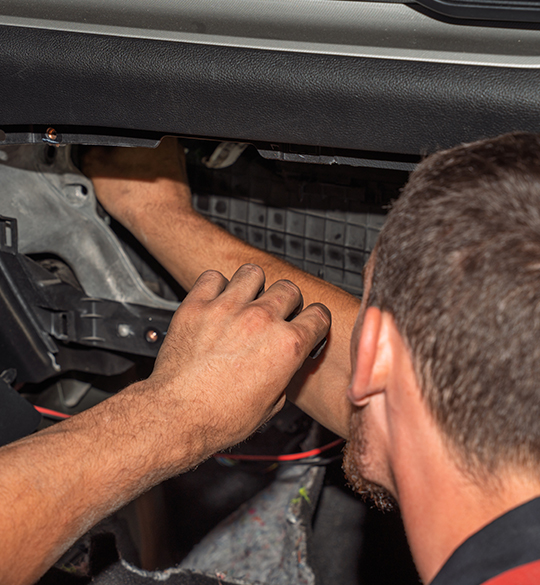
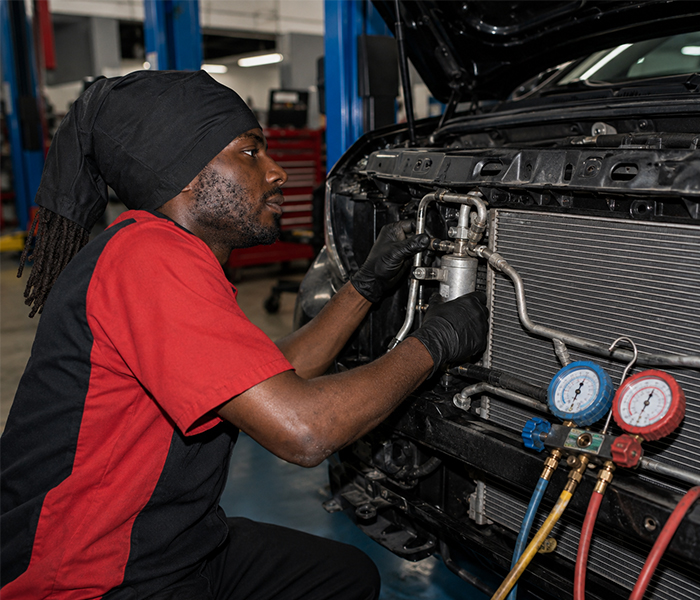
A professional inspection begins with an evaluation of every major climate-control component. Technicians examine refrigerant levels, inspect visible parts, and test operating performance to determine the condition of the entire assembly.
A standard appointment may include
Refrigerant pressure testing
Compressor inspection
Condenser evaluation
Cabin filter examination
Leak detection procedures
Performance testing
What Problems Can Develop When Air Conditioning Components Wear Out?
A declining climate-control assembly can affect much more than passenger comfort. As individual parts deteriorate, additional stress may develop throughout connected components, leading to more extensive mechanical concerns.
Common issues associated with worn components include:
Common issues associated with worn components include:
- Weak airflow from vents
- Refrigerant leakage
- Compressor failure
- Unpleasant cabin odors
- Inconsistent temperatures
- Increased operating strain
Professional vehicle air conditioning repair can identify underlying problems before they become major failures. Replacing damaged parts and correcting performance issues helps restore proper operation and reduces the likelihood of unexpected breakdowns.Early attention often prevents additional damage and helps maintain dependable temperature control during every season.
What Signs Suggest AC Service Is Needed?
Vehicles often display noticeable symptoms before complete climate-control failure occurs. Recognizing these warning signs early can help avoid larger repair expenses.
Common indicators include
Air that is no longer cold
Strange noises during operation
Weak airflow from vents
Fogging inside windows
Unpleasant smells from ducts
Temperature fluctuations
Many drivers delay service until the cabin becomes uncomfortable. However, early diagnosis can often resolve minor concerns before they affect major components. Changes in performance should never be ignored because declining efficiency can eventually lead to expensive compressor replacement and additional mechanical work.
When Should an Air Conditioning Assembly Be Inspected?
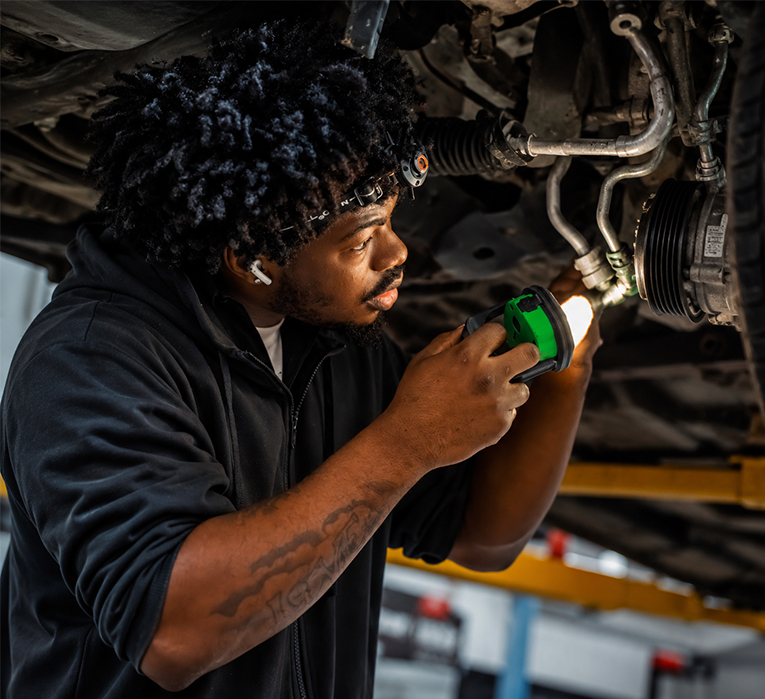
Inspection intervals depend on vehicle age, usage patterns, and operating conditions. Heavy daily use and long driving periods can place additional demands on climate-control components.
Professional evaluation is recommended when:
Professional evaluation is recommended when:
- Scheduled maintenance becomes due
- Cabin temperatures change unexpectedly
- Refrigerant leaks become visible
- Airflow weakens significantly
- Unusual sounds develop
- Cooling performance declines
Regular inspections help identify developing concerns before complete failure occurs. Early maintenance can extend component life, improve operating efficiency, and reduce the likelihood of major repairs. Consistent attention also supports dependable cabin comfort and helps maintain the long-term reliability of the entire temperature-management assembly.
Restore Cabin Comfort With Professional AC Care
A properly maintained air conditioning assembly helps create a comfortable interior environment and supports dependable performance throughout the year. Routine inspections and timely repairs help protect important components and reduce unnecessary wear. Professional service can identify developing issues early, restore efficient operation, and provide confidence every time the vehicle is driven.
FAQs
1
Why is my car AC not cooling properly?Low refrigerant, a leaking component, a failing compressor, or a clogged condenser can all reduce cooling performance. A professional car AC repair inspection can identify the exact cause and restore proper operation.
2
How do I know if I need a vehicle air conditioning repair? Warm air from the vents, unusual noises, unpleasant odors, or weak cooling are common signs that vehicle air conditioning repair may be necessary. Early diagnosis can help prevent larger and more expensive problems.
3
How to diagnose AC problems in a vehicle? Technicians inspect refrigerant levels, check operating pressures, test electrical components, and examine major air conditioning parts. These steps help determine the source of the issue and the most effective repair.
4
Why is my car AC blowing weak airflow even when cooling?Weak airflow is often caused by a clogged cabin air filter, a failing blower motor, or blocked air ducts. Although the air may still be cold, restricted airflow can reduce cabin comfort.
5
Is it safe to drive if my car AC is making a loud noise? Driving is usually possible, but unusual noises may indicate a failing compressor, loose components, or internal damage. Prompt inspection is recommended to avoid additional repairs.
6
What is included in a professional vehicle AC repair service? A professional vehicle air conditioning repair service may include refrigerant testing, leak detection, compressor inspection, electrical diagnostics, and performance verification to ensure the air conditioning assembly is operating correctly.
7
Can I drive my car if the air conditioner is not working? Yes, the vehicle can usually be driven safely if the air conditioner is not functioning. However, unresolved issues may worsen over time and could eventually affect other components.
8
Why should I choose a professional auto AC service instead of DIY repairs? Air conditioning assemblies contain specialized components and refrigerants that require proper equipment and training. Professional service helps ensure accurate diagnosis and correct repairs while reducing the risk of additional damage.
9
Does regular auto AC service prevent AC compressor failure? Routine maintenance can help identify refrigerant leaks, worn components, and performance issues before they place excessive strain on the compressor. Early attention often reduces the likelihood of major failures.
10
What exactly does an auto AC service include? A complete service typically includes inspecting components, checking refrigerant levels, testing operating pressures, and performing a car AC recharge service when needed. The goal is to restore efficient cooling and reliable operation.
11
Can a bad battery cause my car AC to stop working? Yes. Modern air conditioning assemblies rely on electrical components and control modules that require proper voltage. A weak or failing battery can sometimes affect air conditioning performance or prevent certain components from operating correctly.