
Need Help

Lorem ipsum dolor sit amet, movet iisque luptatum per ut. Duo te sonet accusata sadipscing, mollis dissentiet an eam, te qui brute apis.
Contact Us
Follow Us
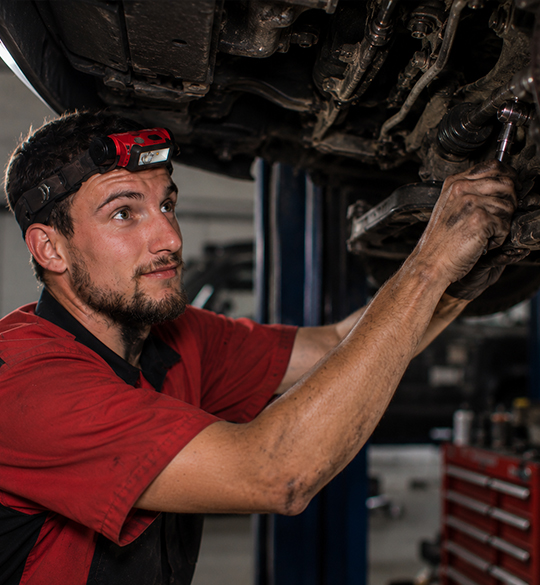
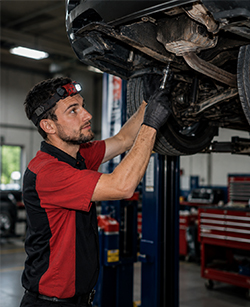
Professional Pre- Purchase Vehicle Inspection
Buying a vehicle involves more than evaluating appearance, mileage, or asking questions about maintenance history. Hidden mechanical concerns, previous damage, neglected servicing, or developing wear may not be obvious during a short test drive. A detailed inspection helps reveal the actual condition of major systems before ownership changes hands.
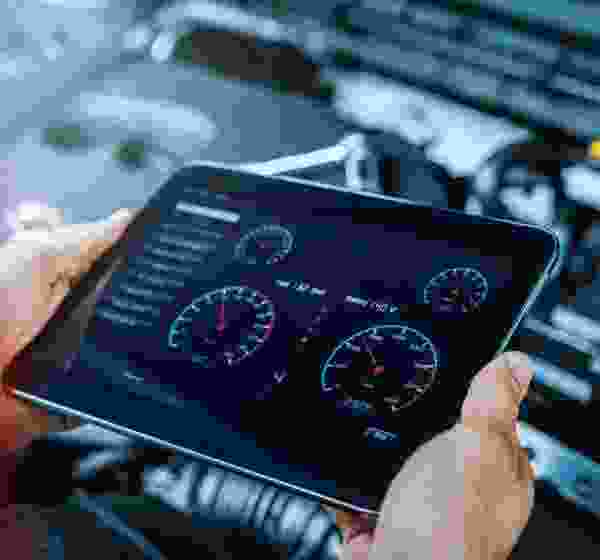
A professional vehicle pre purchase inspection provides valuable insight into mechanical integrity, safety systems, and overall operating health. Many buyers schedule an evaluation before completing a transaction to avoid unexpected repair expenses after purchase. Early identification of defects can help buyers understand immediate service needs, estimate future maintenance costs, and make more informed decisions.
A professional vehicle pre purchase inspection provides valuable insight into mechanical integrity, safety systems, and overall operating health. Many buyers schedule an evaluation before completing a transaction to avoid unexpected repair expenses after purchase. Early identification of defects can help buyers understand immediate service needs, estimate future maintenance costs, and make more informed decisions.
What Is Included During a Pre-Purchase Inspection?
A pre-purchase evaluation examines critical systems throughout the automobile to determine overall mechanical health and identify concerns that may affect reliability or safety.
A typical assessment may include
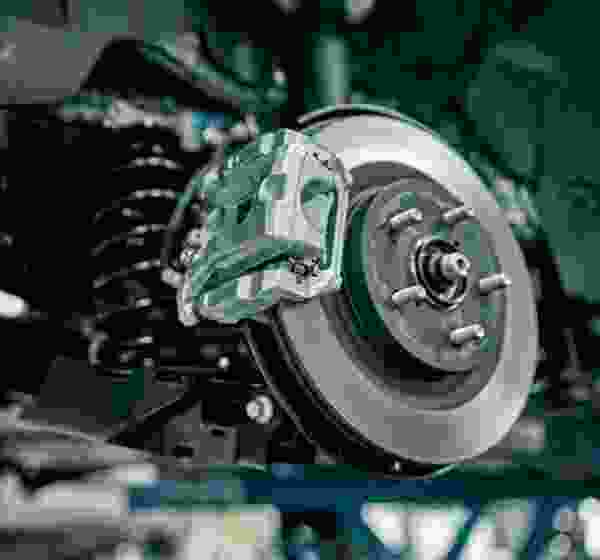
Brake system review
Tire condition analysis
Steering evaluation
Suspension inspection
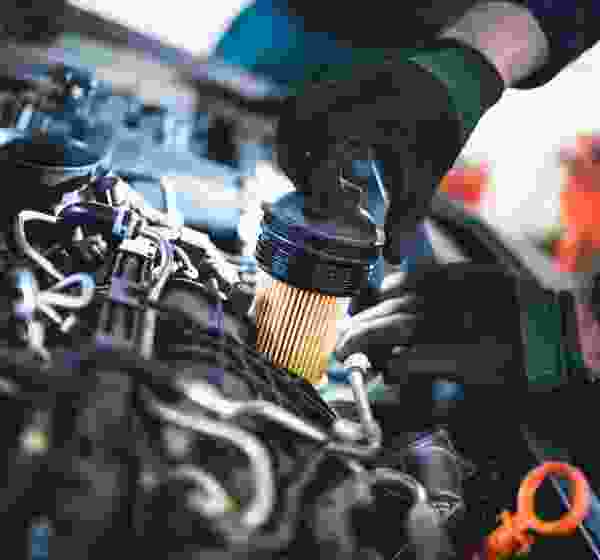
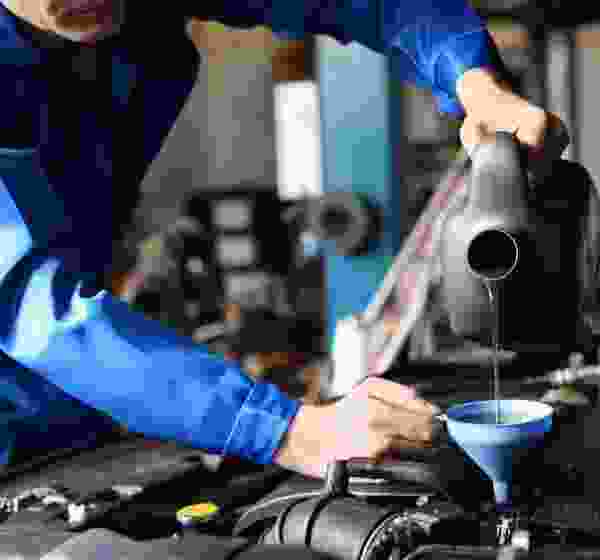
Fluid assessment
Battery testing
Lighting examination
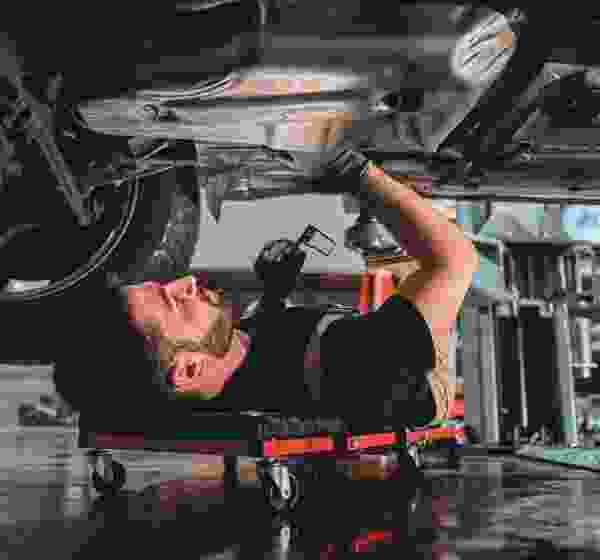
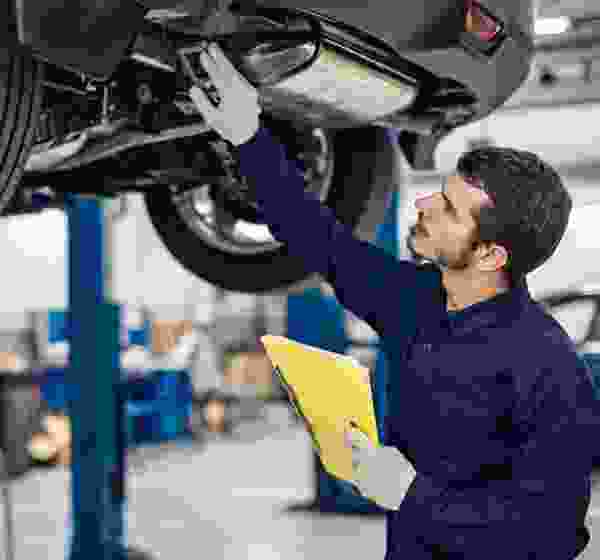
Exterior and underbody review
A thorough car buying inspection service helps identify wear, fluid leaks, structural concerns, damaged components, or overdue maintenance items that may not be immediately visible. Inspection findings create a clearer understanding of the automobile's present operating status before any financial commitment is made.
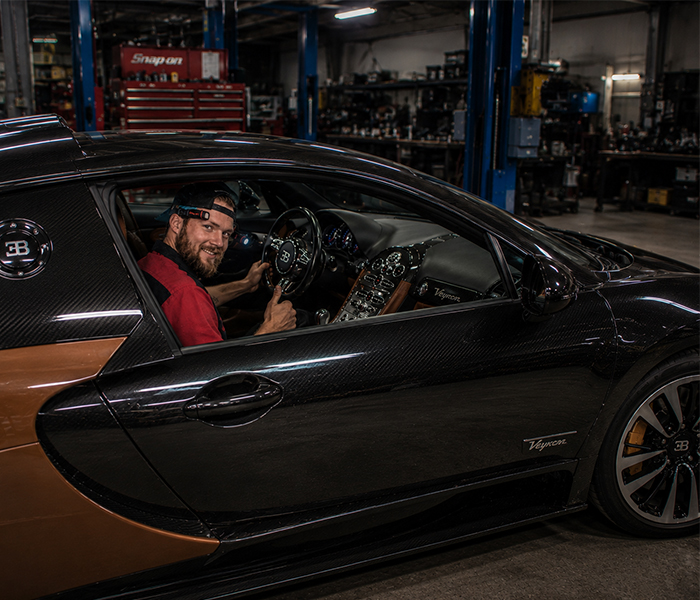
Why an Inspection Matters Before Purchasing a Used Vehicle
A vehicle can appear well-maintained while still containing hidden issues. Cosmetic condition alone does not always reflect mechanical health. Some concerns remain undetected until regular driving begins.
Common issues discovered during inspections include:
Common issues discovered during inspections include:
- Fluid seepage
- Worn suspension components
- Uneven tire wear
- Brake deterioration
- Battery weakness
- Deferred maintenance
A professional used vehicle inspection service helps reduce uncertainty by identifying concerns before ownership changes. Many buyers consider this evaluation a valuable step because repair costs discovered afterward can significantly affect the true value of the purchase.
How a Detailed Inspection Supports Better Buying Decisions
Reliable information helps buyers understand exactly what they are purchasing. Inspection results can reveal both immediate concerns and future maintenance requirements.
Potential benefits may include
Better purchase confidence
Better ownership budgeting
Greater mechanical awareness
Reduced repair surprises
Stronger negotiating position
Enhanced ownership preparation
What Areas Receive Special Attention During Evaluation?
Certain components have a direct influence on safety, reliability, and long-term ownership expenses. These systems often receive additional scrutiny during a comprehensive examination.
Technical assessments frequently review
Engine operation
Transmission performance
Brake effectiveness
Steering response
Suspension integrity
Electrical functionality
A comprehensive assessment may also identify signs of previous repairs, fluid contamination, excessive wear patterns, damaged components, or maintenance neglect. Understanding these factors helps buyers evaluate long-term ownership expectations and avoid unexpected repair obligations shortly after purchase.
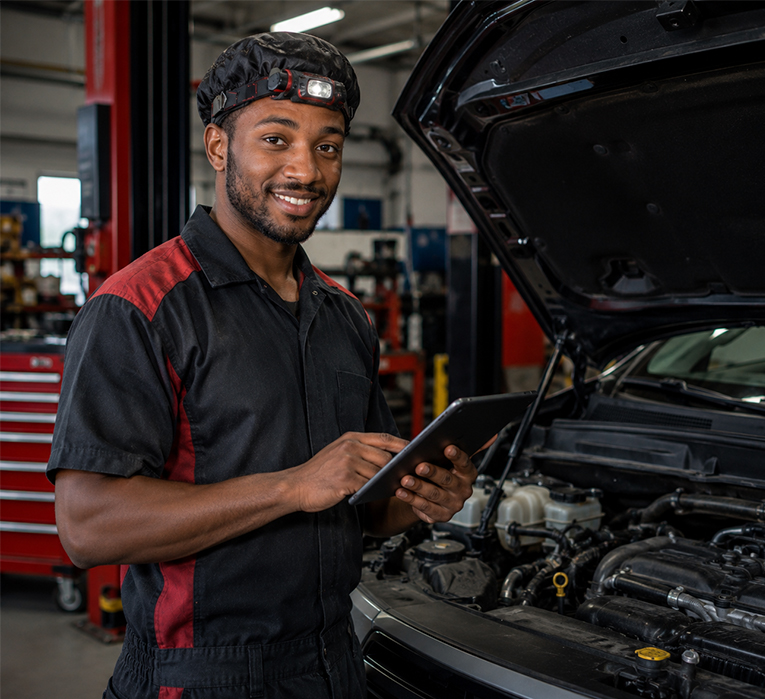
When Should a Pre-Purchase Inspection Be Scheduled?
The ideal time for an evaluation occurs before finalizing the transaction. Completing an evaluation before signing paperwork or transferring ownership provides the greatest opportunity to make an informed decision.
Situations commonly prompting an assessment include:
Situations commonly prompting an assessment include:
- Private-party purchases
- Dealer inventory evaluation
- Older vehicle acquisitions
- High-mileage automobiles
- Limited maintenance records
- Long-distance purchases
Many buyers schedule a vehicle pre purchase inspection even when an automobile appears to be in excellent shape. Hidden issues can exist despite a clean appearance and smooth test drive. A professional evaluation helps establish realistic expectations regarding current mechanical health and future service requirements.
Understand a Vehicle's Mechanical Health Before Purchasing
Unexpected repairs can quickly change the value of a vehicle purchase. Hidden wear, neglected maintenance, and developing mechanical concerns often remain unnoticed until ownership begins.
Professional inspection can verify system health, identify existing concerns, and provide the information needed to make a confident buying decision based on verified findings rather than assumptions.
Professional inspection can verify system health, identify existing concerns, and provide the information needed to make a confident buying decision based on verified findings rather than assumptions.
FAQs
1
What is a pre-purchase car inspection?A pre-purchase car inspection is a detailed evaluation of a vehicle before buying it. It helps identify mechanical issues, safety concerns, and potential repair needs before ownership changes.
2
What major areas are checked during a standard pre-purchase car inspection?The inspection usually includes the engine, transmission, brakes, suspension, tires, steering, fluids, battery, and visible structural components. A road test may also be performed.
3
How long does a vehicle pre-purchase inspection take?Most inspections take between one and two hours, depending on the vehicle's condition and the level of detail required during the evaluation.
4
Should a vehicle pre-purchase inspection be performed on certified used cars?Yes. Even certified used vehicles can have hidden issues or maintenance concerns. An independent inspection provides additional confidence before making a purchase.
5
What is a pre-purchase car inspection, and why is it important before buying a used car?It is a professional assessment that reveals the vehicle's true condition. The inspection helps buyers avoid unexpected repairs and make more informed purchasing decisions.
6
Can a used car inspection detect odometer tampering or fraud?An inspection may identify signs of possible tampering by comparing vehicle condition, service records, and wear patterns. However, it cannot always confirm fraud with certainty.
7
What information is needed to schedule a pre-purchase inspection?Basic information usually includes the vehicle's make, model, year, mileage, and location. Providing the VIN can also help with inspection preparation.
8
What structural components are evaluated during a used car inspection?Inspectors often check the frame, underbody, suspension mounting points, and signs of previous collision damage, corrosion, or improper repairs.
9
How does using a car buying inspection service save money in the long run?An inspection can uncover hidden problems before purchase, helping buyers avoid costly repairs and negotiate a fair price based on the vehicle's condition.
10
Is pre-purchase inspection reports useful for insurance or resale?Yes. Inspection reports can provide documentation of the vehicle's condition, which may be valuable for future resale discussions and ownership records.