
Need Help

Lorem ipsum dolor sit amet, movet iisque luptatum per ut. Duo te sonet accusata sadipscing, mollis dissentiet an eam, te qui brute apis.







Contact Us
Follow Us

Identifying Performance Problems Through Advanced Engine Diagnostics
Modern engines rely on dozens of interconnected components working together to deliver power, efficiency, and reliability. Sensors, control modules, fuel delivery systems, ignition components, airflow management devices, and emissions equipment continuously exchange information to maintain proper operation. When one area begins functioning incorrectly, performance issues can appear quickly or develop gradually over time.
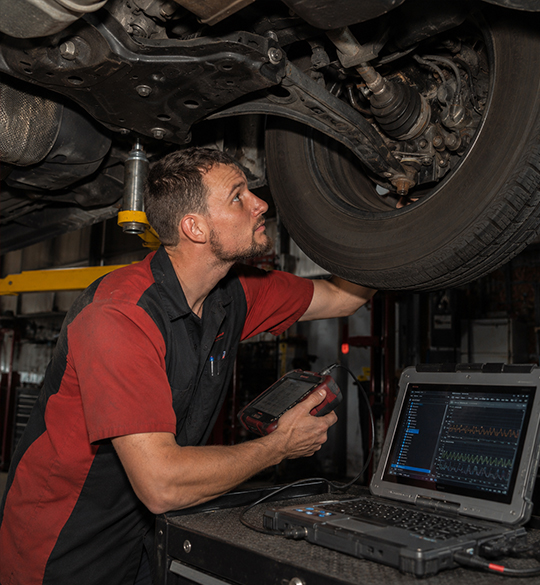
A professional engine diagnostics service helps reveal the source of mechanical or electronic issues before unnecessary repairs are performed. Instead of replacing parts based on assumptions, diagnostic testing evaluates operating data, fault codes, system communication, and component behavior to pinpoint the underlying cause. Drivers frequently seek assistance after noticing warning lights, reduced acceleration, rough idling, unusual sounds, increased fuel consumption, or starting difficulties. Data - driven analysis helps eliminate guesswork while supporting informed repair decisions.
A professional engine diagnostics service helps reveal the source of mechanical or electronic issues before unnecessary repairs are performed. Instead of replacing parts based on assumptions, diagnostic testing evaluates operating data, fault codes, system communication, and component behavior to pinpoint the underlying cause. Drivers frequently seek assistance after noticing warning lights, reduced acceleration, rough idling, unusual sounds, increased fuel consumption, or starting difficulties. Data - driven analysis helps eliminate guesswork while supporting informed repair decisions.
What Happens During an Engine Diagnostic Evaluation?
Diagnostic testing involves much more than reading dashboard warning codes. Modern vehicles generate large amounts of operating information that can reveal hidden conditions affecting performance and reliability.
A typical engine diagnostic evaluation may include
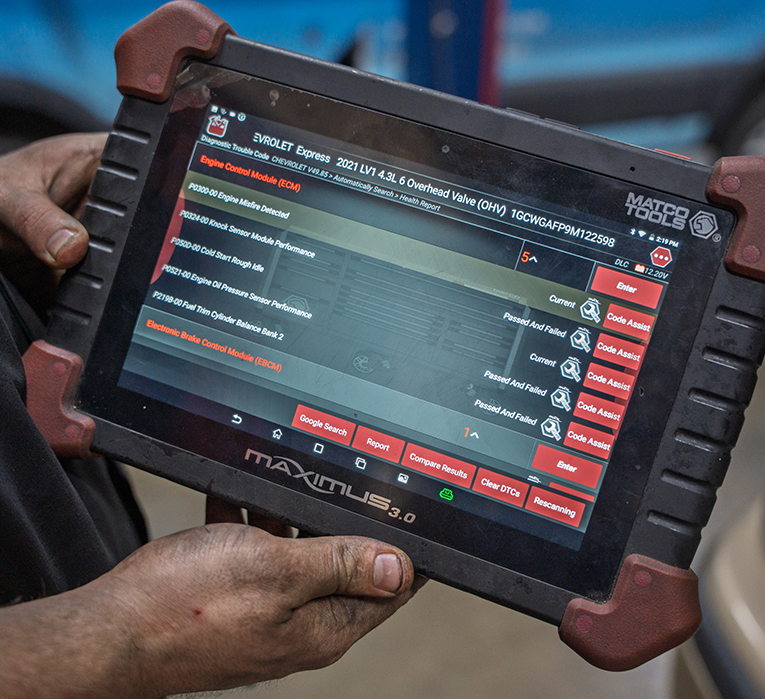
Computerized fault-code retrieval
Sensor data analysis
Electrical circuit testing
Fuel system assessment
Ignition system review
Airflow measurement verification
Control module communication checks
Road-performance evaluation
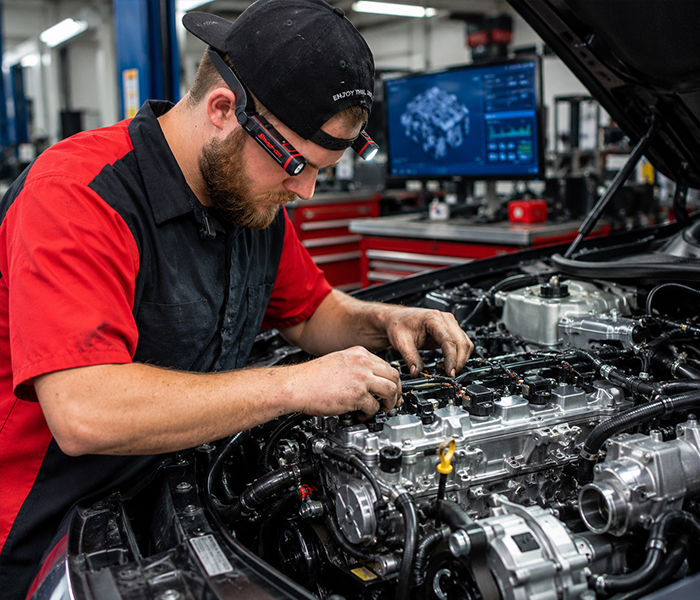
A comprehensive vehicle engine diagnostics process combines digital testing with physical inspection. This approach helps determine if a concern originates from electronic controls, mechanical wear, fuel delivery issues, ignition irregularities, or emissions-related systems. Accurate findings create a clear path toward corrective action while helping avoid unnecessary component replacement.
Why Engine Problems Develop Over Time
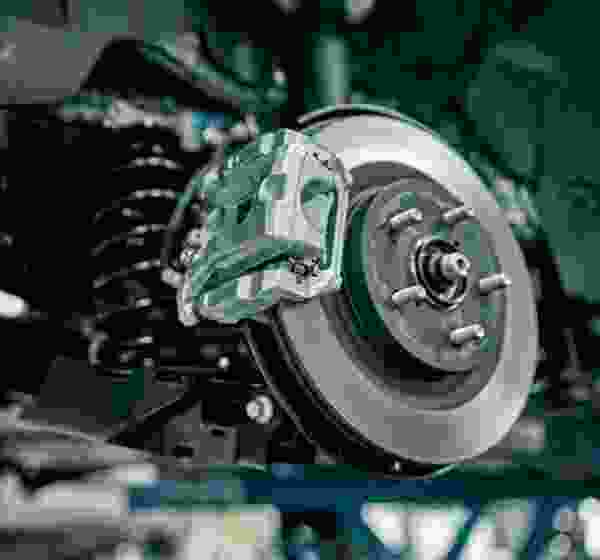
Braking systems convert motion into heat. Every stop generates friction, gradually wearing down friction materials and rotor surfaces. Driving habits, traffic patterns, terrain, towing demands, and vehicle weight all influence wear rates.
Several factors commonly contribute to accelerated deterioration:
Several factors commonly contribute to accelerated deterioration:
- Sensor malfunction
- Fuel delivery restrictions
- Ignition component wear
- Vacuum leaks
- Electrical connection issues
- Air intake contamination
Many symptoms associated with drivability faults can have multiple possible causes. A rough idle, loss of power, or warning light may originate from several different systems. This complexity makes professional engine troubleshooting an essential step before repair work begins.
Common warning signs include:
Common warning signs include:
- Check engine light activation
- Reduced acceleration
- Poor fuel economy
- Rough idling
- Hard starting
- Unexpected stalling
Identifying the root cause early often prevents additional strain on surrounding assemblies and reduces the likelihood of larger mechanical concerns.
How Diagnostic Testing Supports Accurate Repairs
Successful repairs begin with reliable information. Replacing parts without identifying the source of a problem can increase costs while failing to resolve the original concern.
Advanced diagnostic procedures help technicians
Verify fault conditions
Analyze system performance
Confirm component failures
Evaluate operating data
Measure electrical integrity
Validate repair strategies
When Diagnostic Testing Leads to Engine Repair Solutions
Not every diagnostic result requires major mechanical work. In many situations, irregularities can be corrected through adjustments, sensor replacement, ignition repairs, software updates, or maintenance-related services.
Possible outcomes may include
Sensor replacement
Fuel system correction
Ignition component servicing
Air intake repairs
Electrical system restoration
Control module updates
When more significant concerns are identified, a professional car engine repair plan can be developed based on verified findings rather than assumptions. This approach improves repair accuracy while helping vehicle owners understand the condition of critical engine systems. Many motorists exploring auto engine repair service options often begin with diagnostics because precise testing helps determine the scope of any necessary corrective work.
How Diagnostic Services Support Long-Term Reliability
Preventive diagnostics can help uncover developing issues before they create noticeable performance problems. Early detection often allows smaller concerns to be addressed before they affect reliability, efficiency, or operating costs.
Benefits may include:
Benefits may include:
- Improved system awareness
- Reduced repair uncertainty
- Better maintenance planning
- Earlier fault detection
- Enhanced operating efficiency
- Greater long-term dependability
Drivers researching engine diagnostics service providers often seek answers after warning lights, performance changes, or drivability concerns appear. Others schedule testing proactively to evaluate vehicle health before extended travel or major maintenance decisions. Consumers comparing providers may also search for auto engine diagnostics near me when looking for professional assistance with performance-related concerns. A properly performed engine repair assessment provides valuable insight into overall powertrain condition while supporting informed maintenance and service decisions throughout vehicle ownership.
Find the Cause Before Small Problems Become Major Repairs
Warning lights, rough operation, power loss, unusual sounds, and starting concerns rarely resolve on their own. Accurate diagnostic testing helps uncover the source of these issues before they lead to larger repair expenses.
Professional evaluation can reveal hidden faults, verify component performance, and establish a clear repair strategy based on factual data rather than guesswork.
Professional evaluation can reveal hidden faults, verify component performance, and establish a clear repair strategy based on factual data rather than guesswork.
FAQs
1
What is an engine diagnostics service, and why is it important?An engine diagnostics service uses specialized equipment to evaluate vehicle systems and identify the source of performance issues. It helps detect problems accurately, reduces unnecessary repairs, and supports informed maintenance decisions. Early diagnosis can also prevent minor concerns from becoming major mechanical failures.
2
How do I know if I need vehicle engine diagnostics?Common signs include a check engine light, rough idling, poor fuel economy, reduced power, hard starting, or unusual engine noises. Unexpected stalling and increased emissions may also indicate underlying issues. Diagnostic testing can identify the root cause before further damage occurs.
3
What happens during vehicle engine diagnostics?The process usually includes fault-code retrieval, sensor analysis, electrical testing, and performance evaluation. Technicians review live operating data and inspect related systems. The findings help determine the exact source of the problem and guide the appropriate repair strategy.
4
How long does an auto engine diagnostics test take?Most diagnostic evaluations take between 30 minutes and one hour. More complex issues involving intermittent faults or multiple system concerns may require additional testing time. The duration depends on the symptoms and the vehicle's condition.
5
Can engine diagnostics tell me exactly what is wrong with my car?Diagnostics often identify the system or component causing the problem, but additional inspection may sometimes be necessary. Fault codes provide valuable information, although they do not always indicate a specific failed part. Combining testing with physical inspection leads to the most accurate diagnosis.
6
What types of vehicles do you handle for engine repair?Engine diagnostics and repairs can be performed on many vehicle types, including passenger cars, SUVs, pickup trucks, vans, and light commercial vehicles. Service requirements vary according to manufacturer design and engine configuration. Professional testing procedures are adapted to each vehicle.
7
Why is engine diagnostics crucial for modern car repairs?Modern vehicles rely on sensors, control modules, and computerized systems that cannot be accurately diagnosed through visual inspection alone. Diagnostic testing helps locate faults quickly and improves repair accuracy. It also reduces guesswork and unnecessary component replacement.
8
How do I know if my engine repair was done correctly?A properly repaired vehicle should operate smoothly without warning lights, unusual noises, or performance concerns. Engine operation, acceleration, and fuel efficiency should return to normal. Follow-up testing may also confirm that the original fault has been corrected.
9
What causes engine misfires, and can they be repaired?Engine misfires can result from ignition problems, fuel delivery issues, sensor failures, vacuum leaks, or mechanical wear. Most causes can be repaired once the source is accurately identified. Prompt diagnosis helps prevent additional damage to related engine components.
10
Can engine diagnostics help prevent major engine failure?Yes. Diagnostic testing can uncover developing concerns before they create severe mechanical problems. Early detection often allows smaller issues to be corrected before they affect engine reliability or lead to expensive repairs. Routine diagnostics can play an important role in long-term vehicle health.