
Need Help

Lorem ipsum dolor sit amet, movet iisque luptatum per ut. Duo te sonet accusata sadipscing, mollis dissentiet an eam, te qui brute apis.




Contact Us
Follow Us
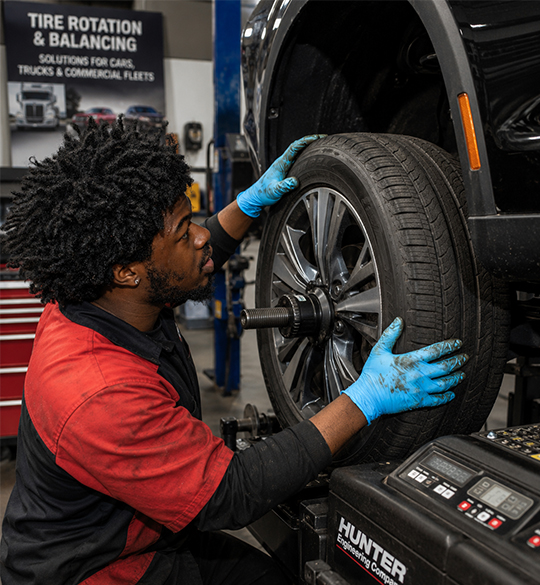
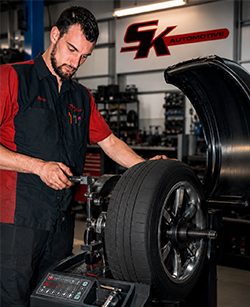
Tire Rotation & Balancing Solutions for Cars, Trucks & Commercial Fleets
Tire condition changes at different rates depending on drivetrain design, steering input, braking habits, load distribution, and driving conditions. Uneven tire surface deterioration can affect ride comfort, traction, stability, and overall driving quality. Regular rotation and balancing help distribute wear more evenly while maintaining smooth operation across all four corners of an automobile.
A scheduled Tire rotation service helps maximize tire lifespan by repositioning assemblies according to manufacturer recommendations. Balancing procedures address weight distribution issues that may contribute to vibration, steering disturbances, or premature tire surface deterioration. Together, these services play an important role in preserving vehicle reliability and improving long-term operating efficiency.
A scheduled Tire rotation service helps maximize tire lifespan by repositioning assemblies according to manufacturer recommendations. Balancing procedures address weight distribution issues that may contribute to vibration, steering disturbances, or premature tire surface deterioration. Together, these services play an important role in preserving vehicle reliability and improving long-term operating efficiency.
What Is Included in Tire Rotation & Balancing?
Rotation and balancing involve two separate maintenance procedures performed during the same appointment. Rotation changes the position of each assembly to encourage more uniform surface wear. Balancing corrects minor weight variations that can develop as tires accumulate mileage.
A typical appointment may include
Tread depth evaluation
Wear pattern assessment
Position changes based on drivetrain layout
Weight distribution correction
Inflation verification
Wheel inspection
Final operational review
Many motorists searching for a wheel balancing service want to eliminate vibration concerns while improving ride quality. Proper balancing allows assemblies to rotate smoothly at varying speeds, helping maintain comfort and control throughout daily travel.
Modern suspension and steering systems depend on consistent contact between tread surfaces and pavement. Routine maintenance helps preserve those relationships while reducing unnecessary stress on related components.
Modern suspension and steering systems depend on consistent contact between tread surfaces and pavement. Routine maintenance helps preserve those relationships while reducing unnecessary stress on related components.
Why Do Tires Wear Unevenly?
Tread deterioration rarely occurs at the same rate across every position. Front-mounted assemblies often experience additional stress from steering activity and braking forces. Rear positions may encounter different loading characteristics depending on vehicle design.
Factors influencing tire condition patterns include
Alignment conditions
Inflation irregularities
Driving habits
Suspension movement
Road surface variations
Weight distribution
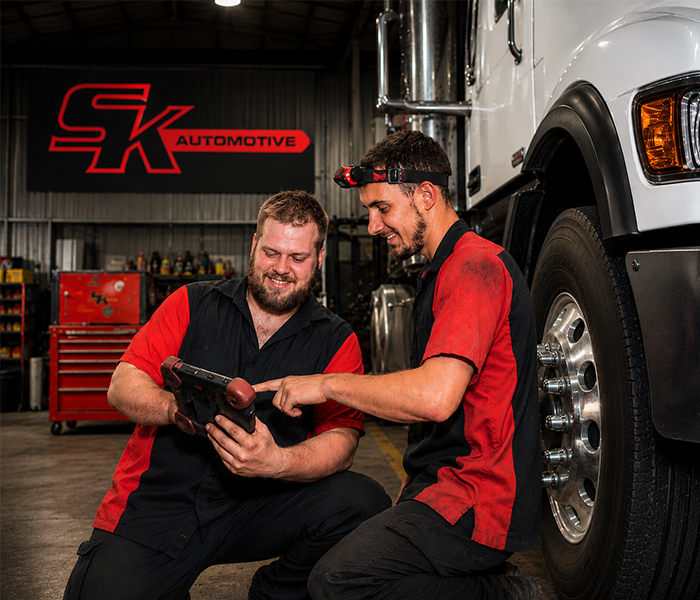
How Does Balancing Improve Driving Quality?
Balancing addresses small weight differences that develop throughout the lifespan of a tire and wheel assembly. Even slight imbalances can create noticeable vibration at highway speeds, affecting comfort and driver confidence.
Benefits associated with accurate balancing include:
Benefits associated with accurate balancing include:
- Reduced vibration
- Smoother travel experience
- Better steering feel
- Improved tread consistency
- Lower component strain
- Enhanced operating stability
Many consumers request wheel balancing after experiencing shaking through the steering wheel, seat, or floor area. These symptoms frequently become more noticeable as speed increases.
Precision equipment identifies imbalance points and determines corrective weight placement. Proper correction helps assemblies rotate evenly while minimizing unnecessary movement throughout the suspension system.
Precision equipment identifies imbalance points and determines corrective weight placement. Proper correction helps assemblies rotate evenly while minimizing unnecessary movement throughout the suspension system.
What Signs Indicate Rotation or Balancing May Be Needed?
Several warning signs can suggest maintenance is overdue. Some symptoms appear gradually, making periodic inspections an important part of routine vehicle care.
Common indicators include
Steering vibration
Increased road noise
Pulling during travel
Reduced ride comfort
Premature tread deterioration
Drivers may not immediately recognize the connection between these symptoms and tire maintenance requirements. Routine evaluations help identify developing concerns before they influence safety, comfort, or operating costs.
An inspection may also reveal concerns affecting wheel and tire balance, allowing corrective action before excessive deterioration develops across tread surfaces.
An inspection may also reveal concerns affecting wheel and tire balance, allowing corrective action before excessive deterioration develops across tread surfaces.
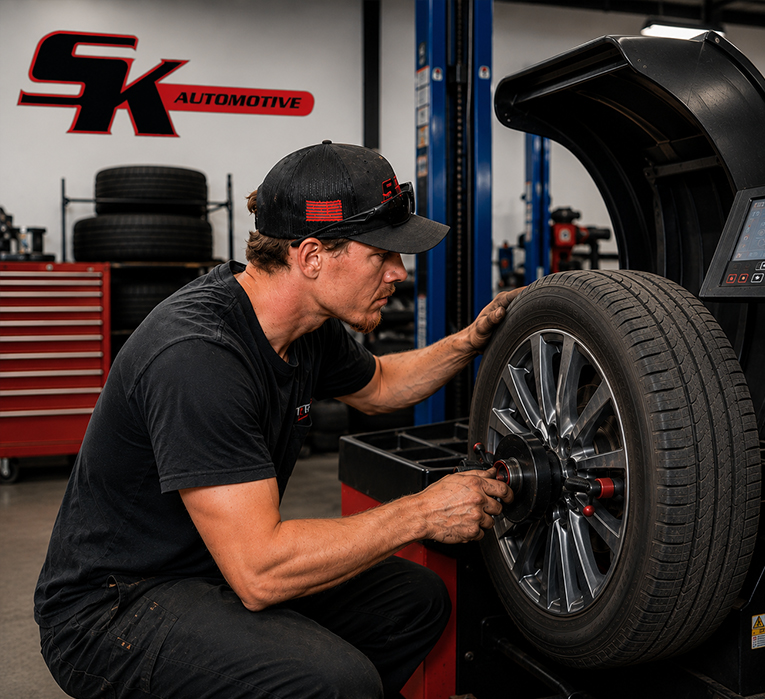
Which Vehicles Benefit From Tire Rotation & Balancing?
Passenger cars, pickup trucks, sport utility vehicles, cargo vans, and commercial fleet units all benefit from routine tire maintenance. Different drivetrain layouts create unique wear patterns that require specific rotation strategies.
Advantages include:
Advantages include:
- More even tread usage
- Extended service life
- Improved ride smoothness
- Better directional stability
- Reduced vibration concerns
- Greater driving confidence
Certain vehicle configurations require specialized procedures. A front wheel drive tyre rotation pattern differs from rotation sequences used on rear-wheel-drive or all-wheel-drive platforms. Following the correct pattern helps maximize effectiveness while supporting consistent degradation across all positions.
Organizations managing multiple transportation assets often incorporate rotation and balancing into preventive maintenance schedules to improve reliability and reduce avoidable replacement expenses.
Organizations managing multiple transportation assets often incorporate rotation and balancing into preventive maintenance schedules to improve reliability and reduce avoidable replacement expenses.
Maintain Even Tire Wear and Smooth Driving Performance
Uneven tire condition patterns and vibration concerns can gradually affect comfort, handling quality, and tire lifespan. Regular maintenance helps identify developing issues while promoting balanced operation throughout daily driving conditions.
Motorists seeking professional wheel balancing or a dependable Tire rotation service can benefit from scheduled maintenance designed to improve tire longevity, ride smoothness, and overall reliability.
Schedule a tire rotation and balancing appointment today to help maximize tire life and maintain a comfortable driving experience.
Motorists seeking professional wheel balancing or a dependable Tire rotation service can benefit from scheduled maintenance designed to improve tire longevity, ride smoothness, and overall reliability.
Schedule a tire rotation and balancing appointment today to help maximize tire life and maintain a comfortable driving experience.
FAQs
1
What is wheel balancing and why is it important? Wheel balancing corrects uneven weight distribution around the tire and wheel assembly. A professional wheel balancing service helps reduce vibrations, improves ride quality, and supports even tire wear.
2
How often should I get a wheel balancing service?Most vehicles benefit from a wheel balancing service every 5,000 to 7,500 miles or whenever new tires are installed. Balancing is also recommended if vibrations develop while driving.
3
What are the signs that my wheels need balancing? Common signs include steering wheel vibration, shaking at highway speeds, uneven tread wear, and reduced ride comfort. These symptoms often indicate that the wheels are no longer properly balanced.
4
What is the difference between wheel balancing and wheel alignment?Wheel balancing corrects weight distribution within the tire and wheel assembly, while wheel alignment adjusts suspension angles and wheel positioning. Both services help improve tire life and vehicle handling, but they address different issues.
5
Can unbalanced tyres damage my car?Yes. Unbalanced tires can create excessive vibration that places additional stress on suspension components, wheel bearings, and steering parts. Timely balancing helps prevent unnecessary wear and costly repairs.
6
What does it mean to achieve proper wheel and tire balance? Proper wheel and tire balance means the weight of the tire and wheel assembly is evenly distributed while rotating. This helps deliver a smoother ride and reduces uneven tread wear.
7
Does wheel and tire balance affect fuel efficiency? Yes. Incorrect wheel and tire balance can increase rolling resistance and cause tires to wear unevenly. Maintaining proper balance may help support efficient vehicle performance and maximize tire life.
8
What are the benefits of combining tire rotation service with wheel balancing?Combining a tyre rotation service with balancing promotes even tread wear, improves ride comfort, and extends tire lifespan. Performing both services together also helps identify developing tire concerns early.
9
Can skipping a wheel and tire balance void my tire warranty? Some tire manufacturers require regular maintenance, including balancing and rotations, to maintain warranty coverage. Ignoring recommended wheel and tire balance services may affect certain warranty claims.
10
What is front wheel drive tyre rotation, and why is it necessary?Front wheel drive vehicles place more stress on the front tires because they handle steering and power delivery. A regular tyre rotation service moves tires to different positions, helping them wear more evenly and last longer.