
Need Help

Lorem ipsum dolor sit amet, movet iisque luptatum per ut. Duo te sonet accusata sadipscing, mollis dissentiet an eam, te qui brute apis.

Contact Us
Follow Us
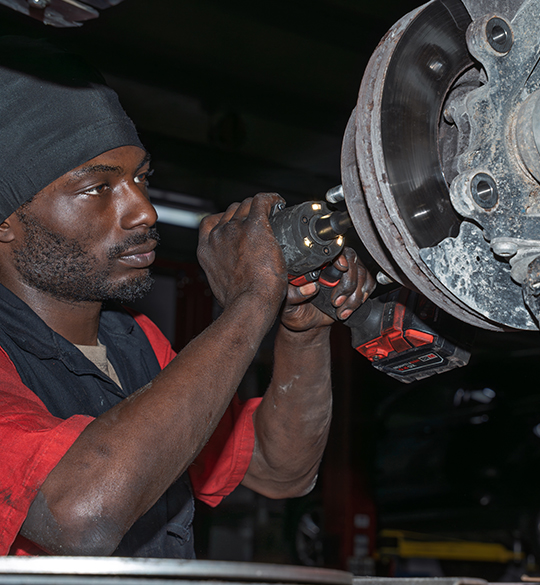
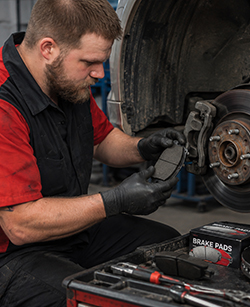
Brake Pad & Rotor Replacement service
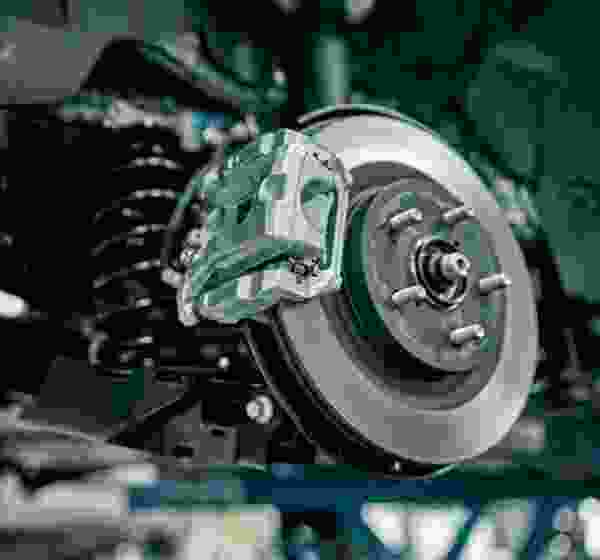
Every time a driver presses the brake pedal, friction is created between the pads and rotors to slow the vehicle safely. These components experience continuous wear through daily driving, traffic conditions, road environments, and mileage accumulation. As friction material becomes thinner and rotor surfaces wear down, braking effectiveness can gradually decline.
Professional brake pad replacement and rotor inspection help maintain dependable braking performance. Ignoring worn friction components can place additional strain on surrounding hardware and affect overall braking confidence. Drivers often seek professional attention after noticing unusual noises, reduced responsiveness, steering wheel vibration, or dashboard warnings. Addressing these concerns early helps maintain safety while preventing minor wear from developing into larger repair needs.
Professional brake pad replacement and rotor inspection help maintain dependable braking performance. Ignoring worn friction components can place additional strain on surrounding hardware and affect overall braking confidence. Drivers often seek professional attention after noticing unusual noises, reduced responsiveness, steering wheel vibration, or dashboard warnings. Addressing these concerns early helps maintain safety while preventing minor wear from developing into larger repair needs.
What Is Included During Brake Pad and Rotor Replacement?
A complete braking system service involves more than replacing worn parts. Multiple components work together during every stop, making a thorough inspection an important part of the process.
A typical appointment may include
Friction material inspection
Rotor surface evaluation
Caliper operation assessment
Brake hardware examination
Hydraulic system review
Wear pattern analysis
Component thickness measurement
Road test verification
A professional brake pads and rotors replacement service addresses worn surfaces that can affect braking consistency and overall vehicle control. During installation, technicians evaluate component condition, verify proper operation, and ensure all related parts function correctly. This comprehensive approach helps restore predictable braking characteristics while supporting long-term reliability.
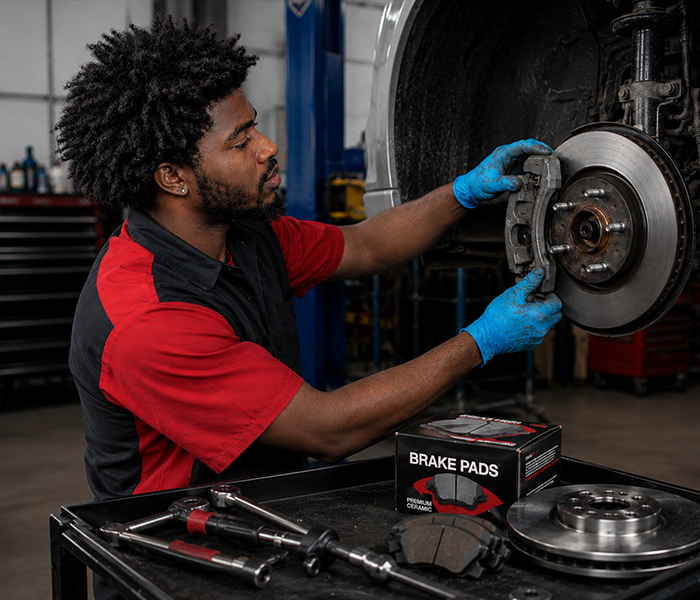
Why Brake Pads and Rotors Wear Out
Braking systems convert motion into heat. Every stop generates friction, gradually wearing down friction materials and rotor surfaces. Driving habits, traffic patterns, terrain, towing demands, and vehicle weight all influence wear rates.
Several factors commonly contribute to accelerated deterioration:
Several factors commonly contribute to accelerated deterioration:
- Frequent stop-and-go driving
- Heavy cargo transportation
- Mountainous terrain
- Aggressive braking habits
- Extended mileage intervals
- Excessive heat generation
As deterioration continues, braking efficiency may decline. Drivers frequently notice symptoms before complete component failure occurs.
Common warning signs include:
Common warning signs include:
- Squealing noises
- Grinding sounds
- Steering wheel vibration
- Pedal pulsation during deceleration
- Increased braking distances
- Uneven braking response
Timely attention helps maintain safety while preventing additional damage to surrounding components.
How New Components Improve Vehicle Control
Fresh braking surfaces contribute directly to predictable deceleration performance. When friction material reaches minimum thickness or rotor surfaces become excessively worn, braking consistency can suffer. A professional car brake replacement service helps restore proper contact between braking surfaces, improving responsiveness during normal driving and emergency situations.
Benefits may include
Smoother pedal response
Improved braking consistency
Reduced vibration
Better pedal feel
Enhanced vehicle control
Greater driving confidence
Understanding Front and Rear Brake Wear Patterns
Not all friction components wear at the same rate. Weight transfer during deceleration places different demands on front and rear assemblies, causing wear patterns to vary throughout the system. A front brake pad replacement is commonly recommended because front assemblies typically handle a larger percentage of braking force during speed reduction. Rear components also require routine inspection. A rear brake pad replacement may become necessary when friction material approaches minimum thickness or wear indicators begin showing signs of deterioration.
Inspection findings often evaluate
Remaining friction material
Rotor thickness
Heat damage
Surface condition
Hardware operation
Overall wear distribution
Understanding wear patterns helps technicians recommend appropriate service intervals while maintaining balanced deceleration characteristics throughout the vehicle.
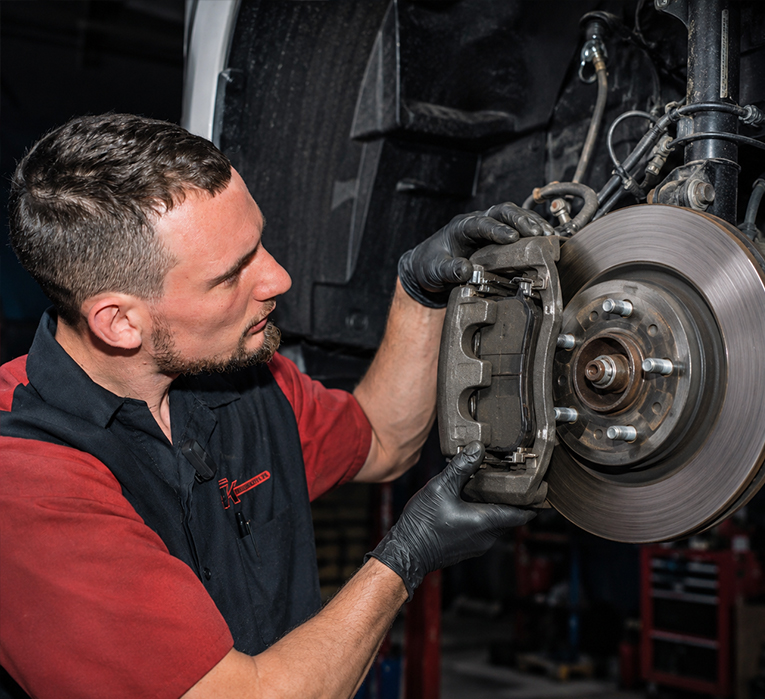
Factors That Influence Brake Service Decisions
Every vehicle operates under different conditions. Driving style, annual mileage, traffic density, towing demands, and road environments all influence maintenance requirements.
Motorists researching brake rotor replacement options frequently want to understand when replacement becomes necessary rather than continuing to drive with worn braking surfaces.
Several considerations may influence service recommendations:
Motorists researching brake rotor replacement options frequently want to understand when replacement becomes necessary rather than continuing to drive with worn braking surfaces.
Several considerations may influence service recommendations:
- Rotor thickness measurements
- Surface scoring severity
- Heat-related damage
- Vibration concerns
- Friction material condition
- Manufacturer specifications
Many vehicle owners also compare brake job cost estimates when planning maintenance budgets. While pricing varies according to vehicle type and component requirements, timely service often helps avoid more extensive repairs later. A properly completed brake pad replacement appointment helps maintain braking effectiveness while supporting long-term safety, predictable vehicle control, and overall reliability.
Keep Your Braking System Ready for Every Mile
Braking concerns rarely improve without attention. Unusual sounds, vibration, reduced responsiveness, or visible wear indicators often signal the need for inspection.
Professional evaluation helps identify wear levels, determine overall system condition, and recommend appropriate corrective action before performance declines further. Timely service can improve braking response, reduce vibration, and help maintain confidence during daily driving, highway travel, and emergency stopping situations.
Professional evaluation helps identify wear levels, determine overall system condition, and recommend appropriate corrective action before performance declines further. Timely service can improve braking response, reduce vibration, and help maintain confidence during daily driving, highway travel, and emergency stopping situations.
FAQs
1
What are the signs that I need brake pad replacement?Common signs include squealing noises, grinding sounds, longer stopping distances, vibration during braking, or a brake warning light. Visibly thin pads and reduced stopping performance also indicate that an inspection is needed.
2
When should I replace my brake pads?Brake pads should be replaced when the friction material becomes too thin or braking performance starts to decline. Regular inspections help identify wear before it affects safety or damages other components.
3
How long will my brake pads last?Most brake pads last between 30,000 and 70,000 miles. Lifespan depends on driving habits, traffic conditions, vehicle weight, and the type of brake pad material installed.
4
What is included in a comprehensive car brake replacement service?A complete brake service may include replacing brake pads, inspecting or replacing rotors, checking calipers, evaluating brake fluid, and testing overall system performance to restore safe braking.
5
What happens if I ignore the need for a brake pad replacement?Ignoring worn brake pads can lead to rotor damage, longer stopping distances, overheating, and higher repair costs. Early replacement helps prevent more extensive brake system repairs.
6
Why is my car shaking when I brake?Brake vibration is often caused by uneven rotor wear, heat damage, sticking calipers, or worn suspension parts. A professional inspection can identify the exact cause and recommend repairs.
7
What is the difference between a rear brake pad replacement and a front one?Front brake pads usually wear faster because they handle most of the braking force. Rear pads often last longer and help maintain braking balance and vehicle stability.
8
Why are my brakes making a grinding noise?Grinding noises usually mean the brake pads are severely worn or there is metal-to-metal contact. Driving with grinding brakes can damage rotors and lead to more expensive repairs.
9
What happens if I delay brake rotor replacement?Delaying rotor replacement can cause increased vibration, reduced braking performance, accelerated pad wear, and damage to related components. Timely service helps maintain consistent stopping power.
10
Why do mechanics highly recommend a complete brake pads and rotors replacement together?Brake pads and rotors work together during every stop. Replacing both at the same time improves braking consistency, reduces vibration, promotes even wear, and often provides longer-lasting repair results.