
Need Help

Lorem ipsum dolor sit amet, movet iisque luptatum per ut. Duo te sonet accusata sadipscing, mollis dissentiet an eam, te qui brute apis.







Contact Us
Follow Us

Restoring Performance Through Precision Engine Adjustments
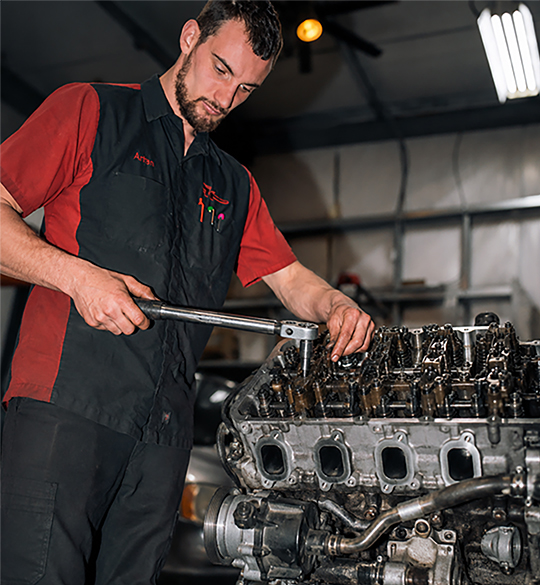
Modern engines rely on a carefully balanced combination of fuel delivery, ignition timing, air intake, sensors, and electronic controls. As mileage increases, small changes within these systems can affect acceleration, efficiency, responsiveness, and overall drivability. An engine tune-up addresses these concerns by evaluating key operating systems and correcting conditions that may limit performance.
Many drivers associate tune-ups with older vehicles, yet modern automobiles still benefit from periodic inspections and adjustments. Spark plugs wear down, filters collect debris, sensors lose accuracy, and airflow restrictions can develop gradually. Addressing these issues early helps maintain smooth operation while supporting long-term dependability. An effective tune-up is not simply about replacing parts. It is a process designed to identify inefficiencies, restore balanced combustion, and improve overall driving characteristics before larger mechanical concerns emerge.
Many drivers associate tune-ups with older vehicles, yet modern automobiles still benefit from periodic inspections and adjustments. Spark plugs wear down, filters collect debris, sensors lose accuracy, and airflow restrictions can develop gradually. Addressing these issues early helps maintain smooth operation while supporting long-term dependability. An effective tune-up is not simply about replacing parts. It is a process designed to identify inefficiencies, restore balanced combustion, and improve overall driving characteristics before larger mechanical concerns emerge.
What Is Included During an Engine Tune-Up?
An engine tune-up involves a detailed evaluation of components that influence combustion, ignition, fuel delivery, and air management. The exact procedure varies according to vehicle design, mileage, and manufacturer recommendations.
A typical appointment may include
Spark plug inspection
Ignition system evaluation
Air filter assessment
Fuel system review
Sensor performance checks
Battery condition testing
Diagnostic scanning
Air intake examination
The purpose of these inspections is to identify wear, contamination, or performance limitations affecting overall operation. Many owners combine tune-ups with scheduled vehicle maintenance services to create a broader preventive care strategy.

Why Engine Performance Changes Over Time
Internal combustion relies on a precise balance of air, fuel, spark, and compression. Even a small imbalance in one area can affect fuel economy, acceleration, emissions output, and starting performance.
Common factors affecting performance include:
Common factors affecting performance include:
- Worn ignition components
- Restricted airflow
- Fuel injector deposits
- Sensor inaccuracies
- Carbon accumulation
- Aging electrical connections
Many of these conditions develop slowly, allowing performance losses to occur long before a warning light appears.
Symptoms frequently associated with tune-up needs include:
Symptoms frequently associated with tune-up needs include:
- Slower acceleration
- Rough idling
- Reduced fuel economy
- Hard starting
- Increased emissions
- Hesitation during throttle input
A professional tune-up identifies these concerns and restores proper operating characteristics before performance declines further.
How Tune-Ups Support Long-Term Reliability
Many major repairs begin as small issues that go unnoticed. A misfiring spark plug, restricted air filter, or faulty sensor may seem insignificant initially, yet prolonged operation under these conditions can place additional strain on surrounding systems. Regular inspections help identify concerns before they affect surrounding systems or reduce overall efficiency.
Long-term advantages may include
Improved combustion efficiency
Reduced engine strain
Better fuel utilization
Smoother operation
Lower emissions output
Increased component lifespan
Commercial Vehicle Performance and Fleet Operations
Business transportation faces unique operating demands. Delivery routes, contractor travel, service calls, and commercial transportation often generate higher mileage than personal use. A structured fleet vehicle maintenance strategy helps identify performance issues before they affect scheduling, productivity, or customer commitments.
Organizations searching for dependable enterprise fleet maintenance providers frequently prioritize proactive inspections because vehicle availability directly influences operational efficiency.
Organizations searching for dependable enterprise fleet maintenance providers frequently prioritize proactive inspections because vehicle availability directly influences operational efficiency.
Benefits of scheduled tune-up programs include
Improved fleet readiness
Better fuel management
Reduced operating interruptions
More predictable maintenance planning
Stronger asset utilization
Extended service life
Many organizations incorporate tune-ups into broader vehicle maintenance schedules to improve fuel usage trends and support long-term asset planning.
Choosing the Right Maintenance Strategy for Ongoing Performance
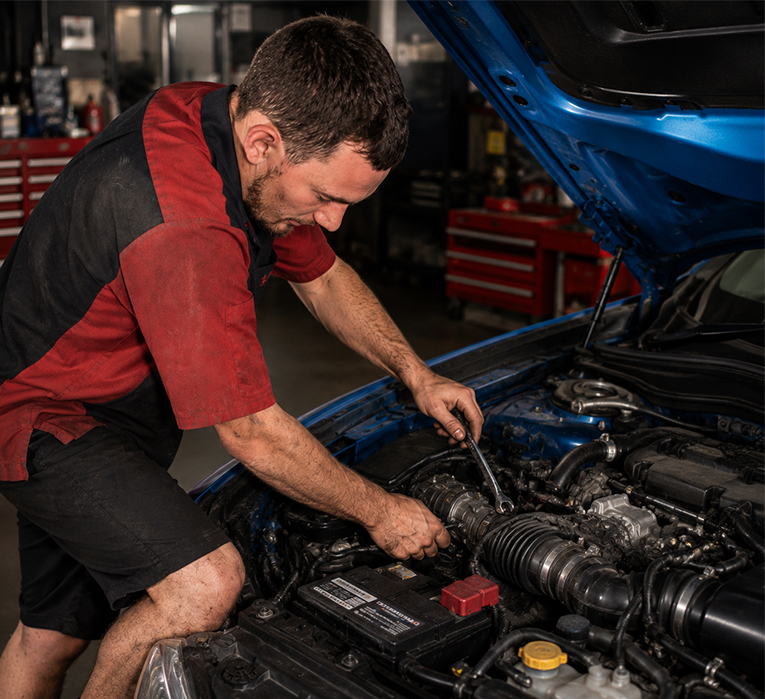
Every vehicle operates under different conditions. Driving habits, annual mileage, climate exposure, and usage patterns all influence maintenance requirements. Drivers seeking trusted car maintenance service solutions often benefit from combining tune-ups with broader inspection programs. Structured car maintenance packages simplify scheduling while helping owners stay current with recommended intervals.
Many consumers searching online for car maintenance near me are looking for more than basic repairs. Others compare providers using searches such as car service near me or auto maintenance near me when evaluating long-term care options.
Additional services often scheduled alongside tune-ups include:
Many consumers searching online for car maintenance near me are looking for more than basic repairs. Others compare providers using searches such as car service near me or auto maintenance near me when evaluating long-term care options.
Additional services often scheduled alongside tune-ups include:
- Accumsan mass
- Filter replacement
- Battery testing
- Fuel system cleaning
- Belt inspections
- Diagnostic evaluations
Some operators also explore mobile car maintenance options when convenience and scheduling flexibility are important considerations. Drivers looking for dependable auto maintenance solutions frequently discover that regular tune-ups contribute to stronger performance and lower ownership costs throughout the lifespan of an automobile. Many maintenance schedules combine tune-ups with an ongoing auto maintenance service plan to support consistent operation and long-term dependability.
Keep Your Engine Operating at Its Best
Minor ignition, airflow, or fuel-delivery issues often develop gradually and become more noticeable over time. Addressing these concerns can improve efficiency, restore responsiveness, and help prevent larger mechanical problems.
An engine tune-up remains an important part of modern vehicle care and works alongside routine vehicle maintenance to support dependable operations throughout every stage of ownership.
An engine tune-up remains an important part of modern vehicle care and works alongside routine vehicle maintenance to support dependable operations throughout every stage of ownership.
FAQs
1
What is a tune up car service and what does it include?A tune-up is preventive maintenance that helps keep the engine running efficiently. It may include spark plug replacement, filter inspections, diagnostic scans, battery checks, and ignition system testing. Services vary by vehicle and mileage.
2
What are the signs that my vehicle needs a tune up service?Common signs include rough idling, hard starting, poor fuel economy, engine hesitation, reduced acceleration, and warning lights. A tune-up can help restore engine performance and efficiency.
3
How long does an engine tune up service take?Most basic tune-ups take about one to two hours. More extensive services involving diagnostics or multiple component replacements may require additional time.
4
How often should I get engine tune-up services?Tune-up intervals vary by manufacturer and vehicle design. Many vehicles benefit from inspections every 30,000 to 100,000 miles or whenever performance issues develop.
5
What are tune-up services and how do they benefit my car?Tune-up services maintain components related to ignition and combustion. They can improve fuel economy, enhance performance, reduce emissions, and lower the risk of unexpected breakdowns.
6
What's the difference between a basic and comprehensive tune-up?A basic tune-up usually includes spark plugs and filter inspections. A comprehensive tune-up may also involve diagnostics, fuel system cleaning, sensor testing, and a complete engine performance evaluation.
7
Can tune-up services improve my car's fuel economy?Yes. Replacing worn components and correcting engine performance issues can improve combustion efficiency and help the engine use fuel more effectively.
8
What does spark plug replacement involve and why is it important?Spark plug replacement includes removing worn plugs, inspecting ignition components, and installing new plugs. Fresh spark plugs improve starting, performance, and fuel efficiency.
9
How do I choose the best auto tune up service in my area?Look for experienced technicians, quality replacement parts, advanced diagnostics, and clear maintenance recommendations. A good service should address actual vehicle needs rather than replace parts unnecessarily.
10
Are tune ups really necessary?Yes. Modern vehicles need tune-ups less frequently than older models, but regular maintenance still helps maintain reliability, improve efficiency, and detect developing problems before they become costly repairs.